Struggling to get faster on your home treadmill? The secret isn’t just running harder; it’s tracking specific data that reveals performance patterns most runners completely miss, including one technique that can more than double your calorie burn.
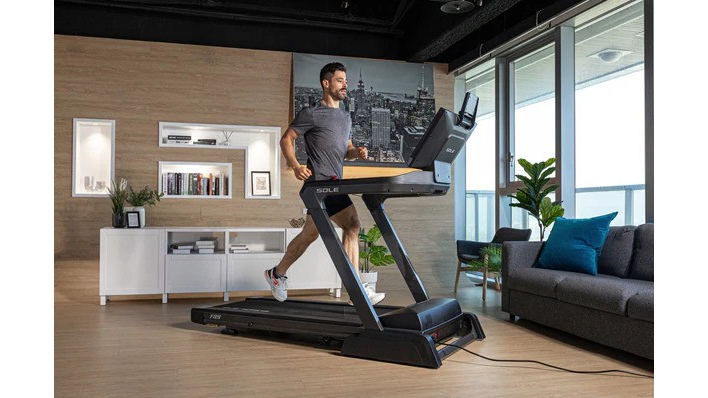
Speed improvement on treadmills isn't just about running faster; it's about creating a systematic approach that turns home workouts into measurable progress. The difference between runners who see consistent improvement and those who plateau often comes down to one crucial factor: tracking their training data.
Treadmill running offers unmatched training control that outdoor running just can't match. Unlike road running, where weather, terrain, and traffic create variables that affect performance measurements, treadmills provide a consistent surface that delivers accurate data every single session. This controlled environment eliminates external factors, giving runners a truer picture of their actual fitness progress.
The precision of treadmill controls allows runners to increase intensity with the push of a button, making it easier to implement structured speed work without hunting for hills or measuring distances manually. Modern treadmills from companies like SOLE Fitness feature advanced monitoring systems that track everything from pace and distance to heart rate, providing detailed data for serious training analysis.
This controlled training environment also proves kinder to joints and tendons compared to high-impact road running, especially during cold weather when muscle strains are more likely. The consistent surface reduces injury risk while enabling runners to focus entirely on speed development - rather than navigating obstacles.
Workout tracking turns abstract fitness goals into concrete, measurable targets that drive consistent action. When runners log their speed, distance, and time for each session, they create an accountability system that motivates them to show up regularly and push harder during workouts. Setting specific goals for each treadmill run provides meaning and purpose that keeps motivation high, even during challenging training phases.
Many runners find that simply knowing their workout data will be recorded pushes them to maintain higher effort levels throughout their sessions. This psychological boost translates into faster improvements as consistency becomes the foundation for long-term speed development.
Detailed workout logs provide a clear picture of fitness progression that would otherwise remain invisible. Tracking reveals patterns in performance, showing which training approaches produce the best results and identifying optimal workout timing based on energy levels and recovery needs. Runners can spot trends in their data, such as gradual pace improvements or increased endurance capacity over weeks and months.
This data analysis capability goes way beyond basic metrics. Tracking heart rate patterns, recovery times between intervals, and perceived effort levels creates a detailed fitness profile that guides future training decisions. Many treadmills now include built-in features like step counters and heart rate monitors that automatically capture this valuable performance data.
Progress plateaus become immediately apparent when workout data is consistently tracked, allowing runners to make targeted adjustments before stagnation sets in. The detailed records show exactly when and where changes need to be made, whether that's increasing intensity, adjusting recovery periods, or modifying training frequency.
This precision eliminates guesswork from training modifications. Instead of making random changes hoping for better results, tracked data points to specific areas needing attention. Runners can experiment with different approaches and measure their effectiveness objectively, creating a systematic path to breakthrough plateaus.
Safe speed development follows a structured progression that prevents injury while maximizing improvements. Beginning runners should focus on building aerobic base by maintaining walking speeds between 2-4 MPH or jogging around 3.7 MPH, gradually increasing pace by one-tenth of a mile per week. This conservative approach allows cardiovascular and musculoskeletal systems to adapt properly without overwhelming the body.
Advanced runners operating in the 5-12 MPH range can implement more aggressive progressions, but the same principle of gradual increases applies. The key lies in consistent, small improvements rather than dramatic speed jumps that often lead to burnout or injury. Tracking these incremental changes shows how those seemingly minor pace increases can compound into significant speed gains over time.
Interval workouts represent the most effective method for developing specific race paces and improving overall speed. These structured sessions alternate between high-intensity efforts at target speeds and recovery periods at easier paces, training the body to sustain faster speeds for longer durations. The controlled nature of treadmill training makes it ideal for dialing in precise paces that would be difficult to maintain consistently outdoors.
Beyond the physiological benefits, interval training makes time pass more quickly during treadmill sessions, addressing the mental challenge many runners face with indoor training. The varied pace structure keeps workouts engaging while systematically building speed and endurance capacity.
Incline training delivers dramatic increases in workout intensity and calorie expenditure without requiring faster running speeds. Even a modest 5% incline can significantly boost calorie burn and cardiovascular effort compared to flat running, while a 10% grade can more than double energy expenditure in some cases. This intensity multiplication allows runners to achieve greater training stimulus in shorter time periods.
Speed improvement on treadmills requires the right combination of systematic tracking, progressive training, and quality equipment that supports long-term development. The data-driven approach turns random workouts into purposeful training sessions that build upon each other, creating momentum toward speed goals that might have seemed impossible just months earlier.
Success comes from consistency in both training execution and data collection. Runners who commit to tracking their workouts and following structured progression plans see measurable improvements that keep motivation high throughout their fitness journey. The controlled environment of home treadmill training removes those barriers that often derail outdoor running routines, making it easier to maintain the consistency that drives real progress.


