Most homeowners think walls of flames destroy houses during wildfires—but research shows they’re wrong. It’s actually tiny burning embers traveling over a mile ahead that ignite most homes. Understanding this changes everything about how you should protect your property.
The difference between homes that survive wildfires and those that don't often comes down to preparation work done months before flames ever arrive. This guide walks through the essential steps to create defensible space, harden your home's structure, and maintain fire readiness throughout the year.
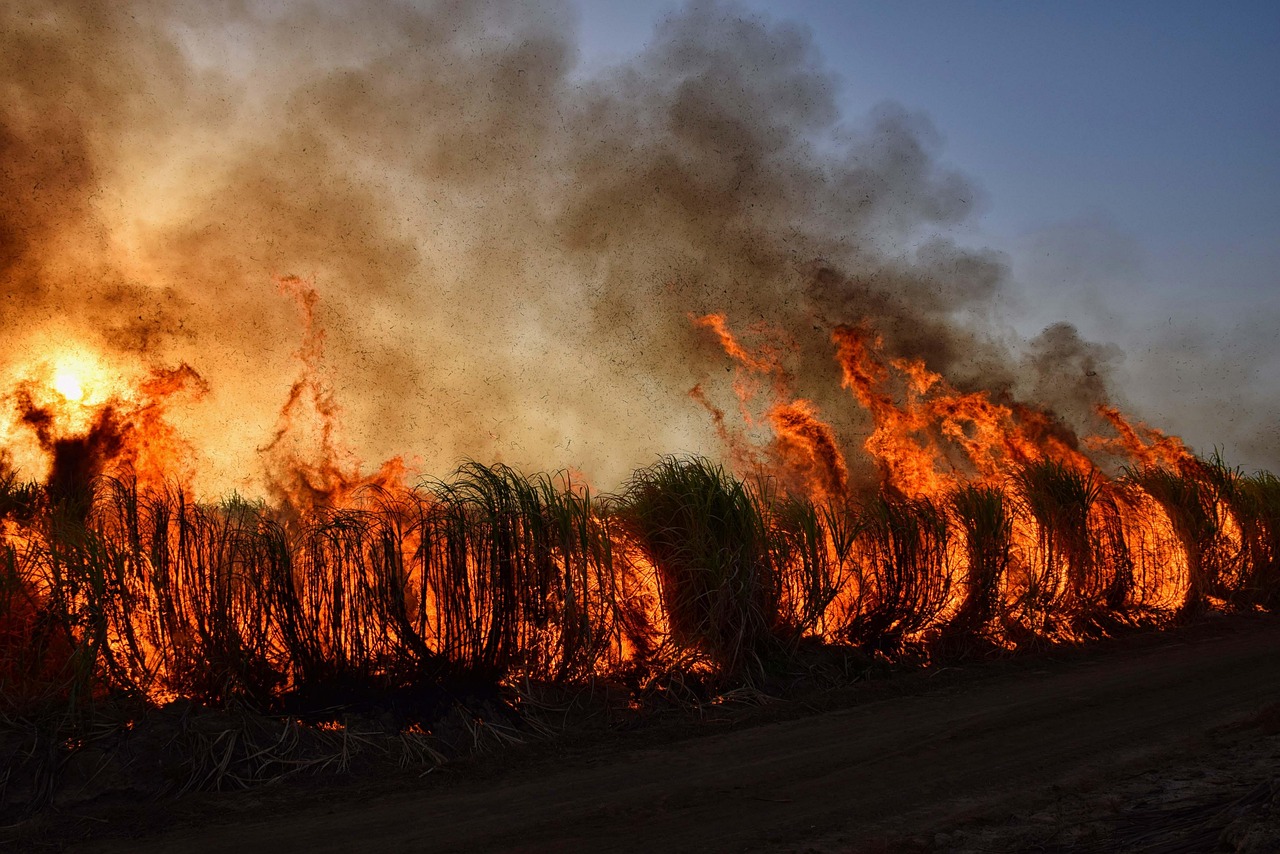
Most homeowners picture a wildfire as a wall of flames consuming everything in its path. The reality is far different and more manageable. Research from major wildfires, including the devastating Fort McMurray fire in 2016, shows that embers cause most home losses - not direct flame contact.
Burning embers can travel more than a mile ahead of the main fire, landing on roofs, in gutters, and through any opening where combustible material has accumulated. These glowing fragments are small enough to slip through standard vents and gaps, but hot enough to ignite pine needles, leaves, and other debris that homeowners often overlook.
Understanding ember behavior changes how smart homeowners approach wildfire preparation. Instead of trying to stop an unstoppable force, the focus shifts to eliminating ember landing spots and entry points around the home. This targeted approach is both more effective and more achievable for most property owners.
Defensible space works by changing how fire behaves when it reaches your property. Well-designed zones slow fire spread, reduce intensity, and give firefighters safe areas to work. Homes with effective defensible space have a significantly higher chance of surviving a wildfire.
The three-zone system provides a clear framework for prioritizing work based on proximity to structures and available resources. Each zone has specific objectives and treatment requirements that build on each other to create protection.
This immediate area around your home represents the highest-priority space where ember ignition risk is greatest. The goal here is to create a completely noncombustible buffer that eliminates any fuel pathway to your structure.
Remove all dead vegetation, dry leaves, and pine needles from this zone, including material on roofs, in gutters, and under decks. Replace wood mulch with gravel or stone. Keep any plants in this zone well-watered and pruned low to the ground. Store firewood piles and propane tanks at least 30 feet from buildings, and keep the 0-5 foot zone free of all combustible materials, including lawn furniture.
Zone 1 focuses on fuel modification rather than complete removal. Vegetation can remain, but it must be strategically spaced and maintained to prevent fire from building intensity as it approaches your home.
Space trees adequately to prevent fire spread, with 10 feet being a common recommendation, and prune branches to at least 6-10 feet above ground level or one-third of the tree's height. This eliminates "ladder fuels" that allow ground fires to climb into tree canopies. Keep grasses mowed to 4 inches or shorter. Remove dead material regularly, especially during fire season when summer heat kills vegetation quickly.
The outer zone emphasizes landscape-scale thinning to reduce overall fuel density before fire reaches the inner zones. Treatment here often requires mechanical equipment or professional crews, especially on larger properties.
Thin trees to create adequate spacing between crowns, with 10 feet being a general guideline. Consult local recommendations for specific spacing requirements based on terrain and vegetation type. Remove dead trees, fallen logs, and brush piles. Create breaks in continuous vegetation that could carry fire across the landscape. On slopes, extend this zone further uphill since fire moves faster on inclined terrain.
While defensible space reduces fuel around your home, home hardening reduces the vulnerability of the structure itself. These complementary approaches work together to create wildfire protection that addresses both ember ignition and radiant heat exposure.
Effective home hardening focuses on the most common ignition points identified through post-fire research. Rather than expensive whole-house renovations, strategic upgrades to key vulnerable areas provide the greatest protection per dollar invested.
Roofing represents the largest surface area exposed to ember attack. Class A fire-rated materials like asphalt shingles, metal, or tile offer the best protection against ignition. Wood shake roofing creates the greatest vulnerability any home can have during a wildfire.
For existing roofs, maintaining a debris-free surface proves just as critical as the roofing material itself. Clean gutters frequently, particularly during fire season and after high winds, to ensure they remain free of debris. Install gutter guards designed specifically for fire-prone areas to reduce maintenance while improving protection.
Standard attic vents, soffit vents, and foundation vents provide direct entry points for burning embers into the most vulnerable areas of homes. Upgrading to ember-resistant vents represents one of the most cost-effective home hardening investments available.
Replace standard mesh with 1/8-inch or finer noncombustible metal screening on all exterior vents. Better options include ember-resistant vents that meet ASTM E2886 testing standards, which actively prevent ember intrusion while maintaining necessary airflow for building systems.
Fiber cement, stucco, brick, and metal siding provide significantly better protection than wood or vinyl against both ember attack and radiant heat exposure. When full replacement isn't feasible, prioritize the lower 6 inches where siding meets the foundation, as embers and debris accumulate in these areas.
Dual-pane tempered glass windows resist breakage from radiant heat far better than single-pane alternatives. At a minimum, ensure window screens remain in good condition to provide basic ember defense for existing windows.
Defensible space and home hardening require ongoing maintenance that follows natural seasonal patterns. Rather than overwhelming property owners with year-round tasks, this calendar approach breaks work into manageable seasonal priorities that align with weather conditions and fire risk cycles.
Effective maintenance prevents small issues from becoming major vulnerabilities while spreading the workload across the entire year. This systematic approach ensures homes remain protected without requiring constant attention during busy fire season months.
Spring provides the critical preparation window when ground conditions allow heavy work but vegetation hasn't dried to dangerous levels. This season sets the foundation for fire readiness throughout the year.
Conduct property assessments to identify new dead trees, storm damage, and areas where vegetation needs thinning. Clear accumulated debris from Zone 1, including material that collected in gutters and under decks during winter storms. Schedule professional tree removal or mechanical thinning work before companies book up for the season.
Prune trees and shrubs while they're still dormant, removing dead branches and reducing ladder fuels. Mow the grass before they cure and becomes a fire hazard. Test irrigation systems and fire suppression equipment to ensure everything functions when needed.
Fire season shifts focus from preparation to active maintenance and risk awareness. Work becomes more limited due to fire restrictions and dangerous conditions, emphasizing activities that can be done safely.
Maintain short grass heights throughout Zone 1, mowing to 4 inches or less. Remove dead vegetation as summer heat kills plants quickly. Monitor local fire restrictions and emergency alert systems. Avoid spark-producing activities like welding or using power equipment during high-risk periods.
Keep irrigation systems running to maintain green zones around structures. Store combustible materials properly, ensuring firewood and propane tanks remain at least 30 feet from buildings.
Fall provides a post-season recovery window for addressing issues that developed during fire season and preparing for winter. This timing often offers better contractor availability and cooler working conditions for major projects.
Conduct property walkthroughs to assess summer damage and plan next year's work. Clean gutters and roofs before winter precipitation begins. Schedule large-scale treatments like mechanical thinning when equipment access is easier, and fire risk is minimal.
Most defensible space tasks around the immediate home area fall within typical homeowner capabilities - mowing, raking, gutter cleaning, and basic pruning require no specialized skills or equipment. However, the scope and complexity of work increase significantly in outer zones.
Professional help becomes necessary for large tree removal, work on steep slopes requiring specialized equipment, and properties with acres of treatment area rather than just yard space. Chainsaw work on standing timber presents significant safety risks that require proper training and experience.
Consider professionals when applying for grant funding, as many programs require written scopes of work and treatment documentation. Formal assessments with professional documentation also provide valuable insurance benefits and help prioritize limited budgets for maximum protection.
The most effective approach combines both: homeowners handle routine maintenance and immediate zone work while bringing in specialists for technical, dangerous, or large-scale projects that exceed DIY capabilities.
Wildfire preparedness only works when it moves from intention to action. Professional assessments tend to surface vulnerabilities that homeowner walkthroughs miss, and they come with prioritized action plans that make large-scale projects feel more manageable.
Starting with Zone 1 work around the home is the most practical first step—clearing combustible materials within 5 feet of structures, cleaning gutters, and relocating firewood piles. From there, a professional assessment can help prioritize larger projects and identify vulnerabilities that are easy to overlook on your own.


