That rustling sound at 2 AM isn’t your imagination—in North Carolina’s warm, humid climate, cockroaches thrive. Here’s what local experts say actually works to get rid of them fast (without risking your family’s safety).
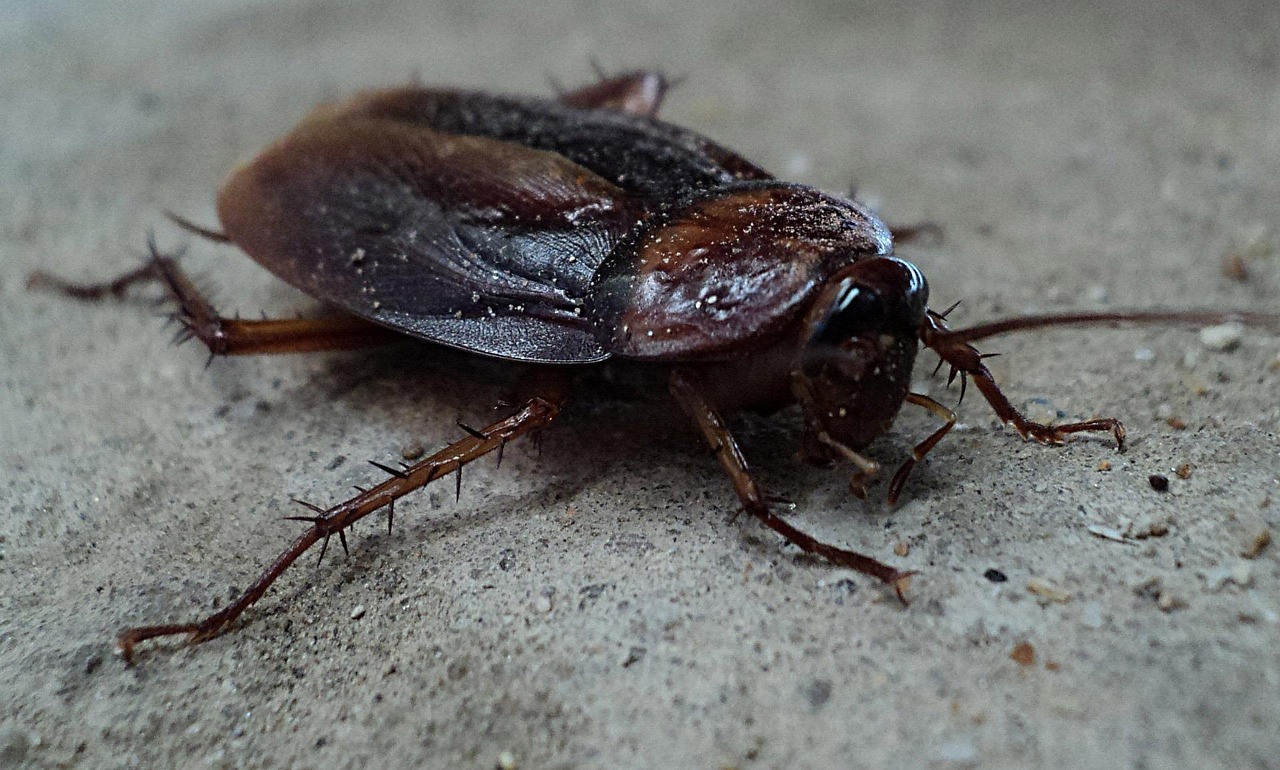
You flick the kitchen light on and freeze—something darts across the counter. Then another. The good news? You're not alone. The bad news? Roaches rarely travel solo.
German cockroaches infest nearly 1 in 4 U.S. homes, and they're especially common in North Carolina, where humidity and warmth create ideal breeding conditions. Whether you live in an urban apartment or a rural manufactured home, say August is prime time for infestations to surge.
According to pest control specialists, North Carolina's mix of dense housing, humid weather, and inconsistent sanitation routines makes homes—especially kitchens and bathrooms—ideal for roaches. The German cockroach, in particular, is notorious for squeezing into tiny cracks, laying up to 50 eggs at once, and rapidly overwhelming a property if left unchecked.
Smoky brown cockroaches, another local offender, tend to hide in outdoor structures like sheds or crawlspaces but often venture inside for food and moisture.
Cockroaches are more than a nuisance. They carry bacteria, contaminate food, and trigger asthma and allergies—especially in children and older adults. A in North Carolina found that cockroach allergens were a major contributor to respiratory issues in low-income housing, and infestations in rural manufactured homes remain a challenge due to limited access to professional treatment.
Local pest control professionals emphasize a multi-phase approach—one that homeowners can begin immediately and scale up with professional help if needed:
Check kitchens, bathrooms, behind appliances, under sinks, and in baseboard cracks for signs like droppings, egg casings, and musty odors.
Wipe surfaces, seal food, clean up crumbs, and fix any water leaks. Roaches thrive where food and moisture are easily accessible.
Skip the over-the-counter sprays. Experts recommend insect growth regulators (IGRs) and professional-grade baits placed in cracks and crevices—the areas German cockroaches love most.
Sticky traps can help monitor activity. Professional follow-up visits help ensure long-term elimination and catch re-infestations early.
This long-term method combines education, monitoring, and safe treatment phases—and has been shown to reduce infestations significantly, especially in rural NC housing.
"Overusing insecticides often backfires," Holly Springs Pest Control, a local North Carolina pest control company, warns. "Strategic baiting and growth regulators are safer and more effective, especially around kids and pets."
Roaches are resilient, especially once they've spread.
If sticky traps and store-bought sprays aren't cutting it, scheduling a local inspection may be the next best step. Safe, fast solutions are available—and North Carolina experts are ready to help.


