Bed bugs are invading Northern Virginia homes at alarming rates, with D.C. ranking #6 nationally for infestations. But there’s a bigger problem, experts argue: these pests are now outsmarting traditional treatments that used to work.
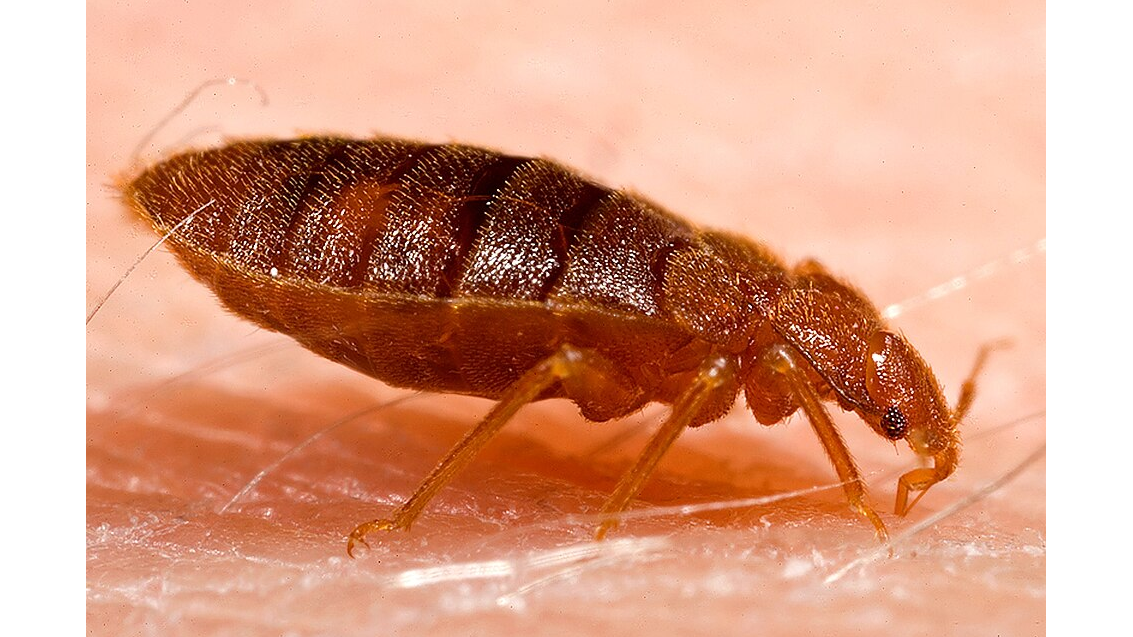
The warm months bring an unwelcome guest to Northern Virginia homes: bed bugs. These blood-sucking pests thrive in the region's climate, with increased activity during warmer temperatures that create ideal breeding conditions.
Recent data shows the problem is worsening across the region. According to Orkin's annual rankings, Washington DC maintains its #6 position on the national bed bug list, while Virginia cities Richmond (#28) and Norfolk (#31) both appear among the top 50 most infested cities. This regional concentration means NOVA homeowners face higher risks of encountering these pests through travel, visitors, or simply living in an area where bed bugs are increasingly common.
The concerning trend affects more than individual homes. Connor's Pest Pros, Springfield-based professional pest control experts, report increasing resistance to traditional treatments, making early preparation and professional intervention more critical than ever for Northern Virginia residents.
Adult bed bugs are reddish-brown, wingless insects about the size of an apple seed, while younger bed bugs appear smaller and translucent whitish-yellow. Live bugs crawling near sleeping areas are dead giveaways, particularly along mattress seams and bed frames. Other telltale signs include dark ink-like stains on fabrics, tiny bloodstains on sheets, and shell casings or shed skins around furniture. A sweet, musty odor in heavily infested rooms often accompanies these visual clues.
Bed bug bites typically appear as raised bumps arranged in lines, zigzag patterns, or random clusters on exposed skin. Many bites have a characteristic pimple-like appearance with a dark red center. The bites often itch intensely and may develop into welts, though some people show no reaction at all to bed bug bites. Bites commonly occur on the arms, shoulders, neck, and face - areas that are usually exposed while sleeping.
These pests don't limit themselves to beds, Connor's Pest Pros warns. Couch cushions, curtain folds, electrical outlets, picture frames, and any cracks or crevices near sleeping areas can all be hosting bed bugs. These pests can survive in hotels, nursing homes, schools, office buildings, and public transportation, making them excellent hitchhikers. They prefer tight spaces during daylight hours, emerging at night when CO2 from human breath signals mealtime.
Modern bed bugs have developed resistance to many common insecticides, according to pest control research - making them significantly harder to eliminate than previous generations. This resistance means traditional spray treatments that once worked reliably now often fail, requiring multiple applications or completely different approaches. That's why professional pest control companies increasingly rely on heat treatments, steam applications, and integrated pest management strategies to achieve effective results.
The consistently high rankings for Washington D.C. and Virginia cities reflect a regional bed bug problem that shows no signs of slowing. Dense population centers, frequent travel, and the movement of people through hotels, universities, and business districts create perfect conditions for bed bug spread. This concentration means NOVA residents face higher exposure risks simply due to geographic proximity to heavily infested areas.
Before settling into any hotel room, thorough inspections are recommended. Guests should peel back sheets and check mattress seams, especially at the head of the bed. They should also examine upholstered chairs and curtains for dark spots or live bugs while keeping luggage elevated on bathroom tiles or in the bathtub - never on beds or furniture. Upon returning home, all dryer-safe clothing should be placed directly into the dryer on high heat for 30-45 minutes.
Clutter should be minimized, especially in bedrooms, to eliminate hiding spots. Bedding must be washed in hot water weekly and vacuumed regularly, experts say - with particular attention paid to mattress seams, bed frames, and furniture crevices. Professionals also advise homeowners to seal cracks around baseboards, electrical outlets, and picture frames with caulk.
Experts suggest that bed bug monitors or interceptors under bed legs can catch bugs attempting to climb up from the floor. Sleeping areas should be inspected using a flashlight, focusing on mattress tags, wooden bed frame joints, and upholstered furniture seams. The early warning signs are live bugs, fecal spotting, small bloodstains, eggs, or shell casings that indicate an emerging infestation - and occupants are advised to keep a lookout for them.
Professional treatments offer access to specialized equipment, proven methods, and expertise that DIY approaches can't match. Heat treatments eliminate all life stages of bed bugs in a single session, while chemical applications provide longer-lasting protection against re-infestation. DIY methods like vacuuming, laundering, and over-the-counter sprays may help with very minor problems but typically fail against established infestations due to bed bugs' resistance and hiding abilities.
Professional bed bug elimination costs typically range from $500 to $5,000, with most single-family homes requiring $800 to $1,000 per room treated. Costs will vary widely based on infestation severity, treatment type, and location. Heat treatments generally cost more upfront but often resolve infestations in one visit, while chemical treatments may require multiple applications over several weeks. Additional costs include laundering, dry cleaning infested items, and potentially replacing heavily infested furniture. Many companies offer guarantees and follow-up treatments to ensure complete elimination.
The key to bed bug control lies in swift action at the first sign of trouble. Waiting and hoping for the problem to resolve itself only allows populations to grow exponentially - making treatment both more difficult and expensive. Professional inspection and treatment provide the best chance of complete elimination, experts say - especially given current resistance issues affecting many traditional control methods.
Prevention remains the most cost-effective strategy, but when bed bugs do appear, an immediate professional intervention will prevent minor problems from becoming major infestations. Regular monitoring, smart travel habits, and maintaining a clutter-free environment are described as creating the best defense against these persistent pests.


