Patients research online before booking an appointment, but most practices are still relying on outdated advertising methods. Here’s why content marketing is now the most cost-effective way to fill your appointment book.
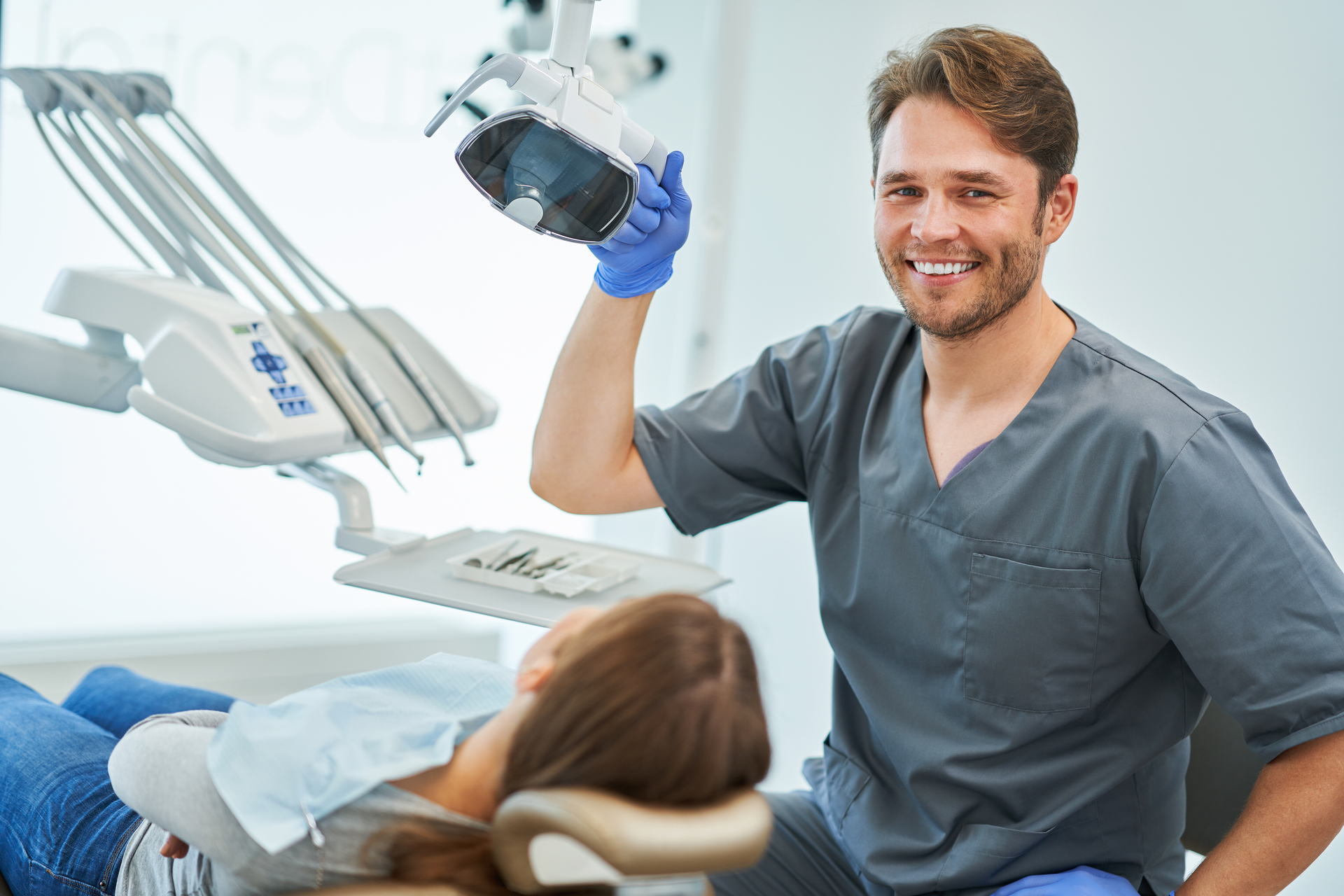
The dental industry has transformed dramatically in recent years. Traditional advertising methods that once filled appointment books are losing effectiveness as patients increasingly turn to online research before making healthcare decisions. This shift demands a strategic approach to digital marketing that builds trust, demonstrates expertise, and captures patients at the exact moment they're seeking dental solutions.
The modern dental patient journey begins with a search engine rather than a phone call. Research consistently shows that over two-thirds of potential patients conduct online research before scheduling their first appointment. This shift in behavior means dental practices must establish a strong digital presence where patients are actively seeking information.
Content marketing has emerged as one of the most cost-effective methods for acquiring local patients. Unlike paid advertising, which stops generating results the moment spending ceases, content marketing creates lasting visibility that compounds over time. When dental practices publish valuable content that addresses common patient concerns, they capture attention during the research phase when treatment decisions are being made.
Traditional dental advertising often feels pushy or sales-focused, which can create resistance among potential patients. Educational content marketing takes the opposite approach by providing genuine value first. When practices publish detailed explanations of procedures, answer common questions about oral health, and share preventive care tips, they demonstrate expertise while building patient confidence.
This trust-building approach is particularly effective in healthcare, where patients need to feel comfortable with their provider before scheduling treatments. Educational content positions the practice as a helpful resource rather than just another business seeking customers.
Content marketing delivers exceptional return on investment compared to traditional advertising channels. A single well-written blog post can attract patients for years, while a magazine ad disappears after one month. The compounding effect of quality content means early investments continue generating results long after publication.
Industry data shows that content marketing typically costs 62% less than traditional advertising while generating three times more leads. For dental practices operating on tight marketing budgets, this efficiency makes content marketing an attractive alternative to expensive print or radio campaigns.
Traditional advertising requires continuous spending to maintain visibility. Stop paying for ads, and patient flow often decreases immediately. Content marketing creates lasting digital assets that continue working around the clock. A detailed blog post about teeth whitening options can attract patients months or even years after publication, providing ongoing value from a single content investment.
Dental patients arrive at practices with predictable concerns and questions. Smart content strategies address these common inquiries directly through detailed blog posts. Topics like "What to expect during a root canal," "How long do dental implants last," and "Are dental X-rays safe" consistently generate patient interest and search traffic.
Effective dental blog content goes beyond basic information to address emotional concerns. Patients often worry about pain, cost, and treatment duration. Content that acknowledges these concerns while providing reassuring, factual information helps reduce anxiety and encourages appointment scheduling.
Video content has become increasingly important for dental patient education. Complex procedures are easier to understand when demonstrated visually rather than described in text. Treatment explanation videos, office tour content, and dentist introduction videos help patients feel more comfortable before their first visit.
Short-form video content performs particularly well on social media platforms where many patients discover dental practices. Quick tips about oral hygiene, procedure explanations, and behind-the-scenes practice content can significantly increase engagement and patient interest.
Publishing news-style content about dental health developments, new treatment options, and oral health research establishes practices as industry authorities. When dental offices comment on recent studies or explain how new technologies benefit patients, they position themselves as knowledgeable leaders in their field.
This authority-building content often gets shared more frequently than basic educational material, expanding the practice's reach beyond its immediate patient base. Local media outlets may even reference authoritative dental practice content, creating valuable backlinks and broader community recognition.
Local search optimization requires content that specifically targets geographic keywords. Rather than competing for broad terms like "dental implants," practices should focus on location-specific phrases like "dental implants in [city name]" or "emergency dentist near [neighborhood]." This targeted approach captures patients who are ready to book appointments with nearby providers.
Location-specific content also includes references to local landmarks, community events, and area-specific oral health concerns. These geographic signals help search engines understand the practice's service area and improve visibility for local searches.
Detailed service area pages help practices capture patients from multiple nearby communities. Each page should provide detailed information about services offered in specific locations, local contact information, and content addressing that area's unique dental needs.
These pages work particularly well when they include local testimonials, community involvement information, and specific directions or parking details for each location. The goal is creating genuinely useful resources for patients in each service area rather than duplicate content across multiple pages.
Google My Business profiles serve as vital local search real estate for dental practices. Regular content updates through posts, photos, and review responses signal to Google that the practice is active and engaged with patients. This activity directly impacts local search rankings and patient discovery.
Effective Google My Business management includes posting about new services, sharing patient success stories (with permission), and responding thoughtfully to all patient reviews. These activities demonstrate practice responsiveness and commitment to patient satisfaction.
The most effective dental content starts with deep understanding of patient needs, concerns, and search behaviors. Rather than creating content about what the practice wants to promote, successful strategies focus on what patients actually want to know. This patient-centric approach ensures content connects with the intended audience and addresses real informational needs.
Research into common patient questions, treatment anxieties, and decision-making factors provides the foundation for content that truly serves the target audience. When practices invest time in understanding patient perspectives, their content naturally becomes more engaging and useful.
Content repurposing maximizes the value of each piece of created material by transforming it into multiple formats for different platforms and consumption preferences. A detailed blog post about dental hygiene can become a video series, infographic, social media posts, email newsletter content, and patient handout materials.
This multi-format approach ensures the same valuable information reaches patients who prefer different types of content consumption. Some patients prefer reading detailed articles, while others respond better to visual content or short video explanations. Repurposing allows practices to serve all these preferences efficiently.
Content distribution extends far beyond the practice's own website and social media channels. Strategic distribution through dental industry publications, local news outlets, and health-focused platforms amplifies content reach and builds valuable backlinks that improve search engine rankings.
Professional content distribution networks can place dental practice content across hundreds of relevant websites, creating widespread visibility that individual practices couldn't achieve independently.
Visual transformation content performs exceptionally well on Instagram, where patients can see dramatic results from dental treatments. Before-and-after photos of cosmetic procedures, orthodontic treatment, and restorative work provide compelling evidence of practice capabilities while inspiring potential patients to consider similar treatments.
Effective before-and-after content includes patient testimonials, treatment timelines, and educational information about the procedures shown. This combination of visual impact and educational value creates content that both inspires and informs potential patients.
TikTok's short-form video format works particularly well for dental education content targeting younger patients. Quick explanations of oral health tips, procedure demonstrations, and myth-busting content can reach demographics that traditional dental marketing often misses.
Successful dental TikTok content balances entertainment with education, making oral health information accessible and engaging for younger audiences. This approach helps practices connect with patients who will need dental services for decades to come.
Artificial intelligence is reshaping how search engines understand and rank content. Dental practices must adapt their content strategies to optimize for AI-powered search features like Google's AI overviews and voice search results. This requires structuring content with clear, concise answers to common patient questions and organizing information in formats that AI can easily process and present.
Future-focused content optimization includes using structured data markup, creating FAQ-style sections, and ensuring content directly answers specific patient queries. Practices that optimize for AI search features now will maintain visibility as search technology continues evolving.
The dental industry's digital transformation makes content marketing necessary for sustainable practice growth. Patients increasingly expect to find detailed information online before making healthcare decisions. Practices that provide valuable, educational content will capture these research-driven patients while building trust and authority in their communities.
Content marketing's compounding benefits make it particularly attractive for dental practices seeking long-term growth strategies. Unlike traditional advertising that requires continuous spending, a well-executed content marketing strategy creates lasting digital assets that continue generating patient leads for years after creation.


