If you’re still struggling with PTSD and anxiety despite trying traditional therapy and medication, there’s a breakthrough treatment offering relief within 30 minutes that works by “resetting” your overactive nervous system—but most people have never heard of it.
Living with PTSD and anxiety can feel like being trapped in a constant state of alert, where even peaceful moments carry the weight of anticipation. Traditional treatments help many people, but for those who haven't found sufficient relief through therapy and medication alone, innovative approaches are opening new doors to recovery. The key lies in understanding both cutting-edge medical interventions and proven daily coping strategies that work together to restore balance.
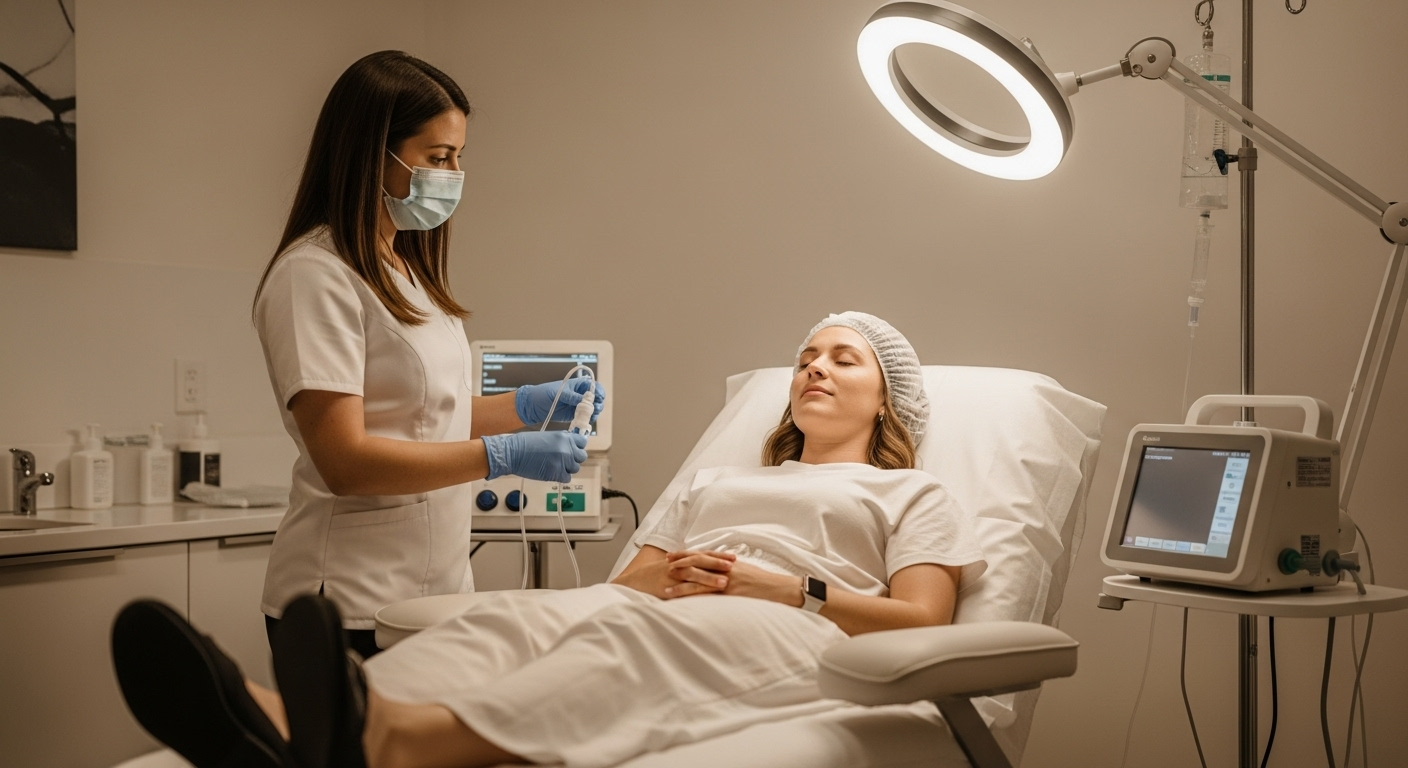
Stellate Ganglion Block represents a breakthrough approach for individuals whose PTSD symptoms persist despite conventional treatments. This precise, ultrasound-guided injection targets a cluster of nerves in the neck that plays a crucial role in the body's fear response system. Unlike traditional medications that can take weeks to show effects, SGB works by directly interrupting the neural pathways that maintain hypervigilance and anxiety.
SGB may work by influencing nerve growth factor and norepinephrine levels, potentially calming the increased sympathetic nervous system activity associated with PTSD, though the precise mechanism is still being researched. A randomized controlled trial demonstrated that SGB effectively decreases PTSD symptom severity and can also treat generalized anxiety disorder and major depressive disorder symptoms.
What makes SGB particularly compelling is its rapid onset. Many patients experience noticeable symptom relief within 30 minutes to a few days after the procedure. A case series involving 285 patients showed a significant reduction in anxiety symptoms, as indicated by a considerable decrease in GAD-7 scores, with the benefits sustained for at least one month following the SGB injection.
The autonomic nervous system operates like a sophisticated alarm system with two main branches: the sympathetic (fight-or-flight) and parasympathetic (rest-and-digest) responses. In healthy individuals, these systems work in harmony, activating stress responses when needed and returning to calm states afterward. However, trauma can cause the sympathetic system to become chronically overactive, leaving individuals in a perpetual state of high alert.
SGB works by temporarily "resetting" the stellate ganglion, a collection of nerve cells that helps control the sympathetic nervous system. When local anesthetic is injected into this nerve cluster, it interrupts the constant flow of stress signals that maintain symptoms like hypervigilance, panic attacks, and insomnia. This neurological reset allows the parasympathetic system to regain influence, helping restore natural balance.
The procedure essentially gives the nervous system a chance to recalibrate. Think of it like restarting a computer that's been running too many programs - the temporary shutdown allows the system to clear its overloaded processes and function more efficiently. This reset can break the cycle of chronic stress activation that keeps PTSD symptoms active, providing a window of opportunity for other healing approaches to be more effective.
SGB becomes a valuable option when first-line treatments haven't provided adequate relief. Individuals who have tried multiple therapies, including cognitive behavioral therapy, EMDR, and exposure therapy, alongside various medications may find SGB offers the breakthrough they've been seeking. This treatment is particularly beneficial for those whose symptoms have remained severe despite consistent engagement with traditional approaches.
The ideal candidates often experience persistent flashbacks, nightmares, hypervigilance, or panic attacks that significantly impact daily functioning. These individuals typically have treatment-resistant PTSD, meaning their symptoms continue to interfere with work, relationships, and quality of life despite months or years of conventional treatment efforts.
Many people with PTSD struggle with medication side effects that can be as debilitating as the original symptoms. Common issues include weight gain, sexual dysfunction, emotional numbing, or cognitive fog that impacts job performance and relationships. SGB offers an alternative that works through a different mechanism entirely, potentially reducing or eliminating the need for daily psychiatric medications.
For individuals who experience paradoxical reactions to medications - where anxiety medications actually increase anxiety or antidepressants worsen depression - SGB provides a non-pharmaceutical approach. Since the treatment works by directly affecting nerve function rather than brain chemistry, it sidesteps many of the complications associated with psychiatric medications.
While SGB has been used in pain management for many years, its application for PTSD is considered off-label because it lacks specific FDA approval for mental health conditions. However, the military and VA have incorporated SGB into their PTSD treatment programs, recognizing its potential based on growing clinical evidence and positive outcomes.
The procedure carries minimal risks when performed by experienced practitioners. Common but temporary side effects include hoarseness, drooping eyelid, and facial flushing, which typically resolve within hours. Serious complications are rare, making SGB a relatively low-risk option for individuals who haven't responded to other treatments.
Transcranial Magnetic Stimulation uses magnetic fields to stimulate specific brain regions associated with mood regulation and trauma processing. This non-invasive treatment has gained FDA approval for depression and is being explored as a promising treatment for PTSD. TMS works by delivering focused magnetic pulses to areas of the brain that may be underactive in individuals with trauma-related disorders.
The treatment involves placing a magnetic coil against the scalp, typically over the left prefrontal cortex, while the patient remains awake and alert. Sessions last about 30-40 minutes and are usually conducted five days a week for several weeks. Many patients appreciate that TMS doesn't require anesthesia or cause the cognitive side effects associated with some medications.
Ketamine therapy represents another breakthrough approach for treatment-resistant PTSD and depression. This medication works differently from traditional antidepressants by targeting the brain's glutamate system rather than serotonin or dopamine pathways. The treatment can provide rapid relief, sometimes within hours or days, compared to the weeks typically required for conventional medications to take effect.
Administered in clinical settings under medical supervision, ketamine therapy involves carefully controlled doses that create a dissociative experience lasting 45-60 minutes. During this time, patients often report decreased emotional reactivity to traumatic memories and increased psychological flexibility. The treatment appears to promote neuroplasticity, potentially helping the brain form new, healthier neural connections.
Several complementary therapies show promise but require more research to establish their effectiveness fully. Acupuncture is recognized by the Department of Veterans Affairs as a Complementary and Alternative Medicine treatment that may help with anxiety and sleep issues in PTSD patients. The practice involves inserting thin needles at specific points on the body to promote healing and balance.
Herbal treatments such as chamomile, lavender, and valerian root have traditionally been used for anxiety relief. While generally considered safe, these approaches should be discussed with healthcare providers, especially for individuals taking prescription medications. Medical cannabis is also being studied for PTSD symptoms, though legal considerations and potential side effects require careful evaluation.
Deep breathing forms the foundation of many anxiety management techniques because it counteracts the shallow, rapid breathing that can accompany panic responses. Natural breathing involves the diaphragm, the large muscle in your abdomen, causing your belly to expand on inhalation and fall on exhalation. Many people develop chest breathing habits that can actually increase stress and anxiety over time.
Progressive muscle relaxation alternates between tensing and relaxing different muscle groups throughout the body. Start by tensing your toes for five seconds, then completely relax them. Move systematically through each muscle group - calves, thighs, abdomen, arms, shoulders, and face. This technique helps identify areas where you hold tension and teaches your body the difference between stress and relaxation.
Mindfulness practices help anchor attention in the present moment, breaking the cycle of anxious thoughts about the future or traumatic memories from the past. Simple techniques include focusing on your breath, noticing physical sensations, or observing thoughts without judgment. The goal isn't to stop thinking but to change your relationship with thoughts, recognizing them as mental events rather than absolute truths.
Self-monitoring involves carefully observing and recording specific thoughts, behaviors, sensations, or emotions throughout the day. Keep a simple log noting what situations trigger anxiety, what physical sensations you experience, and which coping strategies help most. This awareness helps identify patterns and develops a personalized toolkit of effective responses.
Research consistently shows that social support plays a major role in helping people overcome trauma's negative effects. Having trusted individuals to turn to during difficult moments provides emotional validation and practical assistance. However, quality matters more than quantity - one or two genuinely supportive relationships can be more helpful than a large network of casual acquaintances.
Self-soothing strategies prepare you for times when anxiety strikes unexpectedly and social support isn't immediately available. Effective techniques include incorporating the five senses to ground yourself in the present moment, self-touch such as placing a hand on your heart, listening to calming music, or using aromatherapy. Weighted blankets can provide comfort through deep pressure stimulation.
Expressive writing involves setting aside 15-20 minutes to write continuously about thoughts and feelings, particularly related to stressful experiences. This practice helps process emotions and has been shown to improve both physical and psychological health. For PTSD specifically, expressive writing can improve coping abilities, reduce symptoms, and decrease feelings of anger and tension.
Behavioral activation counters the avoidance patterns common in anxiety and PTSD by gradually increasing engagement in meaningful activities. Create a list of activities you find rewarding, like spending time with friends, exercising, visiting the library, cooking, or pursuing creative hobbies. Set weekly goals for how many positive activities you'll complete and track your progress to build momentum.
Grounding techniques use your five senses or tangible objects to interrupt distressing thoughts and return focus to the present moment. The 5-4-3-2-1 method involves identifying five things you can see, four things you can touch, three things you can hear, two things you can smell, and one thing you can taste. This systematic approach engages different parts of your brain and interrupts anxiety spirals.
Physical grounding techniques include holding ice cubes to notice the cold sensation and gradual melting, taking a short walk while focusing on each step, or savoring a food or drink while paying attention to taste, texture, and temperature. These concrete experiences anchor awareness in immediate physical reality rather than anxious thoughts or traumatic memories.
Recovery from PTSD and anxiety isn't a linear journey, and what works varies significantly from person to person. Some individuals find breakthrough relief through innovative treatments like SGB, while others build sustainable recovery through consistent application of coping strategies and traditional therapies. The most successful approaches often combine professional treatment with daily self-management skills.
The key lies in remaining open to different possibilities while building a foundation of proven coping techniques. Whether you're considering cutting-edge medical interventions or strengthening daily management skills, progress often comes through persistent experimentation and adjustment. Remember that seeking help demonstrates strength, not weakness, and that effective treatments continue to evolve as research advances.
Consider starting with the coping strategies that resonate most strongly with your current situation and lifestyle. Simultaneously, if traditional treatments haven't provided adequate relief, considering innovative options with qualified professionals can open new pathways to healing. The combination of professional expertise and personal commitment to daily practice creates the strongest foundation for long-term recovery.


