Many Alabama homeowners use improperly sized AC units, causing high energy bills and premature system failure. This often occurs when installers prioritize square footage over detailed technical assessments. Learn the criteria that determine a home’s actual cooling requirements.
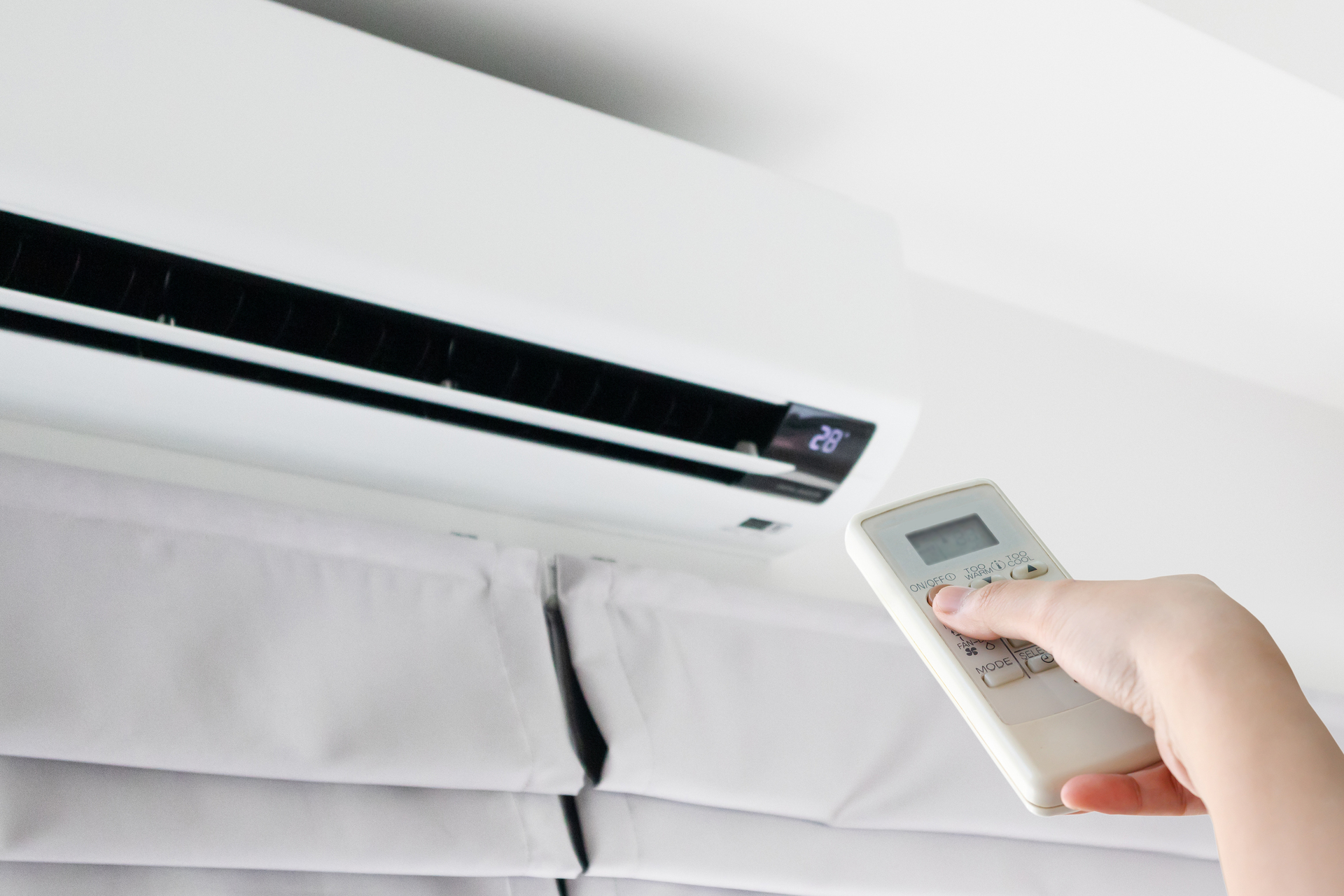
A frequent misconception in the HVAC industry is that a larger air conditioning unit inherently provides better cooling. In reality, this approach often leads to increased utility costs and poor indoor air quality. HVAC installers are able to optimize a home's internal climate through precise sizing calculations that account for the unique architectural and environmental characteristics of the property.
A significant portion of residential HVAC systems across Alabama are incorrectly sized because installers often bypass detailed assessment protocols. Rather than performing a technical load calculation, some contractors estimate capacity based on square footage alone. This practice fails to account for ceiling height, the quality of the thermal envelope, and window placement—factors that significantly shift the required cooling load.
Oversized units are prevalent because of the mistaken belief that extra capacity is a safety margin. However, these systems reach the thermostat set point too quickly. Because they do not run for a sufficient duration, they fail to pull enough moisture out of the air. This results in a "clammy" environment where the temperature is low, but the humidity remains high. Conversely, undersized units run without interruption, attempting to meet a demand they cannot satisfy. This leads to rapid wear on the compressor and significantly higher electricity bills.
The long-term consequences of these errors are substantial. Systems that are not matched to the home's load often require replacement within 8 to 10 years, which is roughly half the 15-to-20-year lifespan expected of a properly installed unit.
HVAC technicians utilize a systematic evaluation to determine a home's cooling requirements. This process identifies the exact cooling capacity needed, typically measured in British Thermal Units (BTUs) per hour or refrigeration tons (where one ton equals 12,000 BTUs).
Windows are a primary source of heat gain because glass transfers thermal energy more readily than insulated walls. An expert assessment examines the total surface area of glass, its orientation (North, South, East, or West), and the type of glazing used.
South-facing windows in Alabama receive intense direct solar radiation during peak hours, necessitating higher cooling capacity for those zones. The use of double-pane, low-E glass can significantly reduce this heat transfer. Furthermore, external shading from trees or architectural overhangs is factored into the calculation, as these elements can reduce the required tonnage for the system.
While square footage is the starting point, the total volume of the space is what truly matters. Homes with vaulted or cathedral ceilings contain a larger volume of air that must be conditioned. Because warm air rises, these spaces require specific air distribution strategies to prevent thermal stratification. Professional assessments also look at the floor plan layout; open concepts distribute air differently than older, compartmentalized designs, affecting how the system should be sized to ensure even cooling.
The effectiveness of the home's "envelope"—its ability to keep cooled air in and heat out—is determined by insulation quality. Technicians evaluate the R-values in the attic, walls, and crawl spaces. In many older Alabama homes, settled or inadequate insulation forces the AC to work harder.
The condition of the ductwork is also a major variable. In many cases, ducts are located in unconditioned attics where temperatures can exceed 130°F. If these ducts are leaky or poorly insulated, the system loses a significant percentage of its cooling capacity before it ever reaches the living space. Addressing these issues with Aeroseal duct sealing or improved insulation can sometimes allow for a smaller, more efficient AC unit.
Heat is not just generated by the sun; it is also produced inside the home. Appliances, lighting, and electronics all contribute to the "sensible heat" that the AC must remove. Older incandescent bulbs, for instance, generate far more heat than modern LEDs. Additionally, the number of residents is a factor, as each person contributes approximately 400 BTUs of heat per hour to the environment. A home that frequently hosts large gatherings will have different peak load requirements than a single-occupant residence.
The industry standard for sizing is the Manual J Load Calculation, developed by the Air Conditioning Contractors of America (ACCA). This methodology moves beyond guesswork by using localized climate data and specific building materials to calculate the "heat gain" of a structure.
For the Talladega region, the summer "design temperature" is approximately 93°F. This is the temperature that is exceeded only 1% of the time during a typical year. A system sized to this standard ensures that the home remains comfortable even during the hottest days of an Alabama summer without being so large that it operates inefficiently during milder periods.
Alabama's climate is characterized by an extended cooling season that can last from late March through October. High humidity levels—often averaging 70% or more—mean that the AC unit must perform a high degree of "latent cooling" (moisture removal). If a system is oversized, it cycles off before the evaporator coil has a chance to dehumidify the air properly.
Improperly sized units create mechanical issues that directly impact the homeowner's wallet.
Modern advancements have changed how capacity is delivered. Professional technicians often recommend Rheem equipment, which utilizes advanced scroll compressors. Unlike older reciprocating compressors, scroll compressors have fewer moving parts, leading to quieter operation and higher reliability.
In the southern United States, new installations must meet minimum SEER2 (Seasonal Energy Efficiency Ratio) standards. Standard models now start at 14.3 SEER2 (equivalent to 15 SEER), which can be 30% more efficient than systems installed just a decade ago. High-efficiency models can reach SEER ratings of 20 or higher. When these units are matched with variable-speed blowers, they can adjust their output to match the home's needs in real-time, providing better humidity control and lower energy bills.
Investing in a professional sizing assessment at the outset of an installation provides returns for the life of the system. A properly sized unit uses less electricity, requires fewer emergency repairs, and maintains a healthier indoor environment by controlling moisture levels. Furthermore, systems that are correctly matched to the home's load are less likely to experience the "iced-up" coils or burnt-out compressors that often plague improperly installed equipment.


