Picking the wrong dumpster size can blow your project budget and cause major delays. From 10-yard containers for bathroom remodels to industrial compactors that reduce waste by 7.5:1, the size you choose makes all the difference.
Selecting the wrong dumpster size can derail project timelines and blow budgets. Whether tackling a bathroom remodel or managing commercial waste, understanding capacity requirements prevents costly oversights and ensures efficient debris removal.
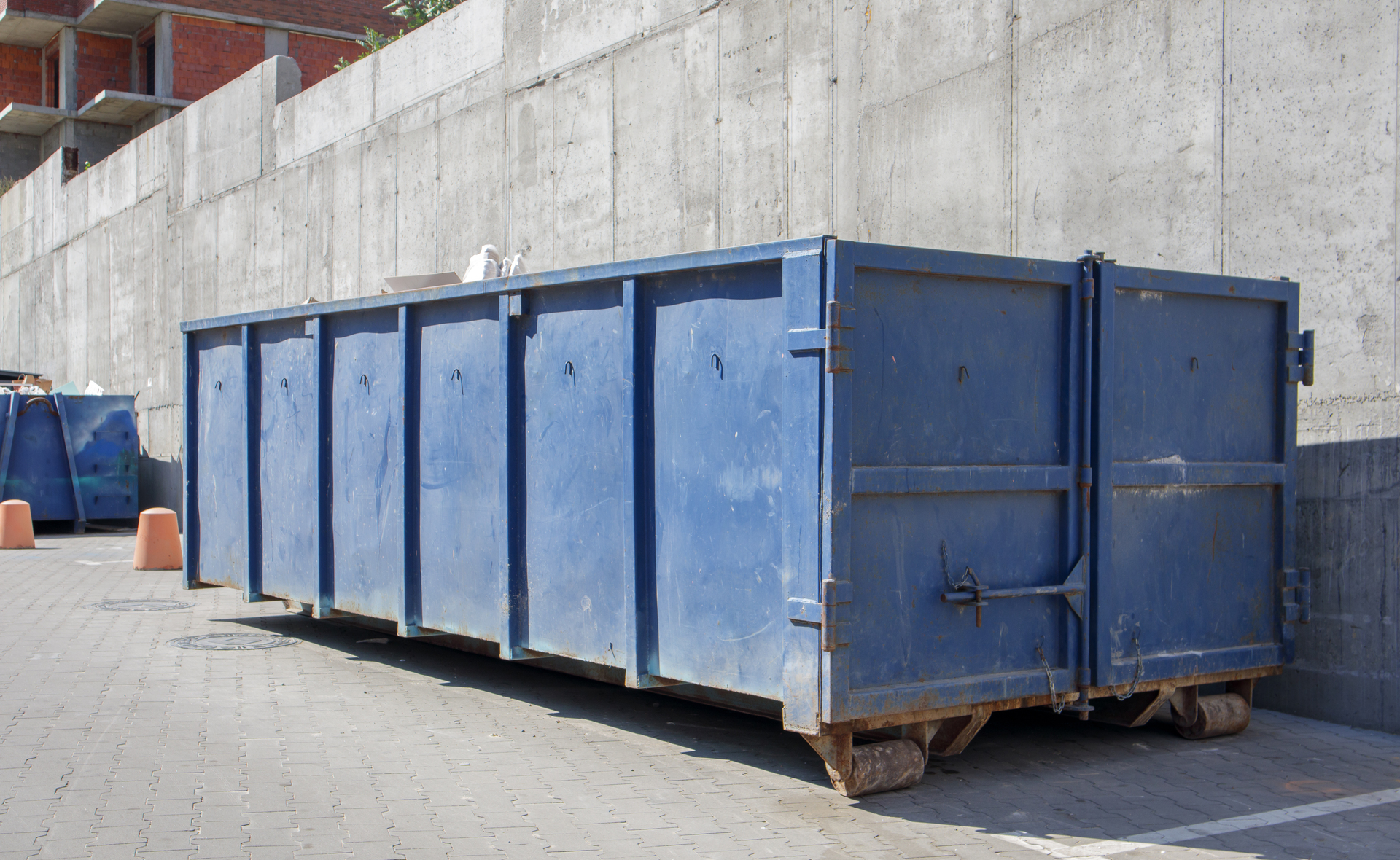
Roll-off dumpsters follow standard sizing conventions that translate directly to project needs. A 10-yard container typically measures 12-14 feet long by 7.5-8 feet wide by 3.5 feet high, holding approximately three pickup truck loads of debris. The 20-yard option extends to 22 feet long by 7.5-8 feet wide by 4 feet high, accommodating up to six pickup loads.
Austin, Texas-based specialists at GrimeTime Dumpster Rentals explain that stepping up to 30 yards maintains the 22-foot length while increasing height to 6 feet and width to 8 feet, handling about nine pickup truck loads. The largest residential option, 40 yards, provides maximum capacity for extensive projects.
The 10-yard dumpster serves as the go-to choice for compact home improvements. Bathroom remodels generate manageable debris loads that fit comfortably within this size range. Small basement cleanouts, single-room carpet removal, and minor kitchen updates rarely exceed the capacity of three pickup trucks. This size works particularly well for projects lasting one to two weeks where debris accumulates gradually.
Property constraints often favor 10-yard containers. Narrow driveways, limited street access, and HOA restrictions make smaller footprints more practical. The compact dimensions allow placement in tight spaces while maintaining reasonable capacity for most residential renovation work.
Kitchen remodels often require 20-yard containers for cabinet removal, countertop disposal, and appliance replacement. The six pickup truck load capacity accommodates bulky items like old refrigerators and dishwashers, as well as construction debris. Roofing projects generate substantial shingle waste that fills smaller containers quickly, making 20-yard units the practical minimum for most roof replacements.
Multiple room renovations benefit from the extended timeline accommodated by 20-yard rentals. Flooring removal across several rooms, drywall demolition, and fixture replacement create steady streams of debris over 2-4 week periods. The larger capacity prevents mid-project pickup disruptions while maintaining cost efficiency.
Large-scale home additions and whole-house renovations demand 30-yard capacity. The nine pickup-truck loads equivalent handle substantial lumber waste, drywall removal, and demolished structural elements. Office cleanouts that remove furniture, electronics, and years of accumulated materials often surprise property managers with volume requirements that exceed the capabilities of smaller containers.
Commercial tenant improvements frequently generate mixed debris streams including drywall, carpeting, ceiling tiles, and office furniture. The 30-yard size accommodates a range of materials while providing flexibility for project timeline extensions common in commercial renovation work.
The 40-yard container represents maximum capacity for most dumpster rental applications. Commercial demolitions, removing walls, flooring, and structural elements, require this level of capacity. Large retail space renovations, restaurant buildouts, and warehouse cleanouts typically exceed the capabilities of smaller containers due to scale and material density.
Multi-story residential projects benefit from 40-yard capacity when debris removal involves significant vertical transport. Apartment renovations, multi-unit construction, and large home demolitions justify the maximum size by reducing pickup frequency and improving project efficiency.
Front-load dumpsters utilize hydraulic arms that engage slots on either side of the container, lifting it over the collection truck. This system works efficiently in areas with adequate clearance above and around the container. Rear-load systems use winches or hydraulic mechanisms that tip containers from the rear, requiring less overhead space but requiring clear rear access.
The choice between systems often depends on placement constraints. Front-load containers work well in parking lots with overhead clearance, while rear-load units suit locations with overhead obstacles like power lines or building overhangs. Both systems provide reliable service for ongoing commercial waste management.
Commercial dumpster sizing follows different conventions than roll-off units. A 2-yard container holds approximately 20 large trash bags, making it suitable for small offices, restaurants, or retail stores with moderate waste generation. Medical offices, professional services, and small retail stores often find 4-yard containers optimal for regular waste streams without excessive capacity costs.
Larger commercial operations such as restaurants, retail stores, and multi-tenant buildings often require 6-8 yard containers. These businesses generate consistent waste volumes that benefit from larger commercial container capacity. The regular pickup schedule prevents overflow while maintaining cost efficiency through optimized container utilization.
Pre-crusher compacting systems handle dense materials like cardboard, packaging, and manufacturing waste. These units crush materials before storage, significantly reducing the volume required. Manufacturing facilities and distribution centers benefit from pre-crushing capabilities that extend pickup intervals while managing high-volume waste streams effectively.
The crushing mechanism operates continuously during loading, eliminating the need for manual compaction. This automation improves workplace safety while maximizing container utilization for facilities generating consistent waste volumes throughout operating periods.
Restaurant operations generate wet, organic waste that benefits from self-contained compaction systems. These units seal waste inside protective containers, controlling odors and deterring pests. The compaction process reduces waste volume while maintaining sanitary conditions required for food service operations.
Self-contained systems work particularly well for establishments generating mixed organic and packaging waste. The sealed environment prevents liquid leakage while compaction increases capacity utilization, reducing pickup frequency and associated costs.
High-volume facilities use X-Press Pack compactors to achieve the highest compaction ratios. These systems can reduce waste volume by ratios up to 7.5:1, dramatically extending time between pickups. Large retailers, distribution centers, and manufacturing facilities benefit from the extreme volume reduction capabilities.
The enhanced compaction comes with increased equipment complexity and maintenance requirements. However, facilities that generate substantial waste volumes typically achieve a rapid return on investment by reducing pickup frequency and optimizing waste management costs.
Container size directly correlates with rental costs, but cost per cubic yard often decreases with larger units. A 10-yard container might cost $300 for a week, while a 20-yard unit costs $400, providing better value per cubic yard. However, paying for unused capacity negates these savings, making accurate size selection vital for cost optimization.
Capacity utilization affects overall project economics. Under-sizing leads to additional rental periods or emergency pickups at premium rates. Over-sizing wastes money on unused capacity and may require larger placement areas or additional permits.
Standard rental periods typically range from 7 to 14 days, with daily rates decreasing with longer commitments. Week-long rentals often provide a good balance of cost and project flexibility. Extended rentals beyond standard periods usually incur daily overage charges that can accumulate quickly.
Project timeline uncertainty suggests selecting slightly more extended initial rental periods rather than paying extension fees. Most companies offer more favorable rates for longer upfront commitments than for day-by-day extensions, which can double effective daily costs.
Material density significantly impacts total costs through weight-based pricing tiers. Concrete, roofing materials, and soil reach weight limits quickly in smaller containers, triggering overage charges. Lighter materials such as insulation, packaging, and general construction debris typically fall within standard weight allowances.
Mixed debris loads require careful consideration of the proportions of heavy material. Combining concrete removal with general renovation debris often requires larger containers or specialized disposal arrangements to avoid weight penalties that can double the total project cost.
Professional guidance eliminates guesswork in container selection while preventing costly sizing mistakes. Experienced rental companies evaluate project scope, debris types, and timeline requirements to recommend optimal solutions. This consultation process helps avoid common pitfalls, such as under-sizing for roofing projects or over-sizing for office cleanouts.
Expert recommendations consider factors beyond simple volume calculations. Placement constraints, permit requirements, weight limitations, and pickup scheduling all influence optimal container selection. Professional assessment ensures project success while optimizing cost efficiency through proper initial sizing.


