Choosing the wrong dumpster size can derail your Texas construction project with costly overage fees and delays. While 40-yard containers handle most jobs, Texas regulations—especially Austin’s 50% waste diversion requirement—might completely change your calculations.
Construction project managers across Texas face a critical decision that impacts both timeline and budget: choosing the correct dumpster size.
With construction and demolition debris accounting for 62% of the 40.1 million tons of waste disposed at municipal solid waste landfills in 2023, proper waste management planning has become vital for project success.
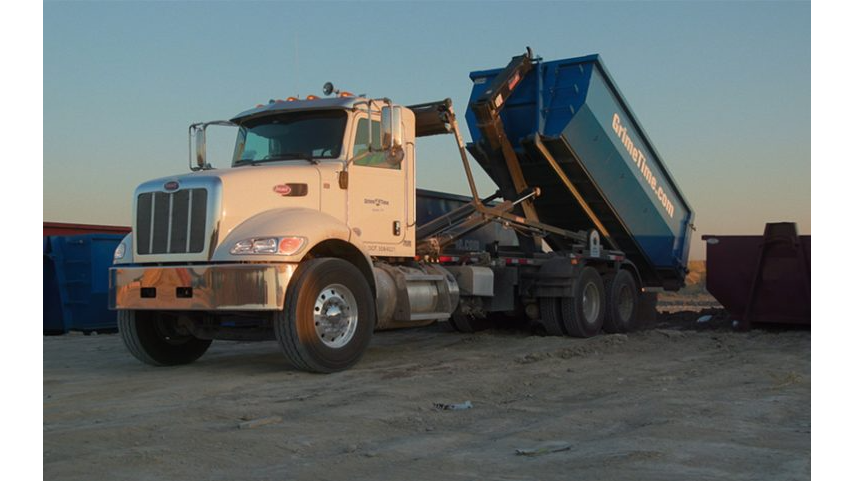
A 40-yard roll-off dumpster serves as the standard for large construction projects throughout the Houston area and most of Texas. These containers measure approximately 22 feet long, 8 feet wide, and 8 feet high, providing substantial capacity for major demolition and new construction work.
The capacity translates to 16-20 pickup truck loads of debris, making it ideal for substantial projects. Whether managing a commercial build-out or residential new construction, this size accommodates the volume typical of major Texas construction undertakings.
For projects generating significant debris volume, the 40-yard option prevents the need for multiple smaller containers or frequent pickups that can disrupt construction schedules. The generous capacity allows teams to focus on construction rather than waste logistics.
Texas dumpster sizing operates on cubic yard measurements, representing volume capacity. However, weight limits remain crucial and can lead to overage fees if exceeded and different materials create varying space and weight relationships that affect container selection.
Start by estimating the total volume of debris your project will generate. Consider demolished materials, construction waste, and packaging materials. A kitchen remodel typically produces 20-30 cubic yards of debris, while a whole-house renovation can generate 30-40 cubic yards. New construction projects often require the full 40-yard capacity or multiple containers depending on project scope.
Heavy materials like concrete, brick, and dirt require careful consideration despite volume measurements. These dense materials can quickly reach weight limits before filling the container's volume capacity. Plan for weight restrictions by separating heavy debris into dedicated containers when necessary.
Construction sites must accommodate the physical dimensions of the selected dumpster size. A 40-yard container requires sufficient space for delivery, placement, and pickup. Consider overhead obstacles like power lines, trees, and building overhangs when determining placement options.
Texas construction projects must navigate various regulatory requirements that directly influence dumpster selection and waste management strategies. Understanding these regulations helps avoid compliance issues and potential project delays.
Most Texas cities require permits for dumpster placement on public property, including streets and sidewalks. Dallas contractors face particularly strict regulatory requirements for waste material handling. Obtain permits before container delivery to avoid fines and forced relocations that disrupt project schedules.
Austin's construction and demolition ordinance mandates that projects larger than 5,000 square feet divert at least 50% of debris from landfills. Alternatively, projects can dispose of no more than 2.5 pounds per square foot in landfills. This regulation significantly impacts dumpster size selection, as recycling efforts can reduce container requirements.
Texas disposal facilities impose specific weight restrictions for various construction materials. Concrete and masonry typically require dedicated containers due to extreme weight density. Mixed construction debris allows for fuller volume utilization within weight limits.
Different construction phases and project types require specific container sizes for optimal efficiency and cost management. Understanding these applications helps prevent undersizing or oversizing mistakes.
Twenty-yard containers work perfectly for kitchen remodels, bathroom renovations, and flooring replacement projects. These containers accommodate 6-8 pickup truck loads of debris, providing adequate capacity for interior demolition and construction waste without overwhelming smaller job sites.
Thirty-yard dumpsters handle substantial renovation projects and home additions effectively. With capacity for 9-15 pickup truck loads, these containers suit whole-house cleanouts, large additions, and multi-room renovation projects that generate significant debris volumes.
The largest standard size, 40-yard containers, serves new construction projects and major demolition work. These containers accommodate 16-20 pickup truck loads, making them vital for commercial construction, large residential builds, and substantial demolition projects.
Texas's growing focus on construction waste recycling creates opportunities to significantly reduce dumpster requirements while meeting regulatory compliance standards. The state's construction and demolition recycling industry has developed into a substantial market worth approximately $361 million as of recent estimates.
Construction Waste Recycler of Texas demonstrates how on-site processing dramatically reduces waste volumes. Using mobile, low-speed grinders to process wood, drywall, and other materials on-site reduces landfill waste by up to 78% by volume or 85% by weight. This processing capability can downsize dumpster requirements from 40-yard to 20-yard containers for many projects.
The burgeoning recycling industry indicates strong infrastructure support for construction waste diversion. With construction and demolition debris representing the second-largest landfilled waste type in Texas, recycling options continue expanding across major metropolitan areas, providing more opportunities for waste reduction.
Proper dumpster sizing directly impacts project budgets and timelines. Undersized containers require additional rentals or frequent pickups, while oversized containers waste money on unused capacity. The cost difference between a 30-yard and 40-yard dumpster in Texas varies based on location, provider, and debris type, typically ranging from $300 to $800, making right-sizing important for budget management.
Weight overages create the most expensive surprises in construction waste management. Exceeding weight limits results in additional fees that can substantially impact project costs. Planning for appropriate container sizes based on debris type and volume prevents these costly overruns.
Project delays from inadequate waste management planning cost more than oversized containers and when dumpsters reach capacity mid-project, construction teams must halt work until replacement containers arrive. This downtime expenses typically exceed the cost difference between container sizes.
Emergency container swaps and additional pickups disrupt established project schedules and worker productivity. Proper initial sizing and advice keeps work flowing smoothly and prevents the cascading delays that impact project completion deadlines.


