Managing COPD or sleep apnea at home? A 5-liter oxygen concentrator may be the solution, but choosing the wrong model could compromise therapy quality—especially if key safety and maintenance factors are overlooked when making this critical health decision.
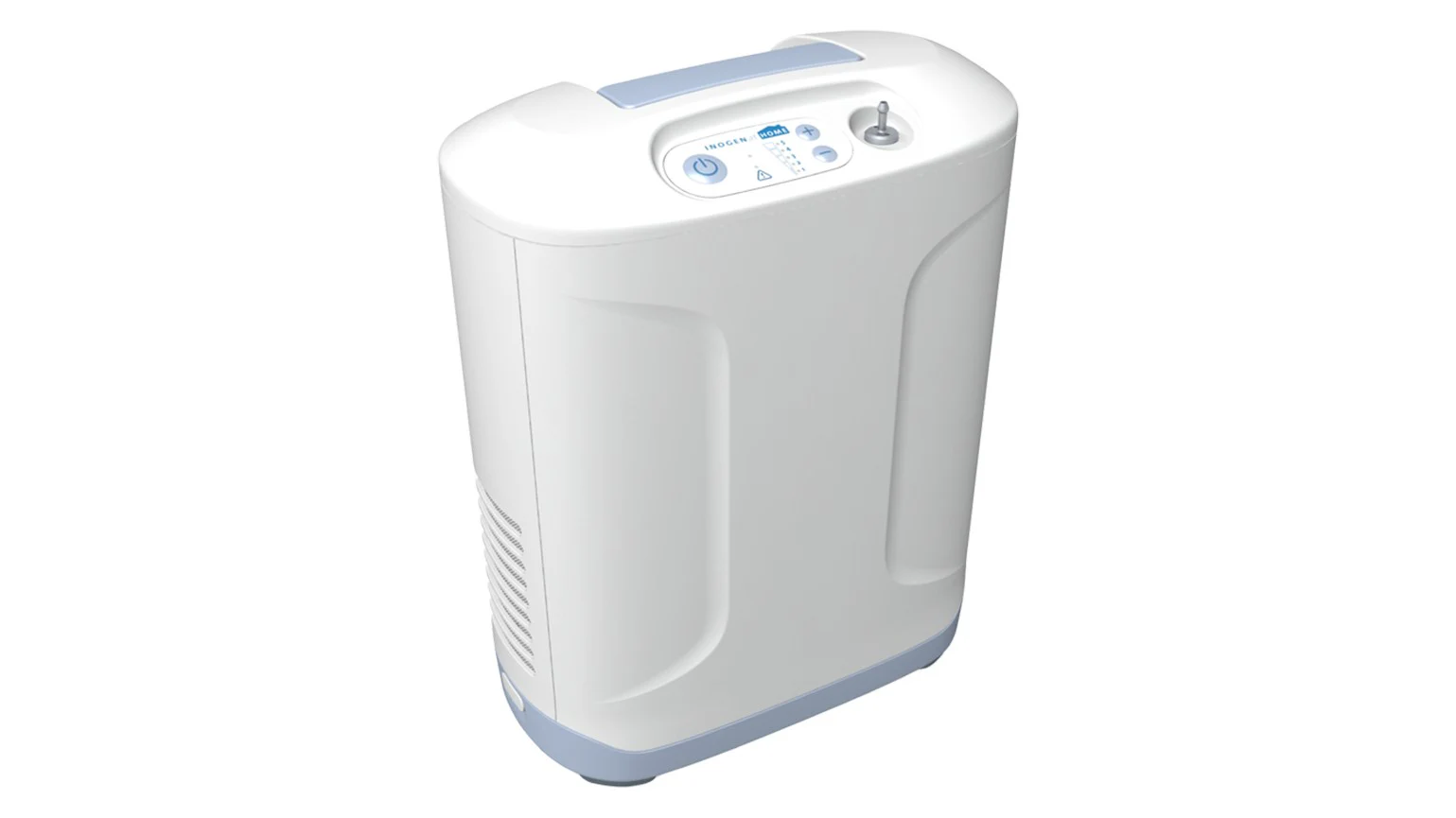
A 5-liter flow rate represents the key threshold for most home oxygen therapy requirements. Unlike smaller 1L or 3L units, 5 LPM oxygen concentrators can accommodate variable oxygen needs throughout the day. This makes them suitable for moderate respiratory cases where prescribed oxygen flow changes between rest and activity.
Quality 5 L concentrators provide stable oxygen output across the entire flow range (0.5 LPM to 5 LPM). This flexibility allows patients and clinicians to tailor oxygen delivery precisely to therapeutic requirements.
Note: Some concentrators can technically be split to deliver oxygen to two outlets using a Y‑connector, but this configuration is not recommended unless prescribed and supervised by a licensed clinician, as it reduces the flow available to each user.
Medical‑grade stationary concentrators are required to deliver oxygen concentrations within 90-96%, averaging 93 (± 3) percent. This purity closely matches oxygen cylinder standards while providing continuous generation without refilling.
High‑quality concentrators achieve this using molecular sieve technology with zeolite filters, which separate nitrogen from ambient air. Regular equipment testing helps ensure the device continues meeting medical specifications.
Noise levels strongly affect comfort for users relying on continuous oxygen therapy. Reliable 5 L units operate between 40 and 50 decibels—approximately the sound level of a quiet conversation or gentle rainfall.
Well‑engineered systems use insulated compressors and sound‑dampening housings to minimize operational noise, allowing restful sleep and everyday activities.
Most 5 L‑per‑minute home concentrators consume between 250 and 350 watts of electricity, depending on the model, environment, and selected flow rate. Energy‑efficient systems may automatically reduce power draw at lower flow settings, resulting in lower energy costs and extended lifespan.
Comprehensive safety systems distinguish medical‑grade devices from basic air concentrators. Standard alerts include low oxygen purity, power failure, high temperature, and system malfunction.
Modern control panels typically feature digital displays showing flow rate, oxygen purity, and maintenance status—enabling patients and caregivers to monitor performance and react promptly to any issue.
Oxygen is non‑flammable but powerfully supports combustion, so home users must follow strict safety practices.
Never smoke, use open flames, or operate gas burners near oxygen equipment. Avoid candles, fireplaces, or petroleum‑based skin products like Vaseline around oxygen sources. Instead, use water‑based moisturizers and ensure family members and visitors understand these precautions.
Place the concentrator on a hard surface at least six inches from walls, curtains, or furniture to maintain airflow and prevent overheating. Do not store it in closets or enclosed cabinets. Keep it away from direct sunlight or heating vents to avoid unwanted temperature increases.
Clean the intake filter approximately once a week—or more frequently in dusty environments—with mild soap and water. Allow the filter to air dry thoroughly (30 minutes to 24 hours, depending on ambient conditions) before reinserting. Maintain a backup filter for uninterrupted operation.
Use a soft, damp cloth to remove dust and residue from the concentrator's outer surface. Avoid harsh chemicals, solvents, or heavy moisture. Inspect and replace oxygen tubing, nasal cannulas, and humidifier bottles periodically based on manufacturer guidance.
Acquiring a home oxygen concentrator requires a physician's evaluation and prescription. Medical professionals determine flow rate, duration, and equipment settings based on oxygen‑saturation testing and clinical history.
Follow all directions from your healthcare provider, and schedule routine maintenance checks to confirm that the oxygen concentrator continues delivering the prescribed oxygen purity and flow rate.
This blog is for educational purposes only and is not medical advice. Oxygen concentrators require a prescription and must be used under the oversight of a licensed medical professional. We encourage patients to research their options so they can have informed discussions with their provider.
Pricing and product availability mentioned in this post are subject to change. Please check the website for current pricing and stock information before making a purchase.


