Planning a kitchen renovation in Monmouth County? One overlooked detail about contractor registration could save you from personal liability if a worker gets injured on your property. Here’s what New Jersey homeowners need to verify before signing any contract.
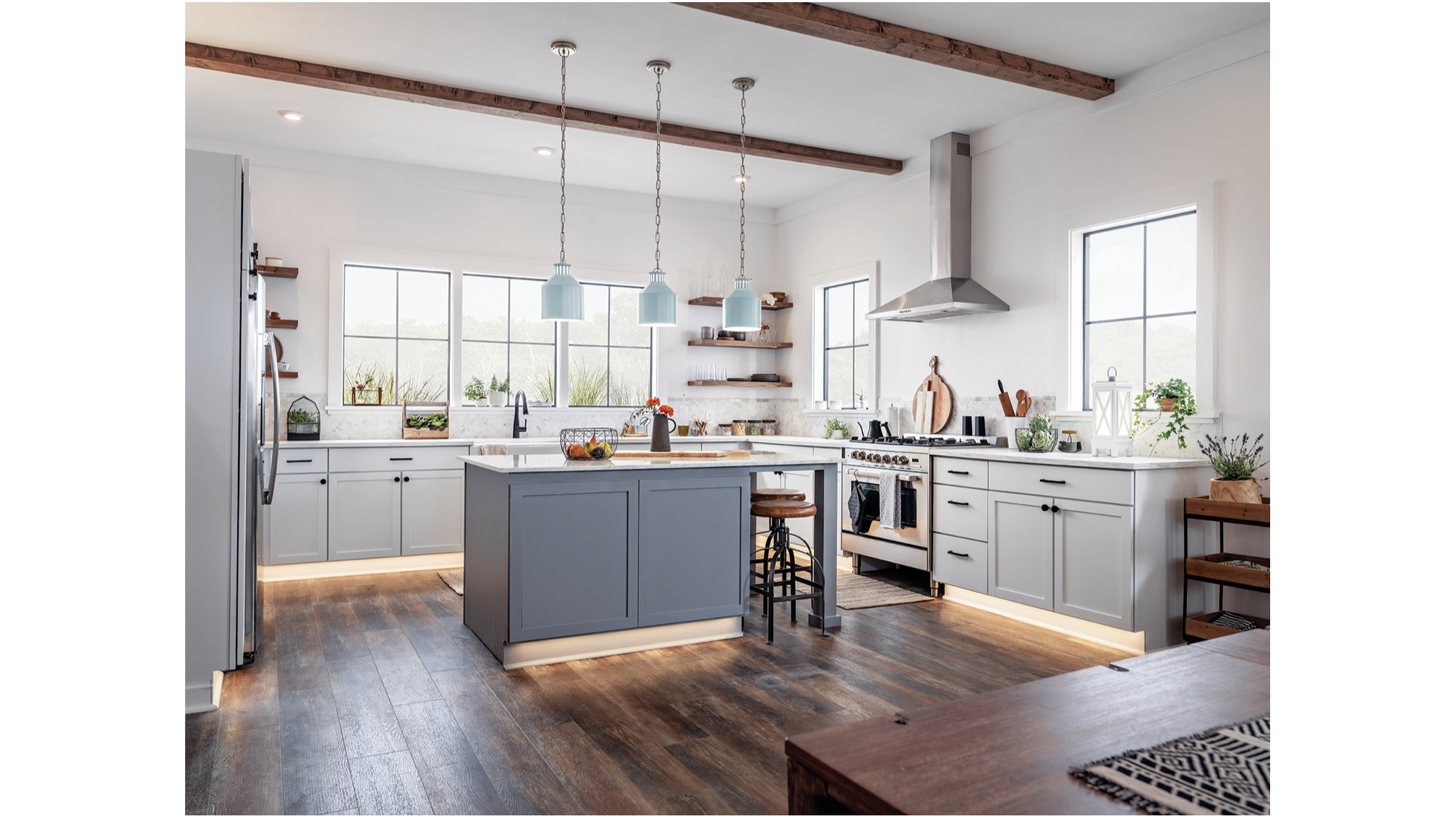
Choosing the wrong kitchen remodeling contractor is one of the most expensive mistakes a homeowner can make. A kitchen renovation is a major investment - one that touches plumbing, electrical, cabinetry, and structural elements all at once. In a competitive real estate market like Monmouth County, NJ, the stakes are even higher. The right contractor protects that investment. The wrong one can delay your project, inflate your costs, and create code violations that follow the home for years.
In New Jersey, general home improvement contractors are required to be registered with the NJ Division of Consumer Affairs - not simply licensed. Specific trades such as plumbing and electrical work carry their own separate licensing requirements. This distinction matters: registration is the baseline that separates legitimate professionals from unqualified operators. If a worker is injured on a job site and the contractor lacks workers' compensation coverage, the homeowner can be held liable.
Beyond paperwork, ask for at least three recent references from past clients - ideally from projects similar in scope to your own. Call those references. Ask whether the project finished on time, whether the final cost matched the estimate, and whether they would hire the contractor again. Platforms like Angie's List, Houzz, and Yelp can supplement that research, as can membership in professional organizations like the National Kitchen and Bath Association (NKBA), which signals a commitment to industry standards.
A reputable contractor will provide a written estimate that itemizes everything: scope of work, materials specified by brand and grade, labor costs, payment schedule, and a realistic project timeline. Vague estimates protect the contractor, not the homeowner. If the estimate says "countertops - $3,000" without specifying material, edge profile, or square footage, that is a problem waiting to happen mid-project.
The estimate should also clarify how subcontractors are managed. Many kitchen remodels involve licensed plumbers and electricians working under the general contractor's coordination. Knowing who is doing what - and who is responsible for their work - matters when something needs to be corrected later. Ask about workmanship warranties too. A contractor confident in their work backs it up in writing.
Certain patterns reliably predict a bad experience. Watch for these warning signs:
Many homeowners are surprised to learn how many kitchen remodel elements require a building permit in New Jersey. Under the state's Uniform Construction Code (UCC), any alteration to plumbing, electrical systems, or structural elements triggers a permit requirement. Specific requirements vary by municipality, so what applies in Red Bank may differ slightly from what is required in Middletown - but the general rule is clear: if something beyond cosmetic finishes is being changed, a permit is likely required.
Relocating a sink, adding a kitchen island with plumbing, or moving load-bearing walls all require permits and inspections. Electrical service upgrades - common in older Monmouth County homes that may have 60-amp panels - must be performed by a licensed electrician and inspected before walls are closed. Structural modifications, including opening a wall between a kitchen and dining room, often require engineered drawings.
New Jersey code mandates GFCI (Ground Fault Circuit Interrupter) outlets near all water sources in a kitchen. Ventilation hood installation and ducting also fall under permit requirements, as does any work involving gas lines for ranges or cooktops. These are not optional - an unpermitted gas line connection is a safety hazard and a liability when selling the home. A contractor who suggests skipping permits to save time is a contractor to avoid.
Monmouth County's shoreline communities - Rumson, Sea Bright, Monmouth Beach, Long Branch - present construction challenges that do not exist inland. Salt air accelerates corrosion of metal fixtures and degrades certain cabinet finishes over time. Coastal humidity causes wood to expand, warp, and swell in ways that are not a concern in drier climates. The difference between a kitchen that holds up for decades and one that shows wear within a few years often comes down to material selection and contractor knowledge.
Quartz countertops are widely recommended for coastal kitchens because the surface is non-porous - it resists moisture and staining without ever needing sealing. Granite is a durable alternative but requires annual sealing in coastal conditions. For flooring, luxury vinyl plank (LVP) and porcelain tile outperform solid hardwood in high-humidity environments because they are fully waterproof and dimensionally stable. A contractor working in these communities needs to understand these material distinctions at a technical level, not just aesthetically.
For homeowners in Monmouth County working through these decisions, PNE Construction LLC's kitchen remodeling services address the specific demands of coastal construction, from ventilation sizing to moisture-resistant material selection across communities like Rumson, Fair Haven, and Sea Bright.
Red Bank, Fair Haven, Highlands, and Atlantic Highlands are home to a significant number of Victorian-era and early 20th-century houses. Renovating the kitchen in a historic home often involves working within the requirements of local historical commissions in designated districts, and always requires a contractor who understands what is behind those old walls.
Older homes frequently have lower ceiling heights, structural walls in unexpected locations, outdated 60-amp electrical panels, and plumbing that needs rerouting before modern fixtures can be installed. At the same time, the character of these homes - original millwork, period-appropriate proportions, architectural details - is often a major part of their value. The best contractors working in historic Monmouth County homes balance modern functionality with preservation of that character, selecting materials and finishes that complement the home's era rather than clash with it.
A kitchen remodel in New Jersey typically yields a return on investment of 60-80% upon resale. Monmouth County's strong real estate market supports that range, and in competitive submarkets, an updated kitchen can meaningfully accelerate a sale or strengthen a negotiating position. Buyers in New Jersey respond well to move-in-ready kitchens, which makes renovation quality and timing both matter.
Mid-range renovations - typically in the $45,000-$75,000 range in Monmouth County - tend to outperform luxury upgrades in percentage ROI. A high-end remodel at $120,000 or more often cannot recoup its full cost at resale, while a well-executed mid-range project with quality materials and smart layout changes frequently sees strong returns. Minor updates in the $25,000-$45,000 range are the most popular entry point and work best when the existing layout is already functional. Kitchen remodel costs in New Jersey also run higher than national averages, driven by elevated labor rates and the need for specialized materials - particularly in coastal areas where moisture resistance is a requirement, not an upgrade.
Before committing to a contractor, get clear answers to the following:
A contractor who answers these confidently and without hesitation is generally one worth trusting. Evasiveness on any of these points is a signal worth taking seriously.
Choosing a contractor with genuine local experience in Monmouth County is a practical advantage, not just a convenience. A local contractor already knows which municipalities require specific permit documentation, how coastal building inspectors evaluate moisture management systems, and what materials hold up in shore conditions versus inland ones. That knowledge reduces delays, avoids costly mistakes, and results in a finished kitchen built for the environment it actually lives in.
Licensing and registration, verified references, detailed written estimates, permit knowledge, and environment-specific expertise together separate a successful kitchen remodel from a stressful one. Every one of these criteria is worth the time it takes to verify before a contract is signed.
To get kitchen remodeling options across Monmouth County - from Rumson to Red Bank to Long Branch - PNE Construction LLC offers free estimates and brings the local expertise that coastal and historic New Jersey homes require.


