Starting your guitar journey shouldn’t feel overwhelming, but the wrong starter kit choice can kill your musical dreams before they begin. A few specific models dominate the beginner market for very different reasons. Learn more in this expert-authored guide.
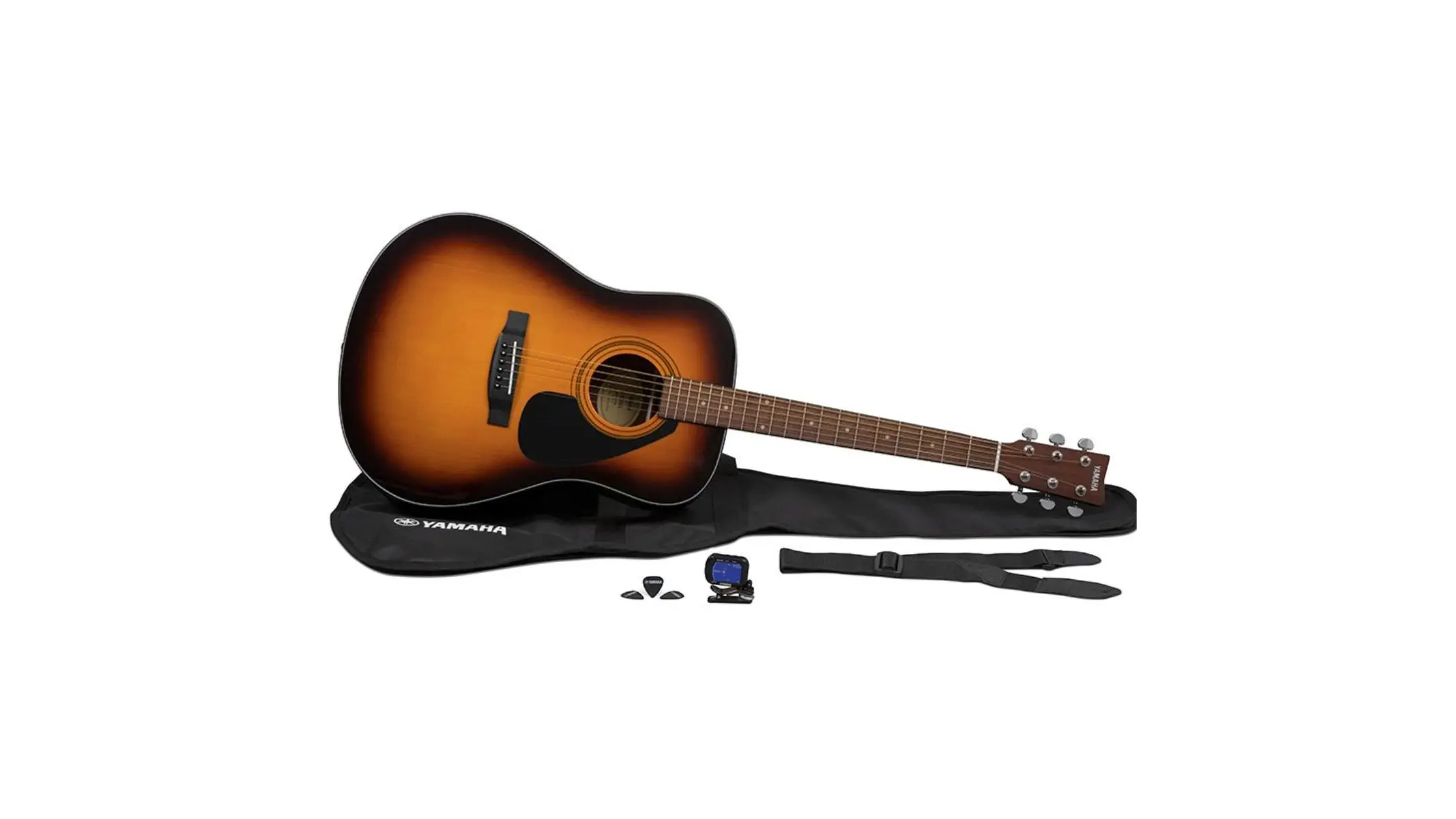
Starting a musical journey requires the proper foundation, and choosing an acoustic guitar starter kit can feel overwhelming with countless options flooding the market. The difference between a frustrating first experience and falling in love with music often comes down to selecting gear that matches both skill level and musical goals.
A quality starter kit eliminates guesswork by packaging everything needed to begin playing immediately. These bundles often provide cost savings compared to purchasing items separately, while ensuring compatibility between components. Most importantly, they prevent the common mistake of buying a guitar without essential accessories, leaving new players unable to tune, protect, or properly maintain their instrument.
The best kits balance value with quality, avoiding the cheapest options that might discourage learning through poor playability. Top retailers like Sam Ash offer carefully curated starter packages that match beginner needs with reliable instruments and accessories. Premium kits often include setup services, ensuring the guitar plays comfortably from day one.
Smart kit selection considers the player's age, musical interests, and practice environment. Adult learners benefit from full-size instruments with robust construction, while younger players need appropriately scaled guitars that won't overwhelm smaller hands and shorter arms.
Not all guitar features carry equal importance for beginners. Focus on elements that directly impact playability and sound quality rather than cosmetic details that add cost without functional benefit.
Dreadnought guitars dominate the acoustic world with their powerful volume, strong bass response, and versatility across rock, country, and bluegrass styles. These larger-bodied instruments project sound effectively, making them ideal for campfire sessions and group playing situations.
Concert-style guitars offer more comfortable dimensions for smaller players while maintaining full, balanced tone. Their reduced body size makes fingerstyle techniques easier to execute, particularly for players with shorter reach or those preferring gentler playing styles.
Grand Auditorium designs split the difference, providing dreadnought power with concert comfort. This versatile option accommodates both strumming and fingerpicking approaches, making it an excellent choice for players exploring different musical styles.
Spruce tops are widely favored for acoustic guitars, offering high rigidity combined with lightweight characteristics that create a powerful, clear tone. Sitka spruce particularly excels at retaining clarity even when played forcefully, making it perfect for diverse playing styles.
Cedar tops appeal to fingerstyle players through their quick response and warm, balanced sound. Western Red Cedar results in rich overtones that complement gentle playing techniques, though it may lack the punch needed for aggressive strumming.
Mahogany tops deliver a strong, punchy tone well-suited to country blues and folk styles. While offering less complexity than other tonewoods, mahogany provides a consistent, focused sound that cuts through mix situations effectively.
High-quality tuning machines with precise gear ratios allow accurate, stable tuning that holds pitch during playing sessions. Enclosed tuning machines resist rust and corrosion far better than open designs, requiring less frequent maintenance and lasting longer in varying climate conditions.
Look for tuning machines with smooth operation and minimal backlash - the slight delay when changing tuning direction. Quality mechanisms turn easily without binding while providing enough resistance to prevent accidental detuning during enthusiastic playing.
These models consistently earn praise from educators, music stores, and satisfied customers for their combination of playability, sound quality, and value.
Essential accessories transform a guitar from a wooden box into a complete musical system ready for learning and practice.
Clip-on tuners offer convenience and portability, attaching directly to the headstock and detecting string vibrations through the wood. Modern clip-on units provide sufficient accuracy for all beginner needs while remaining affordable and easy to use.
Pedal tuners typically offer superior accuracy and faster response times, but require additional investment and setup complexity that beginners rarely need. Save pedal tuners for later when performing live or recording becomes relevant.
Medium gauge picks (0.60-0.80mm) provide the best starting point, offering enough flexibility for comfortable strumming while maintaining enough rigidity for note definition. Include variety packs to experiment with different thicknesses as playing style develops.
Quality straps prevent dropped guitars while providing comfort during extended practice sessions. Look for padded options with secure locking mechanisms, fundamental when learning standing techniques or playing for longer periods.
Gig bags offer adequate protection for home practice and occasional transport while remaining affordable and lightweight. Padded versions protect against minor impacts and provide convenient storage for accessories like picks, tuners, and extra strings.
Hard cases provide maximum protection but add significant cost and bulk. The need for hard case protection depends on specific circumstances, such as frequent travel or storage conditions, though beginners may find gig bags sufficient initially.
A poor guitar setup creates unnecessary difficulty that can derail even motivated learners. Understanding these issues helps identify problems before they become insurmountable frustrations.
Intonation problems manifest as guitars that sound in tune when playing open strings but become increasingly out of tune as notes move up the neck. Common causes include high action, worn strings, or improperly filed nuts that affect string length and tension.
Simple solutions often involve fresh strings and minor action adjustments. However, significant intonation issues may require professional setup work, including nut filing or saddle adjustment that exceeds typical beginner capabilities.
Action height measures the distance between strings and frets at the 12th position. Comfortable playing typically requires approximately 6/64" on bass strings and 4/64" on treble strings, though optimal measurements can vary based on player preference and specific guitar characteristics.
High action makes fretting difficult and discourages learning, while overly low action creates buzzing that masks note clarity. Most quality beginner guitars arrive with acceptable action, but climate changes and string tension can alter these measurements over time.
Choosing the right acoustic guitar starter kit sets the foundation for years of musical enjoyment and growth. Focus on reputable brands that balance quality with value. Consider the player's physical size, musical interests, and practice environment when selecting body style and accessories. Above all, choose an instrument that's well set with a reasonably low action and good intonation.
Ready to begin your acoustic guitar journey? Visit a trusted online retailer to browse their complete selection of beginner-friendly acoustic guitars and starter kits today!


