Discover why your puppy’s wild behavior isn’t defiance and which mental exercises work better than hours of physical activity. These science-based techniques address the root causes of hyperactivity without punishment, showing real results within weeks.
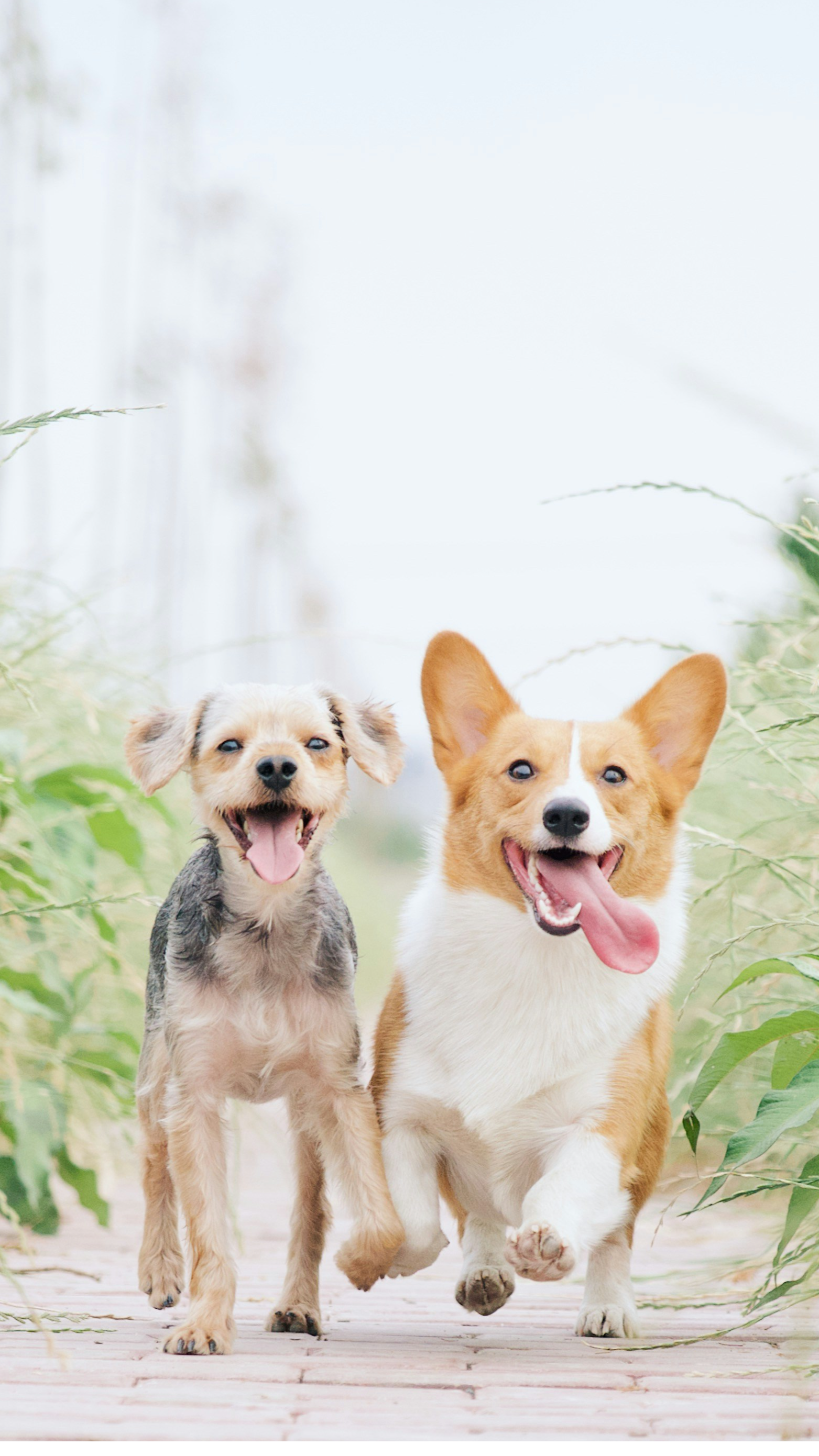
Your new puppy races through the house, jumps on everyone, and won't settle down at bedtime. Many owners wonder if brain training techniques that build calm, obedient behavior could help their energetic pup focus better.
The truth is that most puppy craziness comes from totally normal stuff you can fix without yelling or punishing. Here's exactly what causes that wild behavior and the simple tricks that actually work to calm them down.
Puppies act hyper for lots of reasons, but actual medical hyperactivity called hyperkinesis is pretty rare in dogs. Most puppies just have normal puppy energy combined with being anxious about their new home and missing their mom and siblings. Working breeds like Border Collies, Labs, and Australian Shepherds naturally have way more energy than other types of dogs.
Your home environment makes a huge difference in whether your puppy learns to chill out or stays wound up all the time. Puppies copy the energy level around them, so a loud, busy house makes it hard for them to relax. When there's no set schedule for meals, walks, and bedtime, puppies stay alert and excited because they never know what's happening next.
When your puppy jumps or barks, giving them any attention at all teaches them that acting wild gets results. Even when you yell "no" or push them away, your puppy thinks they've won because they got you to interact with them. This creates a loop where your puppy acts crazier and crazier to get your attention throughout the day.
Puppies also get extra hyper when they're actually overtired, just like little kids who fight sleep and get cranky. Many owners think their puppy needs more exercise, but too much activity makes young puppies exhausted and unable to calm themselves down. The key is finding the right balance of activity and rest for your puppy's age and breed type.
Puppies feel safer and calmer when they know what to expect from their day, so consistent routines really matter. Feed your puppy at the exact same times each day, take them out to potty on a schedule, and start bedtime routines at the same time nightly. This predictable pattern helps their body know when to be active and when to rest naturally.
Your puppy needs their own quiet spot where they can escape when things get too exciting or overwhelming for them. Set up a crate or playpen in a calm corner with comfy bedding, water, and safe chew toys inside. Teaching your puppy to love this space gives them a healthy way to calm themselves instead of getting more worked up.
The five-minute rule helps you figure out how much exercise your puppy actually needs without overdoing it. For every month old your puppy is, they need five minutes of structured exercise like walks or fetch, twice each day. A three-month-old puppy only needs fifteen minutes of activity twice daily, not the long walks many people try.
Different breeds need different kinds of activities to feel satisfied and avoid getting frustrated, which often shows up as hyperactivity. Herding breeds love games where they chase and gather things, while hunting breeds prefer searching for hidden toys or treats. Giving your puppy the right type of exercise for their breed helps them use their natural instincts in good ways.
Using their brain for problem-solving and learning wears puppies out way faster than just physical exercise ever could. Puzzle feeders that make puppies work to get their food keep them busy and focused for twenty to thirty minutes at a time. Short training sessions where you teach new tricks or practice commands create the kind of tired that leads to calm behavior.
Try these mental activities that really work:
Creating a calm evening routine tells your puppy that crazy playtime is over and it's time to relax for bed. Gentle brushing while you talk in a quiet, soothing voice helps lower your puppy's heart rate and excitement level naturally. Playing soft classical music or white noise in the background creates a peaceful feeling that helps anxious puppies settle down.
Giving your puppy something appropriate to chew about an hour before bed helps them relax through the natural calming effect of chewing. The repetitive chewing motion releases feel-good chemicals in their brain while keeping them busy in a quiet, focused way. Safe puppy chew toys, rope toys, or special teething treats work great for this calming evening activity.
Some puppies benefit from natural calming ingredients when training and routine changes alone don't quite do the trick for their anxiety. Chamomile, valerian root, and L-theanine are gentle supplements that help puppies relax without making them sleepy or changing their personality. These work best as part of your overall training plan, not as a magic fix by themselves.
Special products that release synthetic pheromones can help puppies feel more secure by mimicking the calming scent their mother produced. You can get these as plug-in diffusers, sprays for bedding, or collars that release the pheromones all day long. Snug-fitting anxiety wraps put gentle pressure on your puppy's body, which naturally helps many puppies feel calmer during stressful times.
Sometimes a puppy's behavior goes beyond normal puppy energy and needs a vet or professional trainer to evaluate what's happening. If your puppy can't settle even in quiet rooms, pants heavily when resting, or acts impulsively no matter what you try, they might have hyperkinesis. This rare condition is like ADHD in humans and needs special medicine plus behavior training to manage properly.
A good professional trainer can figure out if your puppy is anxious, bored, or dealing with something else causing the hyperactive behavior. They'll create a training plan just for your puppy and teach you exactly how to handle their specific energy issues. Getting professional help early stops small problems from turning into big behavior issues that are harder to fix later.
Your puppy won't be this crazy forever, but the habits you teach now shape the adult dog they become. Being consistent matters way more than being perfect, since puppies need time to learn new patterns and behaviors.
Most puppies calm down a lot within two or three weeks of starting these routines and mental exercises. Remember that rewarding quiet behavior while ignoring crazy antics teaches your puppy the best way to get your attention - and structured brain training programs give you step-by-step methods to develop the focused, well-behaved adult dog you've always wanted.


