If your cat is hiding, over-grooming, or acting aggressive, anxiety might be the culprit—but most owners miss the early warning signs. Pet anxiety experts reveal which calming strategies actually work and when professional intervention becomes necessary.
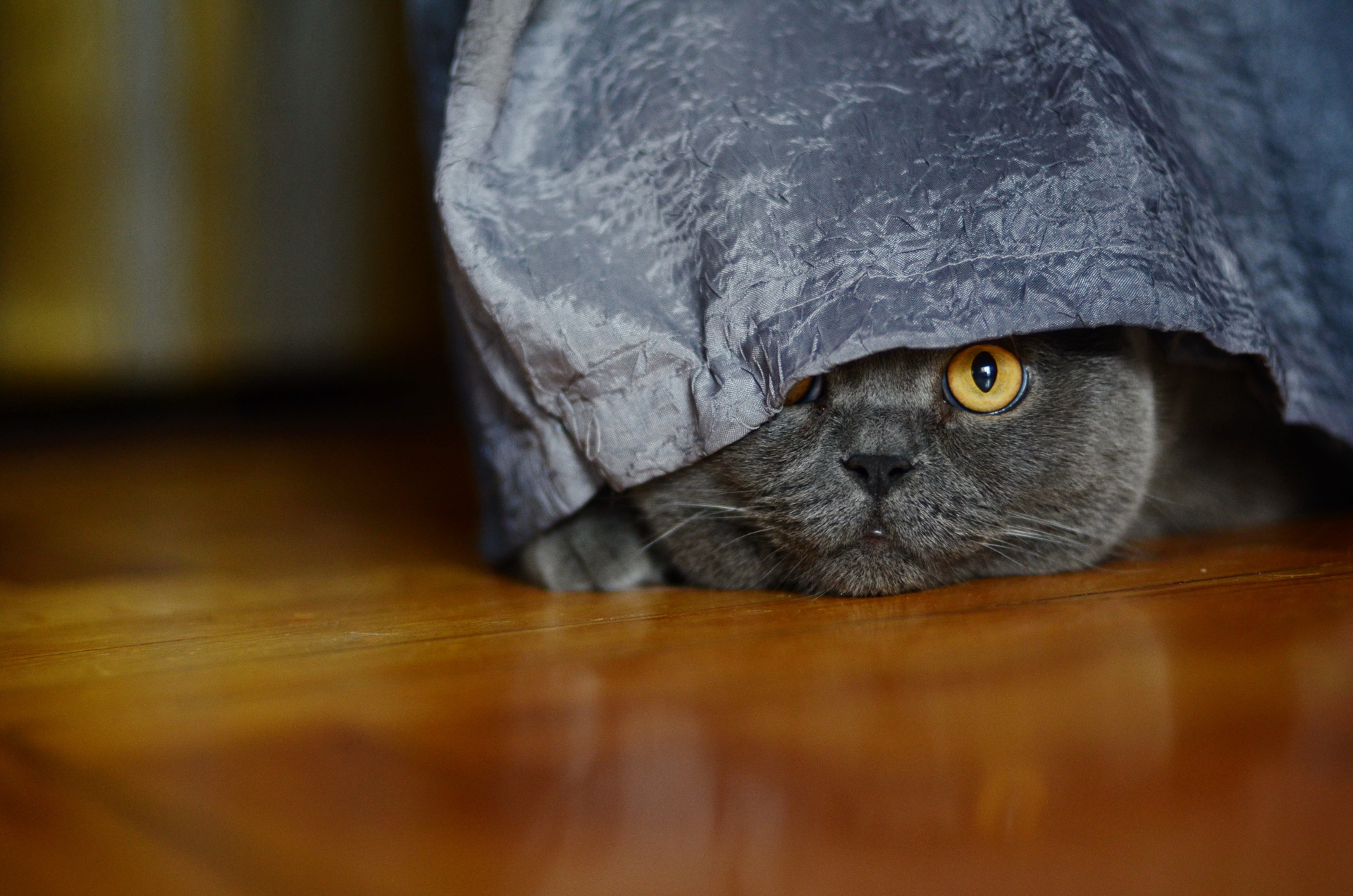
Cats are naturally sensitive creatures of habit, making them particularly vulnerable to anxiety when their familiar routines get disrupted. Unlike dogs, who often display obvious signs of distress, cats tend to internalize their stress in more subtle ways that many owners initially overlook or misinterpret as typical feline aloofness.
The most common triggers for feline anxiety include major life changes like moving homes, introducing new pets or family members, schedule disruptions, and even seemingly minor alterations to their environment such as rearranged furniture or different litter brands. Cats also develop anxiety from traumatic experiences, medical conditions causing physical discomfort, and inadequate socialization during their critical kitten development period.
Recognizing anxiety symptoms early is vital for preventing more serious behavioral and health issues. Aside from keeping cats calmer at home, a more relaxed feline will also allow owners to make use of local pet care services when needing to travel or during house moves. Cats exhibiting classic anxiety behaviors, which can include inappropriate urination outside the litter box, excessive grooming that leads to hair loss, aggressive defensive reactions, increased vocalization especially at night, destructive scratching or chewing, and significant appetite changes, often find it difficult to get the right level of support both inside and outside of the home. The pet experts at Illinois-based Belle Aire Kennels say that early intervention is vital for successful treatment outcomes, as these behaviors often worsen gradually.
Creating a designated retreat area serves as the foundation for anxiety management in cats. This space should be quiet, dimly lit, and physically separated from household traffic and other pets. The ideal safe space includes a comfortable bed, food and water stations positioned away from the litter box, at least one scratching post, and a few favorite toys.
In multi-pet households, this becomes even more critical. Territorial anxiety often develops when cats feel their resources are threatened or when they lack sufficient individual space. The safe space allows anxious cats to retreat and decompress without feeling trapped or vulnerable to interruption from other pets or household activities.
Synthetic pheromone products like Feliway work by releasing chemical signals that replicate the comforting pheromones mother cats naturally produce to calm their kittens. These diffusers plug into wall outlets and provide continuous, odorless calming signals throughout the room for up to 30 days.
Veterinarians widely recommend pheromone therapy because it addresses anxiety at a biological level that cats instinctively understand. The effectiveness typically becomes noticeable within the first week of use, though some cats may require several weeks of consistent exposure to show significant improvement.
Cats thrive on predictability, making consistent daily schedules one of the most effective anxiety prevention strategies. Feeding times, play sessions, and human interaction should occur at roughly the same times each day, even during weekends or holidays.
When schedule changes become unavoidable, gradual transitions work better than sudden shifts. For example, if work schedules change, slowly adjust feeding times by 15-minute increments over several days rather than making immediate hour-long changes that can trigger anxiety responses.
Excess energy often manifests as nervous, anxious behavior in cats. Interactive play sessions using feather wands, laser pointers, or puzzle feeders help cats channel their energy constructively while building confidence through successful "hunting" experiences.
Mental stimulation proves equally important. Food puzzle toys, treat-dispensing balls, and rotating toy selections prevent boredom-induced anxiety. Cats require both physical exertion and mental challenges to maintain balanced emotional states, especially indoor cats with limited environmental variety.
Litter box anxiety represents one of the most common stress triggers for cats. Boxes should never be placed in corners or enclosed areas where cats might feel trapped. Multiple escape routes and clear sightlines help cats feel secure while using their litter facilities.
The general rule requires one litter box per cat plus one additional box, distributed across different areas of the home. In multi-level houses, at least one box should be available on each floor. Regular cleaning schedules and consistent litter types also prevent anxiety-inducing changes to this resource.
Desensitization involves exposing cats to their fear triggers at very low intensities while they remain calm and relaxed. This technique works by gradually increasing exposure levels over time, allowing cats to build tolerance and confidence without triggering panic responses.
For example, cats afraid of vacuum cleaner sounds can be desensitized by first playing recorded vacuum sounds at barely audible volumes during positive activities like treat time. The volume gradually increases over weeks or months as the cat demonstrates comfort at each level. Success requires patience and careful observation of the cat's stress signals to avoid moving too quickly.
Counterconditioning teaches cats to associate previously frightening stimuli with positive experiences. This technique changes the cat's emotional response from fear to anticipation of good things.
The most effective approach pairs the anxiety trigger with high-value rewards like special treats, favorite toys, or beloved activities. For instance, cats afraid of strangers can be taught to associate visitor arrivals with receiving their favorite treats. Over time, the sound of the doorbell transforms from a stress signal into a dinner bell, fundamentally altering the cat's emotional response.
Professional intervention becomes necessary when anxiety symptoms interfere with basic life functions or when home management strategies fail to provide relief after 4-6 weeks of consistent implementation. Veterinary consultation is needed if cats stop eating, develop repetitive self-injury behaviors, or show signs of depression such as complete withdrawal from social interaction.
Medical evaluation should also occur when anxiety symptoms appear alongside potential health issues. Many conditions including urinary tract disease, arthritis, and hyperthyroidism can cause behavioral changes that mimic or exacerbate anxiety. Ruling out underlying medical causes ensures appropriate treatment targeting the root problem.
Veterinarians may prescribe anti-anxiety medications for severe cases that don't respond to environmental and behavioral modifications alone. These medications fall into two categories: fast-acting options for specific stressful events and longer-term daily medications for generalized anxiety disorders.
Board-certified veterinary behaviorists represent the highest level of specialized care for complex anxiety cases. These professionals complete additional years of training specifically focused on animal behavior and must pass rigorous examinations to maintain their certification. The American College of Veterinary Behaviorists certifies these specialists who work closely with primary veterinarians to develop treatment plans.
Even after establishing a relaxed home environment where the cat feels comfortable and safe, progress can be disrupted if the pet needs to be boarded due to holidays or unexpected travel. Professional pet care facilities play an important role in supporting cats with anxiety, especially during necessary separations from their owners. Quality boarding facilities understand that anxious cats require specialized environmental considerations beyond basic care needs.
Modern approaches to cat boarding focus on creating calm, low-stress environments through careful facility design, individualized care protocols, and staff training in feline behavior recognition. Features like separate cat areas away from dogs, quiet spaces with hiding options, consistent care routines, and gradual introduction processes help minimize boarding-related anxiety while maintaining the cat's emotional well-being during their stay.


