Misaligned doors and sagging closet shelves reveal installation shortcuts that cost homeowners thousands in repairs. From testing weatherstripping to checking hardware alignment, these expert techniques help homeowners spot quality work before problems develop.
Most homeowners spot installation problems weeks after contractors leave, once doors stick or closet hardware starts failing. When professional door installation goes wrong, even expensive materials can't save a project from becoming a daily frustration, says a North Jersey-based expert from One Day Doors & Closets.
Knowing what separates solid professional work from sloppy shortcuts protects your investment and saves you from costly repairs down the road. Here's exactly what to look for.
Beautiful doors mean nothing if they drag across your floor every time you open them. Similarly, gorgeous closet systems lose their appeal when shelves sag after a few months of normal use.
Most people judge installation by appearance alone, missing the technical details that determine whether everything works properly for years or falls apart quickly. A door that looks great but wasn't hung level will let cold air slip through gaps, wasting energy and money on heating bills. Meanwhile, closet systems installed without hitting wall studs eventually pull away from the walls, sending your belongings crashing down.
These problems don't show up immediately, which is why they catch homeowners off guard. By the time you notice something's wrong, the contractor has moved on to other jobs.
Start by checking whether the door sits level in its frame, creating gaps around all edges that measure roughly the same width. These spaces should run consistently from top to bottom and side to side, though perfection isn't realistic in older homes with settled frames.
Next, open and close the door several times while paying attention to how it moves. Smooth operation without catching or scraping indicates the installer took time to adjust everything correctly. If the door swings open or closed on its own when left halfway, the frame wasn't installed level.
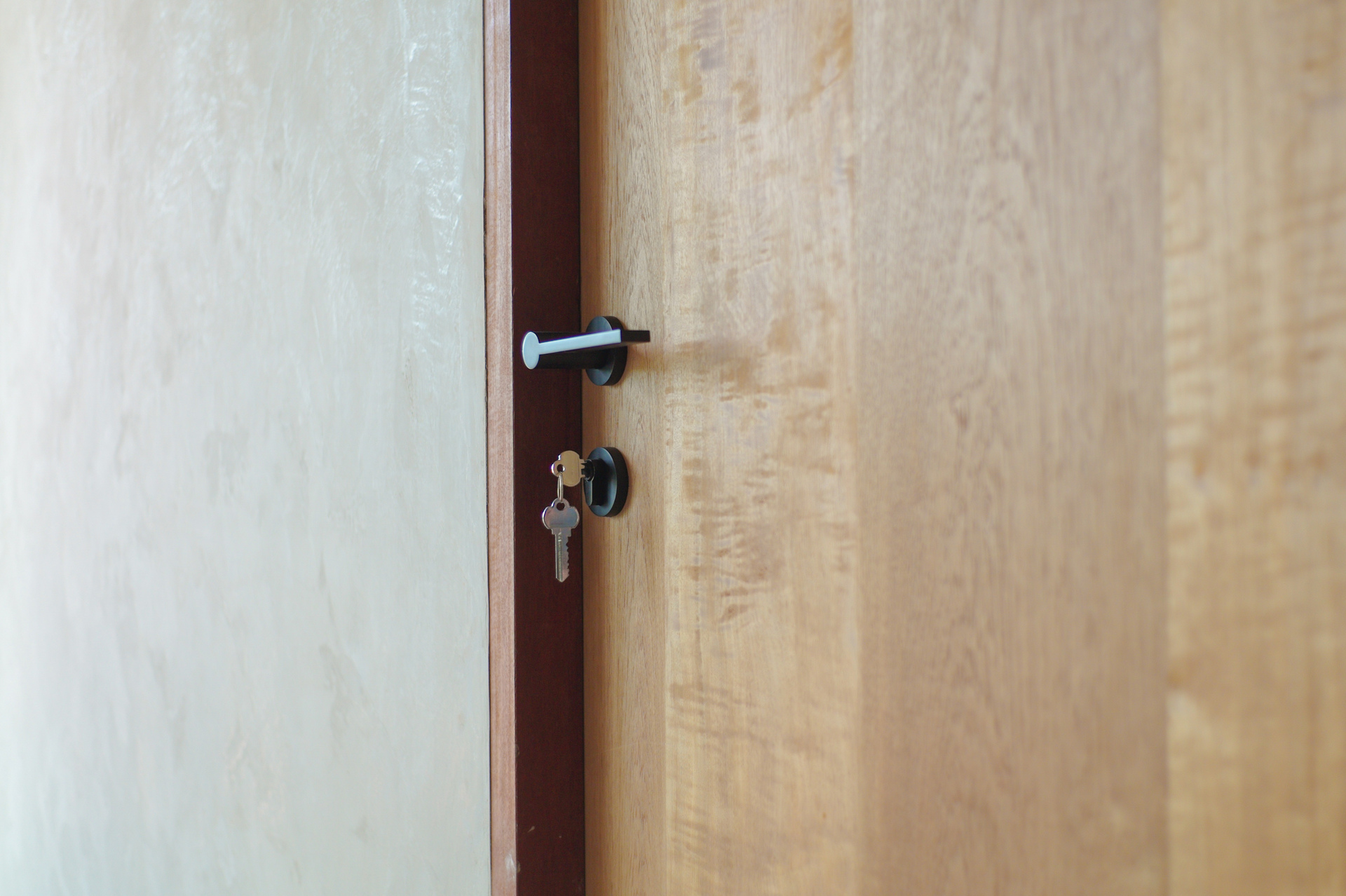
Hardware tells its own story about installation quality. Handles and locks should sit flush without wobbling, and hinges need to align perfectly in their cutouts. When you turn a doorknob, it should operate easily without forcing or struggling against misaligned parts.
For exterior doors, weatherstripping creates the seal that keeps the weather outside where it belongs. Test this by closing a piece of paper in the door at different spots, then trying to pull it out. Proper weatherstripping grips firmly enough that the paper won't slide free easily.
Materials matter more in closets than most people realize, since flimsy components bend and break under the weight of everyday items. Run your hand along shelves to feel whether they're made from substantial wood, quality plywood, or high-grade engineered materials rather than thin particleboard.
Check how components fit together at corners and joints. Tight connections without visible gaps show that measurements were precise and assembly was careful. Loose joints indicate rushed work that won't hold up over time.
Pull drawers all the way out and push them back in while listening for scraping sounds or feeling for resistance. Quality slides operate silently and smoothly, supporting full loads without binding or tilting to one side.
Hardware receives constant use in closets, so it needs to withstand daily wear without loosening or breaking. Brackets should hold shelves firmly, even when loaded with heavy items, while handles need secure attachment using proper fasteners instead of cheap screws that strip easily.
Look at how the system meets your walls and ceiling. Professional work includes trim pieces that cover gaps cleanly rather than leaving rough edges exposed. Installers should work around outlets and switches without compromising structural strength or creating awkward gaps.
Alignment affects more than just appearance—it determines how well doors function over their entire lifespan. Use a level to check whether doors hang straight, since even small tilts create problems as houses settle and wood expands with humidity changes.
Measure the gap between the door bottom and the floor at several points across the width. Consistent spacing means the door was cut properly and the frame was installed level. Uneven gaps indicate sloppy measurements or rushed installation.
Behind finished trim, quality installers use expanding foam or proper insulation to fill spaces between frames and wall openings. You can't see this directly, but you'll feel drafts around poorly insulated doors or notice temperature differences near the frame.
Floor clearance needs careful attention, especially for exterior doors that must clear thresholds without scraping. Interior doors typically leave about half an inch, while exterior doors need slightly more space. Too little clearance causes binding, while excessive gaps let air and light leak through.
Even experienced contractors sometimes cut corners in ways that create problems months or years later. Doors installed without proper shimming behind hinges develop stress points where frames gradually pull away from walls despite tightened screws.
Closet systems attached only to drywall without hitting studs create dangerous situations. Over time, weight pulls fasteners through soft drywall, and entire systems can collapse. Professional installers locate studs carefully and use appropriate anchors when studs don't align with mounting points.
Using the wrong fasteners represents another common shortcut. Screws that are too short don't hold properly, while oversized screws split wood or poke through surfaces where they shouldn't appear. Each connection requires specific fastener types based on materials and weight loads.
Some installers skip insulation around door frames to save time, creating energy efficiency problems that cost homeowners money every month. Others fail to adjust doors properly after installation, leaving customers to deal with sticking and binding.
Thorough inspection before final payment protects you from accepting substandard results. Open and close each door at least ten times, feeling how it moves through its entire range rather than just checking whether it latches.
Doors should operate smoothly from start to finish without binding, catching, or requiring you to lift slightly to clear the floor. Any hesitation or resistance signals installation problems.
Test every drawer by pulling it completely out and pushing it back in, making sure the slides work properly and the drawers don't tilt or stick. Load shelves with reasonably heavy items to verify they support realistic weight without sagging.
Lock and unlock all hardware multiple times to confirm proper engagement. Keys should turn smoothly, privacy locks should work from both sides, and deadbolts should extend fully into strike plates with solid resistance.
Walk away and return with fresh eyes after your initial inspection. Problems you missed the first time often become obvious when you look again without the installer standing nearby.
Quality installation requires more time, better tools, and greater expertise than budget options, but the difference becomes clear within months. Properly installed doors and closets function flawlessly year after year, while cheap installations develop problems that require repairs or complete replacement.
Licensed professionals understand building codes and manufacturer requirements that affect warranty coverage. They know how to handle complications like uneven floors, out-of-plumb walls, or structural issues that would stop less experienced workers.
Warranties and ongoing support from reputable installers provide peace of mind worth considering. When problems develop, they'll return to make adjustments rather than disappearing after receiving payment.
Professional installers also carry insurance that protects you if something goes wrong during the project. Unlicensed contractors might offer lower prices, but you'll shoulder all liability if they damage your home or get injured on your property.
Understanding what separates quality work from mediocre installation helps you make informed decisions when hiring contractors or evaluating homes you're considering purchasing. These principles apply regardless of style, materials, or price point.
Careful inspection before accepting work prevents expensive repairs and ongoing frustration caused by shortcuts during original installation. Quality closet and door installation combines proper materials with expert craftsmanship for results that last for decades.


