Washington DC homeowners face the 4th worst termite problem in America, but most don’t realize the damage until it’s too late… and insurance won’t cover the $3,000+ repair bill. Here’s what’s silently destroying foundations right now.
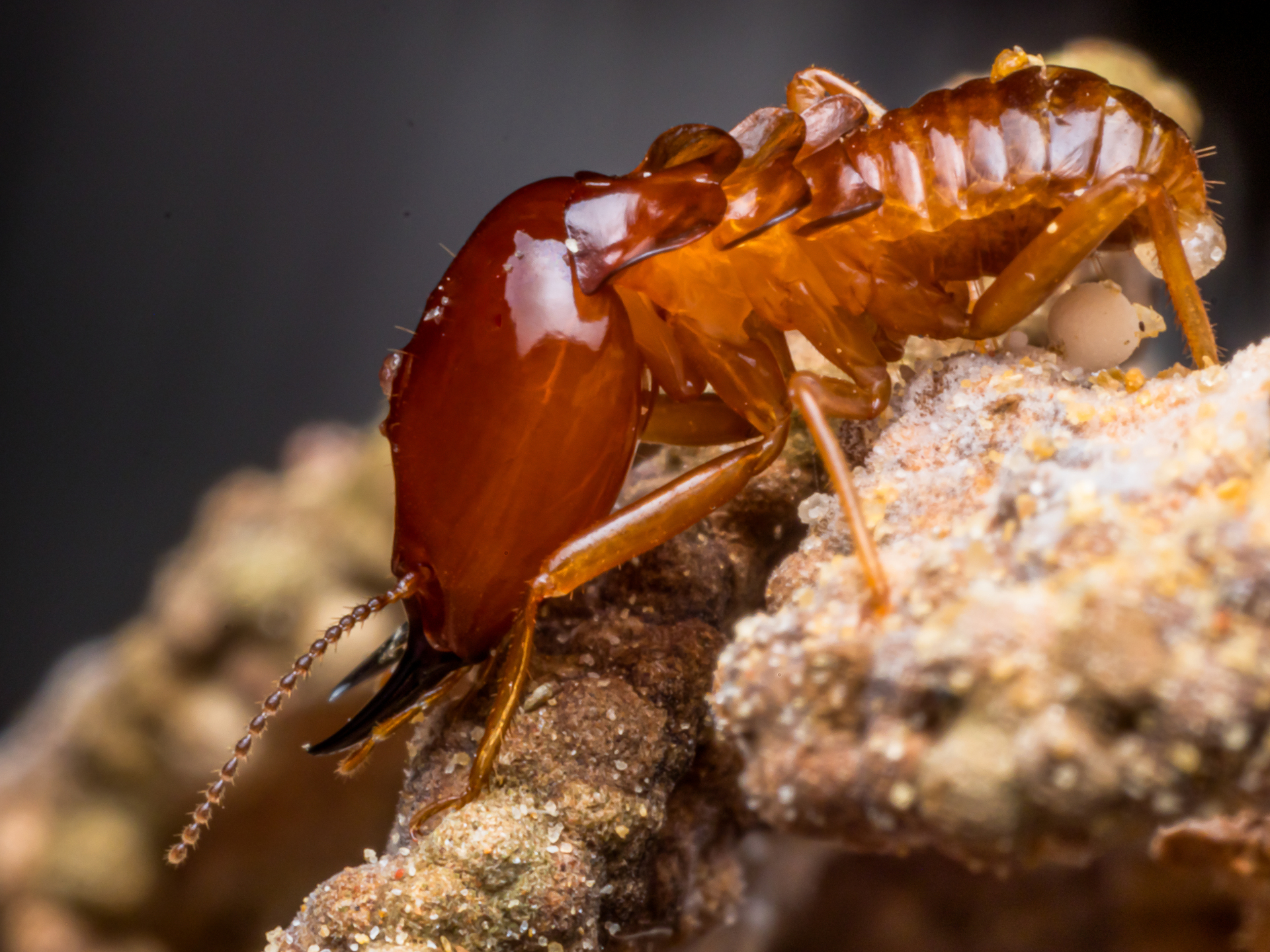
Every spring, millions of winged termites take flight across the Washington DC metropolitan area, searching for the perfect location to establish new colonies. Unfortunately, many find exactly what they're looking for in the foundations of local homes - beginning a destructive process that costs area homeowners millions of dollars annually. And spring is coming very soon.
Washington DC has earned an unwelcome distinction in Orkin's 2025 annual Termite Cities list, ranking as the fourth most termite-infested city in America. This ranking reflects the high volume of residential termite treatments performed throughout 2024, highlighting the severe threat these destructive insects pose to area homeowners.
The area's climate creates ideal conditions for subterranean termites to thrive year-round. Unlike northern regions where cold winters slow termite activity, the relatively mild DC winters allow colonies to remain active and continue feeding on wooden structures throughout most of the year. Teams like Connor's Pest Pros provide same-day termite treatment services specifically designed to address the unique challenges facing homeowners in this high-risk region.
Termites inflict an estimated $30 billion in damage annually to crops and structures across the United States, with homeowners bearing approximately $5 billion of that burden through control measures and repair costs. This staggering figure represents one of the most significant threats to residential property values nationwide, yet many homeowners remain unaware of the financial risk lurking beneath their foundations.
Most homeowners learn the harsh reality of termite damage when they receive their insurance claim denial letter. Standard homeowner's insurance policies exclude termite damage and removal costs, classifying infestations as preventable through routine maintenance. This policy stance leaves property owners personally responsible for repair bills that average $3,000 but can escalate to $37,500 for major structural repairs.
Insurance companies justify this exclusion by arguing that regular inspections and preventive treatments can identify and stop termite activity before significant damage occurs. However, subterranean termites are nicknamed "silent destroyers" precisely because they can cause extensive structural damage without visible surface signs, making early detection challenging for untrained homeowners.
A single subterranean termite colony operates like a highly efficient demolition crew, working around the clock to systematically weaken wooden structures. These colonies can contain hundreds of thousands to millions of individuals, each specialized for different tasks within their underground society. Worker termites focus exclusively on harvesting cellulose from wooden structures, while soldier termites guard tunnels, and reproductive termites ensure colony expansion.
Subterranean termites can't survive in dry conditions, requiring constant moisture to maintain their soft bodies. To bridge the gap between their underground colonies and above-ground food sources, they construct elaborate transportation networks that turn home foundations into termite highways.
Termites build protective mud tubes using soil particles, wood fragments, and saliva to create moisture-controlled pathways from underground colonies to wooden structures. These tubes, typically about the width of a pencil, shield worker termites from dry air and predators while providing safe passage for continuous food transportation.
Mud tubes often appear on foundation walls, basement walls, or other masonry surfaces where termites need to traverse from soil to wood. The tubes may extend several feet vertically and can branch into complex networks that provide multiple access points to different areas of a structure. Fresh tubes appear moist and pliable, while older abandoned tubes become dry and brittle.
When worker termites find a new food source, they release chemical pheromones that serve as recruitment signals for other colony members. These odor trails create invisible highways that guide additional workers to profitable feeding areas, rapidly escalating the number of termites attacking wooden structures.
The pheromone communication system allows termite colonies to efficiently allocate their workforce to the most productive food sources. As more workers follow pheromone trails to a particular location, they reinforce the chemical signals, creating a positive feedback loop that concentrates colony resources on the most accessible wooden structures.
Subterranean termites eat wood 24 hours a day, seven days a week, focusing on the softer cellulose components within timber structures. They typically consume wood along the grain, creating hollow galleries that weaken structural integrity while leaving exterior surfaces intact, making damage detection extremely difficult.
This continuous feeding pattern allows relatively small numbers of termites to cause extensive damage over time. Worker termites process consumed wood within their digestive systems, breaking down cellulose with the help of symbiotic microorganisms before returning nutrients to the colony through regurgitation and waste elimination.
To recognize termite activity, you must first understand the subtle signs these secretive insects leave behind. Most homeowners only learn about infestations after significant damage has already occurred, so early detection is vital for minimizing repair costs and structural compromise.
Discarded termite wings near windows, doors, or light fixtures indicate recent swarming activity in the immediate area. Swarmers shed their wings after finding mates and suitable nesting locations, leaving behind translucent wing remnants that homeowners often mistake for flying ant debris. Termite wings appear uniform in size with straight, parallel veins, unlike ant wings which vary in size.
Mud tubes on foundation walls, crawl spaces, or basement areas provide the most visible evidence of active termite infestations. These earthen tunnels may appear as thin lines climbing walls or thicker deposits where multiple tubes converge. Breaking open fresh tubes may reveal live termites inside, confirming active infestation rather than historical activity.
Wood that produces hollow sounds when tapped may indicate internal termite damage, particularly in areas near foundations, floor joists, or window frames. This acoustic change occurs as termites consume the interior wood structure while leaving thin exterior shells intact.
Paint damage, including bubbling, peeling, or discoloration, can result from moisture changes caused by termite tunneling activities. Termites introduce moisture into wooden structures through their mud tube construction and waste elimination, creating conditions that cause paint and other finishes to fail prematurely. Additionally, hard-to-open windows or doors may indicate structural shifting caused by termite damage to supporting wooden elements.
The complexity of termite colony behavior and biology makes effective treatment challenging for homeowners using retail products. Professional pest control companies use research-backed treatment methods that target entire colonies rather than just visible termite activity.
Scientific studies show that termite bait systems are highly effective for colony elimination and can be a very useful pest control tactic, particularly in situations where liquid treatments may be less effective or undesirable. A California research project found that bait stations effectively eliminated western subterranean termites and prevented structural infestations over a two-year monitoring period, with no re-detection of colonies previously treated with bait systems.
Bait systems work by exploiting termite feeding behaviors and social structure. Worker termites carry poisoned bait back to colonies, where they share it with other members through food regurgitation and grooming activities. This transfer mechanism allows relatively small amounts of active ingredient to eliminate entire colonies, including reproductive members hidden deep underground.
Professional termite protection plans typically cost $300 to $800 annually, representing a fraction of average termite damage repair expenses. This proactive investment provides ongoing monitoring, treatment adjustments, and professional expertise that significantly reduces the likelihood of costly structural damage.
Beyond direct repair costs, termite damage can reduce property market values and complicate real estate transactions. Buyers often negotiate lower purchase prices or request extensive inspections when termite history is disclosed, making prevention programs valuable for maintaining property investment returns. Professional protection plans include regular monitoring that can identify emerging problems before they escalate into expensive repair situations.
Some pest control companies address the urgent nature of termite infestations by offering same-day treatment services. Their approaches usually include thorough initial inspections, customized treatment plans, effective elimination protocols, and ongoing protection to prevent future infestations.
A typical termite treatment process will begin with a detailed property inspection that identifies active infestations, assesses damage levels, and determines optimal treatment strategies. DC technicians use professional-grade bait station systems and monitoring protocols designed specifically for the subterranean termite species common in the local region.
Since termite discoveries often create immediate concerns for homeowners, then, companies like Connor's Pest Pros provide free termite inspections and estimates to help property owners make informed decisions about protecting their investments.


