Wondering if zirconia bridges can handle the aesthetic demands of front teeth? A Roseville dentist reveals surprising insights about this metal-free option’s translucency properties and why traditional porcelain might not be your best choice.
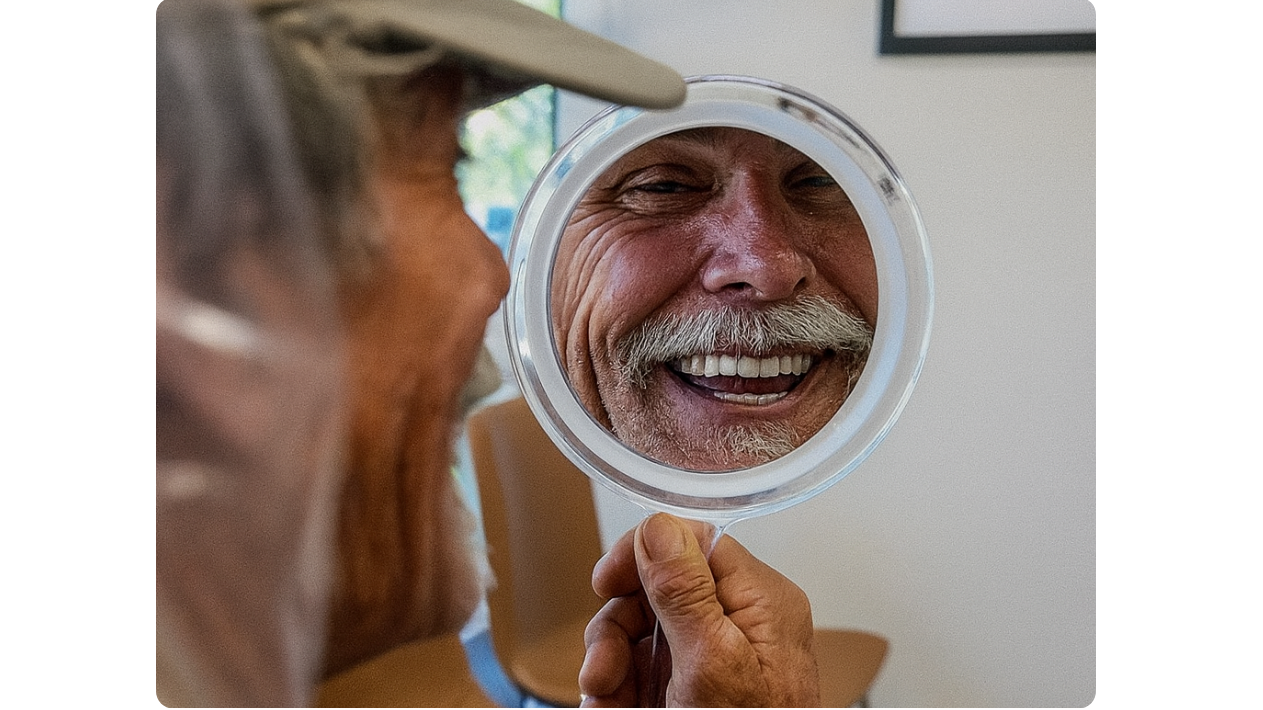
When considering front teeth restoration options, choosing the right material becomes crucial for both function and appearance. Front teeth endure constant visibility in social interactions, making aesthetic considerations just as important as structural integrity.
Zirconia bridges represent a breakthrough in dental restoration technology, particularly suited for front teeth applications. These advanced restorations combine the strength needed for daily function with the aesthetic qualities needed for a confident smile. The material's unique properties address common concerns patients face when replacing missing or damaged front teeth.
"Unlike traditional bridge materials, zirconia offers a metal-free solution that eliminates the risk of dark lines appearing at the gum line over time," says a dentist from Roseville-based Fusion Dental Implants. This characteristic proves especially valuable for front teeth, where even minor aesthetic flaws become highly visible.
The material's exceptional versatility allows dental professionals to create restorations that seamlessly integrate with existing teeth while providing the structural support necessary for long-term function. Modern zirconia formulations have evolved to offer enhanced translucency, making them virtually indistinguishable from natural tooth enamel in most lighting conditions.
Zirconia's translucent properties create an optical effect remarkably similar to natural tooth enamel. Light passes through the material in much the same way it interacts with natural teeth, producing the depth and vitality associated with healthy enamel. This translucency eliminates the flat, artificial appearance often associated with older restoration materials.
The material's ability to transmit light creates natural-looking variations in color and brightness across the tooth surface. These subtle changes mirror the complex optical properties of natural teeth, where light penetration varies depending on enamel thickness and underlying tooth structure. Modern zirconia formulations achieve this effect through carefully controlled crystal structure and processing techniques.
Advanced color-matching techniques allow dental professionals to create zirconia bridges that blend imperceptibly with surrounding natural teeth. The process involves analyzing multiple color parameters, including hue, chroma, and value, to achieve precise matches under various lighting conditions.
Skilled dental technicians can incorporate subtle color variations and characterizations that replicate the natural imperfections found in healthy teeth. These details include slight color gradients from the gum line to the biting edge, surface texture variations, and the translucency changes that occur naturally in tooth enamel. The result creates restorations that appear completely natural even under scrutiny.
Zirconia's non-porous surface structure provides exceptional resistance to staining from common culprits like coffee, tea, wine, and tobacco. This stain resistance ensures that the initial color match remains accurate over years of use, unlike some materials that may yellow or discolor over time.
The material's smooth, glass-like surface also resists plaque accumulation, making daily oral hygiene more effective. This characteristic helps maintain both the aesthetic appeal and the health of surrounding gum tissues, contributing to the long-term success of the restoration.
Zirconia demonstrates significantly higher flexural strength compared to traditional dental porcelain, offering superior resistance to chewing and biting forces. This exceptional strength translates to better performance during normal chewing and biting activities, particularly important for front teeth that encounter significant stress during food preparation.
The material's crystalline structure provides inherent toughness that prevents crack propagation, a common failure mode in traditional porcelain restorations. This structural integrity ensures that zirconia bridges can withstand the thermal cycling and mechanical stresses of the oral environment without compromising their structural integrity or aesthetic appearance.
Clinical studies demonstrate zirconia's superior fracture resistance compared to conventional bridge materials. The material's unique microstructure creates a self-reinforcing effect where applied stress actually strengthens the crystal lattice through a process called transformation toughening.
This resistance to chipping proves particularly valuable for patients who exhibit parafunctional habits such as teeth grinding or clenching. While highly resistant to chipping, extreme parafunctional habits may still impact the longevity of the restoration. The material's toughness also provides peace of mind for active individuals who participate in contact sports or other activities that might subject their teeth to impact forces.
Zirconia's completely metal-free composition eliminates concerns about allergic reactions or sensitivities that can occur with traditional metal-based restorations. Many patients experience adverse reactions to metals commonly used in dental work, including nickel, chromium, and other alloys found in porcelain-fused-to-metal crowns and bridges.
The inert nature of zirconia means it does not release ions into the oral environment, preventing the galvanic reactions that can occur when different metals come into contact with saliva. Zirconia is generally biocompatible, though ongoing research continues to study its long-term effects. This makes zirconia an ideal choice for patients with known metal sensitivities or those who prefer to avoid potential exposure to metallic materials.
Zirconia demonstrates excellent tissue compatibility, promoting healthy gum responses around the restoration margins. The material's smooth surface and chemical inertness encourage proper gum attachment and reduce the inflammatory responses sometimes seen with other restoration materials.
The precision fit achievable with modern zirconia fabrication techniques creates optimal gum contours that support long-term periodontal health. Proper emergence profiles and margin placement help prevent food impaction and bacterial accumulation, reducing the risk of gum disease around the restoration. Additionally, the material's thermal properties closely match those of natural tooth structure, minimizing thermal sensitivity and maintaining comfort during temperature changes.
Traditional porcelain-fused-to-metal (PFM) bridges feature a metal substructure covered with porcelain, creating potential aesthetic limitations that become particularly noticeable in front teeth applications. The metal core can create a dark line at the gum margin and may show through the porcelain veneer, especially as gum tissues naturally recede with age.
Zirconia bridges eliminate these concerns through their monolithic construction or use of zirconia substructures that match the final restoration color. This approach prevents the gray shadows that can compromise the appearance of PFM restorations, particularly important for front teeth, where aesthetic demands are highest. Additionally, the absence of metal prevents the galvanic reactions and taste changes that some patients experience with traditional metal-ceramic combinations.
While zirconia bridges typically require a higher initial investment, ranging from $1,200 to $2,800 per unit in California as of 2024, their superior longevity and aesthetic stability often justify the additional cost. Traditional bridge materials may require replacement or significant maintenance more frequently, making the total long-term cost comparable or even higher than choosing zirconia initially.
The material's exceptional durability reduces the likelihood of emergency repairs or premature replacement, factors that should be considered when evaluating overall value. Additionally, the superior aesthetics of zirconia bridges maintain their appearance over time, potentially eliminating the need for costly aesthetic refinements that may be required with other materials as they age or discolor. Many dental insurance plans provide partial coverage for zirconia bridges, and financing options are often available to make treatment more accessible.
Selecting the optimal restoration for front teeth requires careful evaluation of individual factors, including bite patterns, aesthetic preferences, and oral health status. A thorough consultation allows dental professionals to assess these variables and recommend the most appropriate treatment approach for each patient's unique situation.
Professional evaluation includes a detailed analysis of tooth color, translucency, and surface characteristics to ensure optimal aesthetic integration. Digital imaging and shade analysis tools help predict final results and allow patients to visualize expected outcomes before beginning treatment. This thorough planning process ensures that zirconia bridges meet both functional requirements and aesthetic expectations.


