Ever wondered how those sleek bathroom scales can tell you your muscle mass just by standing on them? The secret lies in sending tiny electrical currents through your body—but the accuracy depends on surprising factors you probably don’t know about.
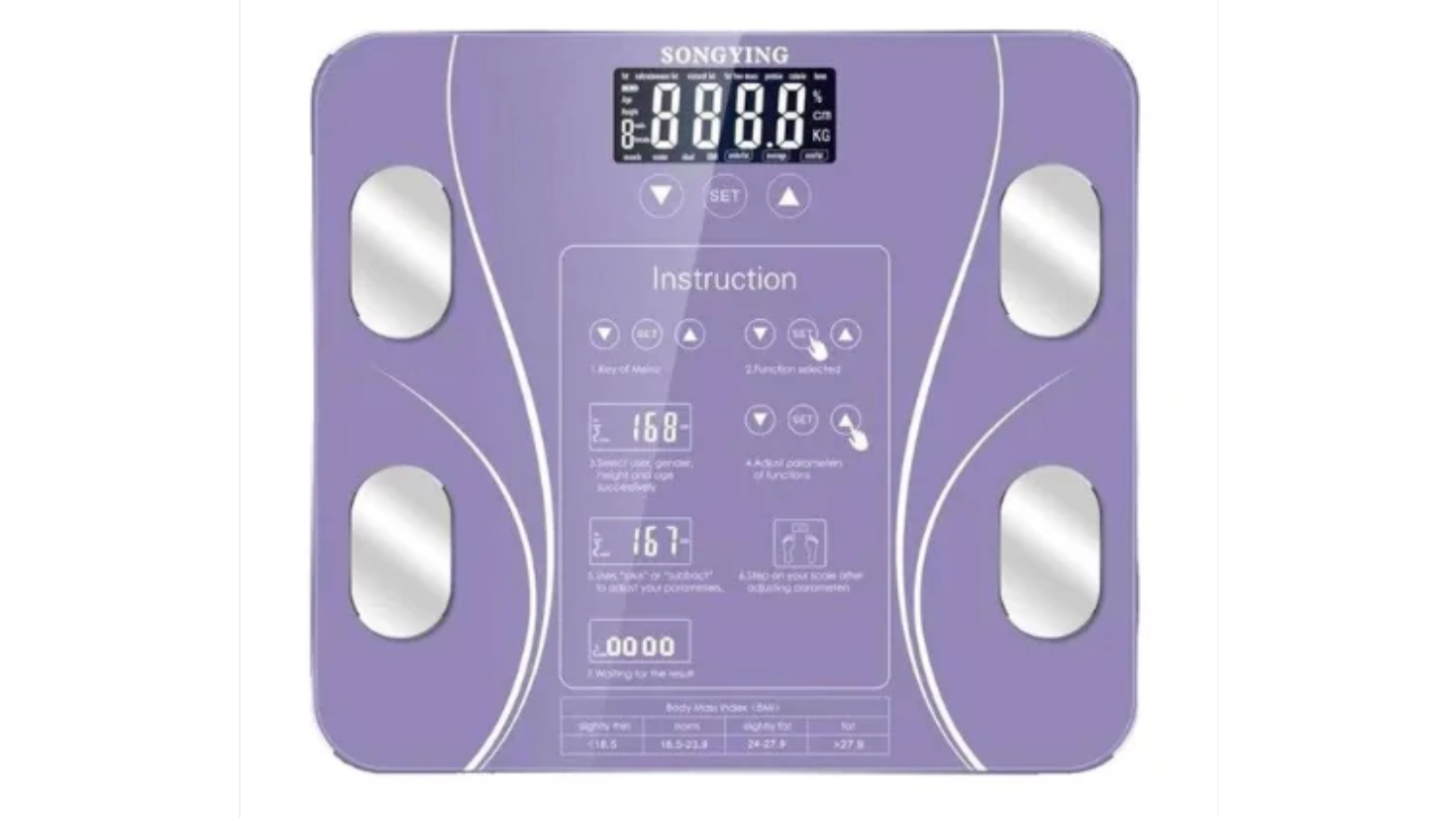
Understanding how smart body fat scales work helps health-conscious individuals make informed decisions about tracking their body composition. The technology behind these devices reveals why proper usage matters for accurate results.
Smart body fat scales work by sending a small, imperceptible electrical current through your body when you step onto the metal electrodes. This process, called bioelectrical impedance analysis (BIA), measures how different tissues in your body resist the flow of electricity. The current enters through one foot and travels up through your body before exiting through the other foot, creating a complete electrical circuit.
During this brief measurement, the scale's sensors detect how quickly or slowly the electrical signal moves through your body. The device then uses sophisticated algorithms to interpret this resistance data and estimate your body composition. Modern smart scales like those available through Profiler Digital's body fat scale collection combine this technology with smartphone connectivity to provide health tracking over time.
The electrical current used in BIA testing is extremely low - typically between 50 and 800 microamperes. While generally safe for most users, individuals with implanted medical devices like pacemakers should consult their healthcare provider before using BIA scales. Some users may experience minor skin irritation from the electrodes.
Muscle tissue and water are excellent conductors of electricity due to their high electrolyte content. These tissues contain dissolved minerals like sodium, potassium, and chloride that create pathways for electrical current to flow freely. When the BIA current encounters muscle tissue, it moves through quickly with minimal resistance, creating what's called low impedance.
The water content in lean body mass acts as a highway for electrical signals. Since muscle tissue contains approximately 70-75% water (though this can vary between individuals), it provides an efficient pathway for the current. This is why individuals with higher muscle mass typically show lower overall body resistance during BIA testing.
Fat tissue contains very little water - only about 10-15% - making it a poor conductor of electricity. When the electrical current encounters fat tissue, it must find alternative pathways around these areas, creating higher resistance or impedance. This resistance pattern helps the scale distinguish between lean body mass and fat mass.
The more fat tissue present in the body, the greater the overall electrical resistance measured by the scale. This fundamental principle allows BIA devices to estimate body fat percentage by comparing the measured impedance against established databases of body composition data.
Smart scales use complex mathematical equations that factor in the measured electrical resistance along with personal data like age, gender, height, and weight. These algorithms have been developed through research comparing BIA results with more precise body composition measurement methods like DEXA scans.
The scale's computer processes the impedance reading within seconds and applies population-specific formulas to estimate various body composition metrics. Different manufacturers may use slightly different algorithms, which can lead to variations in results between different scale brands or models.
The primary measurements provided by smart body fat scales include body fat percentage and lean body mass or muscle mass estimates. Body fat percentage represents the proportion of your total weight that consists of fat tissue, while muscle mass indicates the amount of skeletal muscle in your body. These metrics provide valuable insights for fitness goals, whether you're trying to lose fat, gain muscle, or maintain your current composition.
Tracking these measurements over time helps identify trends that simple weight measurements might miss. For example, you might maintain the same weight while simultaneously losing fat and gaining muscle - changes that only become apparent through body composition analysis.
Beyond fat and muscle measurements, many smart scales estimate total body water, which includes both intracellular and extracellular fluid. Some advanced models also provide metrics like metabolic age and visceral fat levels. These additional measurements create a more detailed picture of overall health status.
While some advanced models may provide bone-related estimates, BIA is not a primary tool for assessing bone density. Visceral fat measurements focus on the dangerous fat surrounding internal organs. Metabolic age compares your body composition to average values for different age groups, providing motivation for health improvements.
Certain high-end smart scales may incorporate additional monitoring capabilities through extra sensors or electrode configurations. These devices can measure resting heart rate while you're standing on the scale, adding cardiovascular health data to your body composition profile. However, this feature is not universally available across all BIA scales.
Consistency in timing dramatically improves the reliability of BIA measurements. The best practice involves weighing yourself first thing in the morning, after using the bathroom but before eating or drinking. This timing minimizes variables like food weight, fluid shifts, and daily activity that can affect electrical conductivity.
Morning measurements also occur when your body is in a relatively stable hydration state after hours without fluid intake, providing more consistent baseline readings. Maintaining normal hydration levels is key for accurate BIA measurements, as dehydration can lead to overestimation of body fat percentage.
Hydration status significantly impacts BIA accuracy because water content directly affects electrical conductivity. Dehydration can lead to overestimating body fat percentage, while excessive hydration may underestimate it. Aim for normal, consistent hydration levels rather than being significantly over or under-hydrated during measurements.
Avoid measuring after activities that cause significant fluid loss, such as intense exercise, sauna sessions, or illness with vomiting or diarrhea. Similarly, don't measure after consuming large amounts of fluids, alcohol, or foods with high sodium content that can cause temporary fluid retention.
Physical activity affects body composition measurements in multiple ways. Exercise increases blood flow, causes temporary muscle swelling, and alters hydration patterns through sweating. These changes can persist for several hours after activity, potentially skewing BIA results.
Plan to avoid intense exercise for at least 4-6 hours before testing, though light activity like walking typically doesn't significantly impact measurements. This restriction helps ensure that your readings reflect your true resting body composition rather than temporary exercise-induced changes.
Multi-frequency BIA devices use multiple electrical frequencies - typically ranging from 1 kHz to 1000 kHz - to provide more detailed body composition analysis. Different frequencies penetrate tissues at varying depths, allowing these systems to distinguish between intracellular and extracellular water, leading to more precise fat and muscle mass calculations.
Professional-grade multi-frequency systems used in clinical settings show strong correlation with DEXA scan results when used properly, though accuracy depends on the specific equations used and the population being measured. These devices often include hand and foot electrodes to measure impedance through multiple body segments, providing regional body composition data for arms, legs, and trunk areas separately.
Most consumer smart scales use single-frequency technology, typically operating at 50 kHz, which provides adequate accuracy for home monitoring at a much lower cost. While less precise than multi-frequency systems, these scales still offer valuable trend data for tracking changes in body composition over time.
Single-frequency scales work best for individuals with average body compositions and may be less accurate for very lean or obese individuals, elderly users, or those with certain medical conditions. Understanding these limitations helps set appropriate expectations for home body composition monitoring.
Regular body composition monitoring provides insights that support better health decisions and fitness outcomes. Tracking changes in body fat percentage and muscle mass helps tailor nutrition and exercise programs more effectively than relying solely on weight measurements. This detailed feedback can provide motivation during fitness journeys by revealing positive changes that might not be apparent from weight alone.
Healthy body composition is associated with reduced risks of cardiovascular disease, diabetes, and certain cancers. Smart scales enable users to identify trends early and make adjustments to diet and exercise routines before small changes become significant health concerns. The convenience of home monitoring encourages consistent tracking, which supports long-term success.
Modern smart scales that sync with smartphone apps provide historical data visualization, goal setting features, and sometimes integration with other health monitoring devices. This approach to health tracking empowers individuals to make informed decisions about their wellness routines and celebrate meaningful progress beyond simple weight loss or gain.
For those interested in health monitoring solutions, Profiler Digital offers advanced body composition scales and health analysis tools designed to support your wellness journey.


