Think your home treadmill is accurately tracking your calorie burn? Research reveals these machines can overestimate by 20% – and the reasons why might completely change how you approach your workouts and weight loss goals.
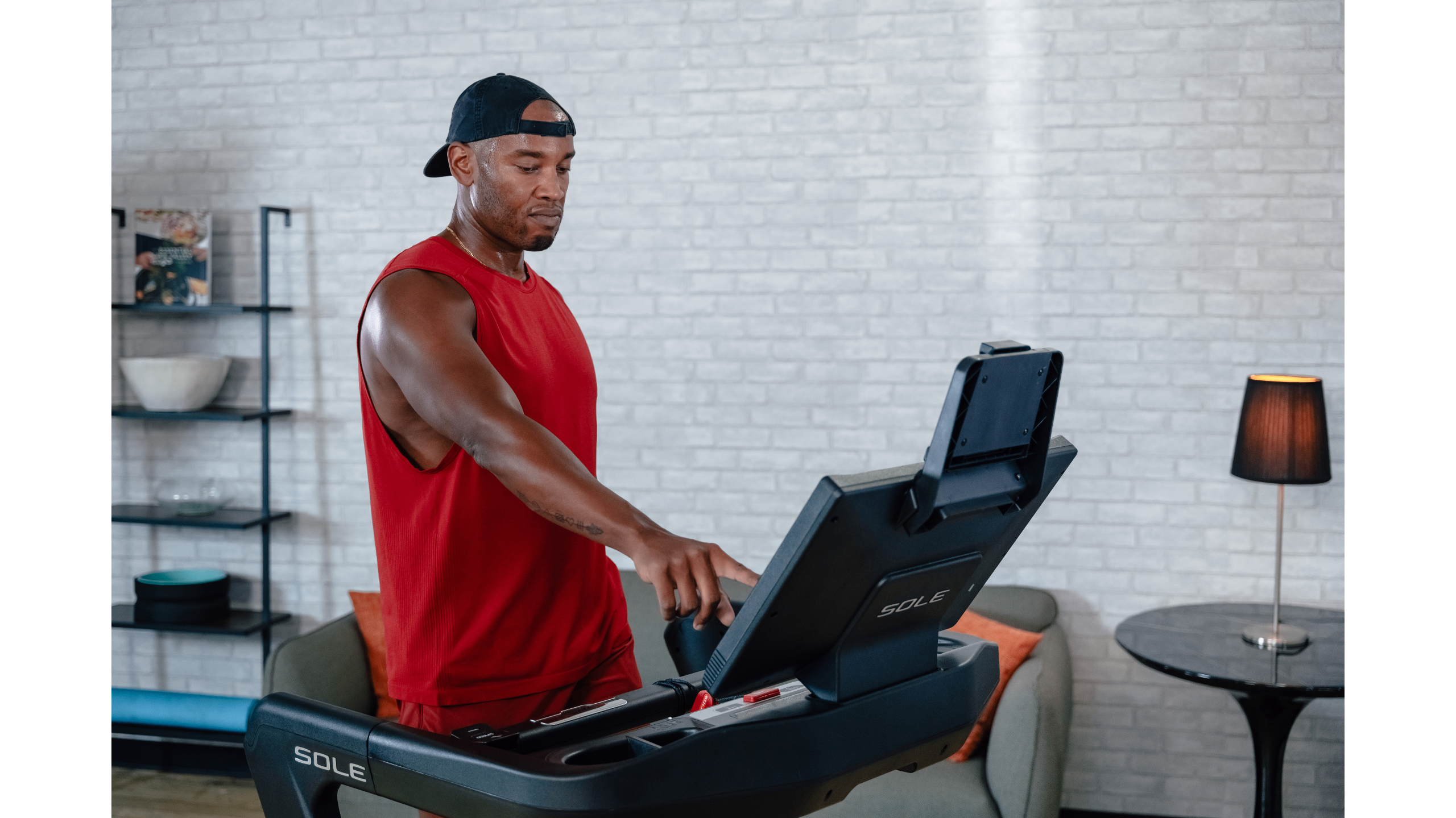
That satisfying moment when your treadmill flashes "500 calories burned" after a solid workout feels like a victory. But here's the reality check nobody wants to hear: those numbers dancing across your display might be telling you a story that's more fiction than fact. Oh no...
Research reveals a perhaps unwelcome truth about treadmill accuracy. Studies on cardio equipment, particularly elliptical machines, found that calorie readouts can significantly deviate from actual caloric expenditure. The overestimation can reach approximately 20% in many cases, which might not sound that dramatic... until you do the math.
Consider this scenario: if your treadmill claims you burned 400 calories during a 45-minute session, the actual number could be closer to 320 calories. Over a month of regular workouts, that 80-calorie daily difference adds up to 2,400 calories - nearly three-quarters of a pound worth of miscalculated energy expenditure.
The implications go way beyond simple numbers on a screen. People tracking progress for weight loss or fitness goals often make dietary decisions based on these inflated figures. Understanding the limitations of treadmill calorie calculations is vital if you're serious about your fitness journey.
Treadmill manufacturers rely on standardized formulas built around MET (Metabolic Equivalent of Task) values. These calculations represent how much energy your body theoretically uses during different exercises compared to sitting at rest. According to established research, a MET value of 1 equals the energy you burn while completely sedentary, while running at 6 mph typically registers a MET value of 9.8.
The basic formula looks deceptively simple: MET value × body weight in kilograms × workout duration in hours = estimated calories burned. For example, a 154-pound person (70 kg) running at 6 mph for 30 minutes would theoretically burn 343 calories using this calculation (9.8 × 70 × 0.5 = 343). Easy, right?
Let's move on.
Most home treadmills collect surprisingly limited data points. Speed and time are automatic, but weight often requires manual input. Some advanced models factor in incline and heart rate, but many budget-friendly options stick to the basics. The machine knows you're moving at 5 mph for 25 minutes, but it has no clue about the dozens of variables that actually determine your personal energy expenditure.
This standardized approach treats every 150-pound person identically, regardless of whether they're a seasoned marathon runner or someone taking their first steps toward fitness. The algorithm can't distinguish between efficient movement patterns and energy-wasting form, creating a one-size-fits-all estimate that rarely fits anyone perfectly.
Two people weighing exactly 165 pounds can burn vastly different amounts of calories during identical workouts. The difference lies in what makes up those 165 pounds. Muscle tissue actively contracts during exercise, consuming oxygen and energy, while fat tissue remains relatively metabolically inactive.
A person with 15% body fat will consistently burn more calories than someone with 30% body fat, even when both maintain the same pace and duration. Research indicates that men typically burn more calories than women of similar weight due to higher muscle mass and larger metabolically active organs like the heart and liver. Yet most treadmill algorithms ignore these vital composition differences entirely.
Running economy - essentially how efficiently your body moves - dramatically impacts calorie burn in ways treadmills can't detect. A well-trained runner's body becomes increasingly efficient over time, requiring less energy to maintain the same pace. Meanwhile, a beginner's less efficient movement patterns and higher effort level translate to greater energy expenditure.
Two runners completing identical 30-minute, 6-mph sessions will receive matching calorie counts from their treadmill displays. In reality, the newcomer might burn significantly more calories simply because the workout represents a much higher relative intensity of effort for their current fitness level.
Metabolic rate naturally slows with age, largely due to muscle mass loss and hormonal changes. A 25-year-old and 55-year-old with identical body weights will have different caloric expenditures during the same workout. Some treadmills request age data, but many overlook this factor completely.
Then there are the biological differences between men and women. Hormonal variations, different muscle fiber distributions, and varying cardiovascular responses all influence energy expenditure in ways that basic treadmill formulas can't capture.
Gripping the handrails turns your treadmill workout into something entirely different from natural walking or running. This support eliminates upper-body involvement and reduces core engagement, making the exercise much easier while maintaining the same belt speed.
The energy savings can be substantial, with studies suggesting reductions in calorie burn when using handrails for support, yet most treadmills lack sensors to detect handrail use. Your machine continues calculating calories as if you're performing unsupported movement, potentially creating a significant overestimation depending on how much you rely on the rails for stability.
Accuracy starts with honest input. Entering incorrect weight - whether intentionally or from outdated information - throws off every subsequent calculation. Research suggests that weight differences can substantially alter calorie estimates, with a 20-pound difference potentially changing estimates by approximately 50-80 calories per workout.
Some users skip the personal data entry entirely, allowing the treadmill to use default values like 150 pounds and age 35. These generic settings guarantee inaccurate results for anyone who doesn't match the preset demographics exactly.
Take advantage of every data field your treadmill offers. Enter your current weight, accurate age, and any other requested information. Update these values regularly - especially weight if it's changing as part of your fitness goals. Even small improvements in data accuracy can significantly enhance your calorie estimates.
Use treadmill calories as relative measures rather than the absolute truth. If Monday's workout shows 350 calories and Wednesday's displays 420, you can confidently say Wednesday's session was more intense, even if neither number is precisely accurate. Consistent measurement conditions provide valuable trend data despite imperfect precision.
Weekly and monthly patterns matter more than individual workout calculations. Look for improvements in calories burned per minute, longer workout durations, or higher intensities achieved. These trends indicate genuine progress regardless of whether your actual calorie burn matches the displayed numbers exactly.
Consider adding heart rate monitors to your routine, though studies indicate these devices may also have accuracy limitations. While not perfect, combining multiple data sources creates a more complete picture of your exercise efforts.
Treadmill calorie displays serve their best purpose as motivational tools and rough benchmarks rather than precise scientific measurements. They encourage consistent exercise habits, help gauge workout intensity, and provide satisfying feedback that keeps people returning to their fitness routines.
Smart fitness enthusiasts treat these numbers with healthy skepticism while still appreciating their value. If weight loss is your goal, consider assuming your actual calorie burn runs approximately 15-20% lower than displayed as a general guideline, adjusting your nutrition planning accordingly. This buffer helps account for the inherent overestimation tendencies in most treadmill algorithms.
Remember that improved cardiovascular health, better sleep, enhanced mood, and increased strength all matter regardless of the specific numbers on your display. Use calorie counts as one tool among many in your fitness toolkit, not as the ultimate measure of workout success.
For those seeking reliable home fitness equipment that combines accurate tracking with durable performance, SOLE Fitness offers premium treadmills designed to support your health and fitness goals.


