DC Metro business owners face three critical threats from pest infestations that can destroy operations overnight. From OSHA violations to structural damage costing thousands, discover why DIY solutions fail and how professional exterminators protect your bottom line.
Business owners and property managers face significant financial and operational risks when pest infestations go untreated. Understanding these threats and implementing professional pest management solutions protects both immediate business interests and long-term success.
Pest infestations pose serious health and safety risks that can shut down operations overnight. OSHA requires employers to maintain workplaces free from recognized hazards, including pest-related contamination and property damage. Failing to meet these standards results in fines, legal liability, and potential business closures.
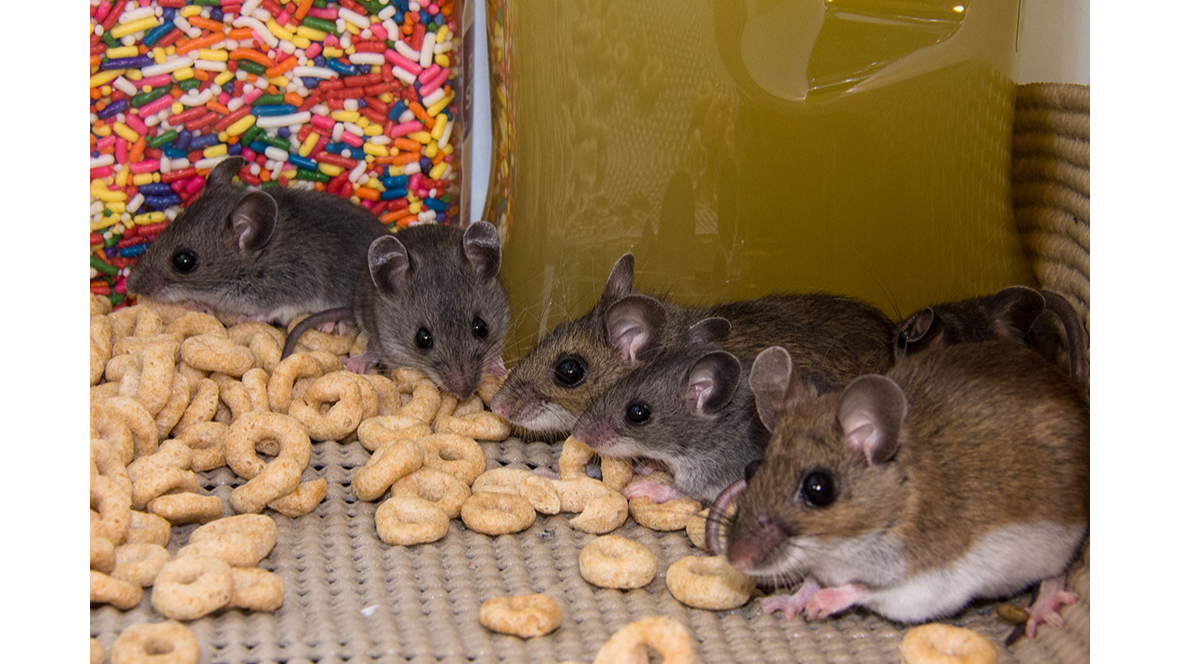
Disease transmission represents the most immediate threat to employee and customer safety. Wild rodents spread salmonella, hantavirus, and leptospirosis through their droppings and urine. Cockroaches carry E. coli, Staphylococcus, and Streptococcus bacteria on their bodies, contaminating food preparation areas and office spaces. Biting pests like ticks and mosquitoes transmit Lyme disease, West Nile virus, and other serious illnesses that can result in long-term health complications.
Slip-and-fall accidents from pest droppings create additional liability concerns. Property damage from wood-destroying insects like termites and carpenter ants compromises structural integrity, potentially causing dangerous building failures. Pest control service providers can help businesses address these urgent safety threats before they escalate into costly emergencies.
Commercial pest infestations cause extensive property damage that can cripple business budgets and operations. The financial impact extends far beyond initial treatment costs, encompassing structural repairs, equipment replacement, and inventory losses that accumulate over time.
Termites pose the greatest threat to building integrity, burrowing into support beams and floor joists while remaining hidden for months. These wood-destroying insects can compromise structural safety by hollowing out load-bearing elements, creating dangerous conditions that require immediate professional intervention. Carpenter ants similarly damage wooden structures by excavating galleries for their nests, weakening walls and support systems over time.
Rodents chew through many materials, including wood, plastic, and drywall. While rats can damage concrete under certain circumstances, well-maintained concrete structures are less vulnerable. Mice and rats create entry points in walls, floors, and foundations that allow moisture infiltration and further structural deterioration. The cumulative damage from these pests often requires extensive reconstruction work costing thousands of dollars.
Pest contamination destroys valuable inventory and damages expensive business equipment. Rodents contaminate food products, office supplies, and raw materials with urine, droppings, and hair. Even small amounts of contamination can render entire shipments unusable, resulting in significant product losses.
Insects infiltrate sensitive electronic equipment, causing short circuits and component failures. Cockroaches particularly favor warm, enclosed spaces like computer servers and HVAC systems. Their presence creates costly repair needs and potential data loss from damaged hardware.
Rodent damage to electrical wiring creates serious fire hazards that threaten entire buildings. Mice and rats instinctively chew on wires to wear down their constantly growing teeth. Exposed wiring generates sparks and heat that can ignite surrounding materials, leading to devastating fires.
Many commercial insurance policies exclude pest-related damage from coverage, though this varies by provider and policy type. This exclusion makes professional pest prevention vital for protecting valuable assets and avoiding catastrophic financial losses.
Modern technology amplifies the reputational damage from pest sightings, transforming isolated incidents into widespread public relations disasters. A single customer's social media post about pests can reach thousands of potential clients within hours, creating lasting negative impressions that take years to overcome.
Digital platforms like Google Reviews, Yelp, and Facebook allow customers to instantly share pest encounters with massive audiences. These reviews remain permanently visible, influencing future customer decisions long after pest problems are resolved. Restaurant businesses face particularly severe consequences, as food safety concerns drive customers to competitors immediately.
Review aggregation sites compound the problem by displaying pest-related complaints prominently in search results. Negative reviews citing pest issues appear alongside business listings, deterring potential customers before they even visit. The viral nature of social media ensures that pest problems become public knowledge faster than ever before.
Commercial property managers experience significant tenant losses when pest problems become known. Office tenants refuse to renew leases due to health concerns and professional image considerations. Retail tenants worry about customer reactions and regulatory compliance issues that could impact their own business operations.
High turnover rates create cascading financial problems including lost rental income, increased marketing costs, and tenant improvement expenses. Property values decline when pest issues become associated with specific buildings, making it harder to attract quality tenants and command premium rents.
Business owners often attempt do-it-yourself pest control to save money, but these approaches typically fail to address underlying infestation causes. The resulting problems create far greater expenses and operational disruptions than professional treatment would have cost initially.
Consumer-grade pest control products lack the potency and precision needed for commercial applications. Store-bought sprays and baits provide temporary relief while allowing pest populations to rebound stronger than before. Without proper identification of pest species and breeding locations, DIY treatments miss critical infestation sources.
Incorrect application techniques often scatter pests throughout buildings rather than eliminating them. Improper timing of treatments allows reproductive cycles to continue, ensuring rapid population recovery. These recurring infestations require repeated treatment attempts that ultimately cost more than professional services.
Regulatory agencies impose strict compliance standards on businesses, particularly in healthcare, food service, and hospitality industries. DIY pest control methods often fail to meet these requirements, resulting in health code violations during routine inspections. Healthcare facilities face especially severe consequences, including fines, temporary closures, and potential legal action for non-compliance.
Documentation requirements for pest control activities exceed most business owners' capabilities. Professional pest management companies provide detailed treatment records and compliance certificates that satisfy regulatory demands. Without proper documentation, businesses face penalties regardless of actual pest control efforts.
Commercial insurance policies often exclude pest-related damage because infestations develop gradually over time. Property damage from termites, rodents, and other pests doesn't meet the "sudden and unexpected" criteria required for coverage. This exclusion leaves business owners financially responsible for all repair and replacement costs.
Liability coverage may also be void if pest problems contribute to customer injuries or illnesses. Insurance companies require demonstrated pest prevention efforts to maintain policy validity. Professional pest management services provide necessary documentation to support insurance claims and maintain coverage integrity.
Licensed pest control professionals provide solutions that address immediate infestations while preventing future problems. Their expertise, advanced equipment, and regulatory knowledge ensure effective treatment that protects business operations and maintains compliance standards.
Professional exterminators conduct thorough property inspections to identify specific pest species, infestation sources, and contributing factors. This detailed assessment enables customized treatment plans that target actual problems rather than providing generic solutions. Industry-specific approaches account for unique challenges faced by restaurants, healthcare facilities, retail stores, and office buildings.
Integrated Pest Management (IPM) strategies combine multiple control methods for maximum effectiveness. These approaches include habitat modification, exclusion techniques, and targeted treatments that eliminate current pests while preventing future infestations. Regular monitoring and maintenance ensure long-term success through ongoing professional oversight.
Modern pest control increasingly emphasizes environmentally responsible treatments that protect human health while effectively eliminating pests, using methods that minimize risks to non-target species. Professional-grade products offer superior performance with reduced environmental impact compared to harsh consumer chemicals. These advanced formulations target specific pest biology while minimizing risks to beneficial insects and wildlife.
Trained technicians understand proper application techniques that maximize treatment effectiveness while ensuring safety. Strategic placement of baits and treatments keeps active ingredients away from food preparation areas, employee workspaces, and customer zones. This precision approach provides superior pest control without compromising business operations or public safety.
Successful pest management requires professional expertise, advanced treatment methods, and ongoing monitoring to protect business investments. The financial risks from property damage, health code violations, and reputation loss far exceed the costs of professional pest control services. Smart business owners recognize that pest prevention represents operational insurance rather than optional expense.
Early intervention provides the most cost-effective approach to pest management, preventing small problems from becoming major infestations. Professional exterminators identify potential issues during routine inspections, implementing preventive measures before pests establish colonies. This proactive strategy eliminates the disruptions and expenses associated with emergency pest control situations.


