Adelaide manufacturing businesses are finding that a 100 kW solar power system—costing around $90,000 on average—can often pay for itself within up to three years. However, new export charges taking effect in July 2025 mean self-consumption strategies will become increasingly important for maximizing returns.
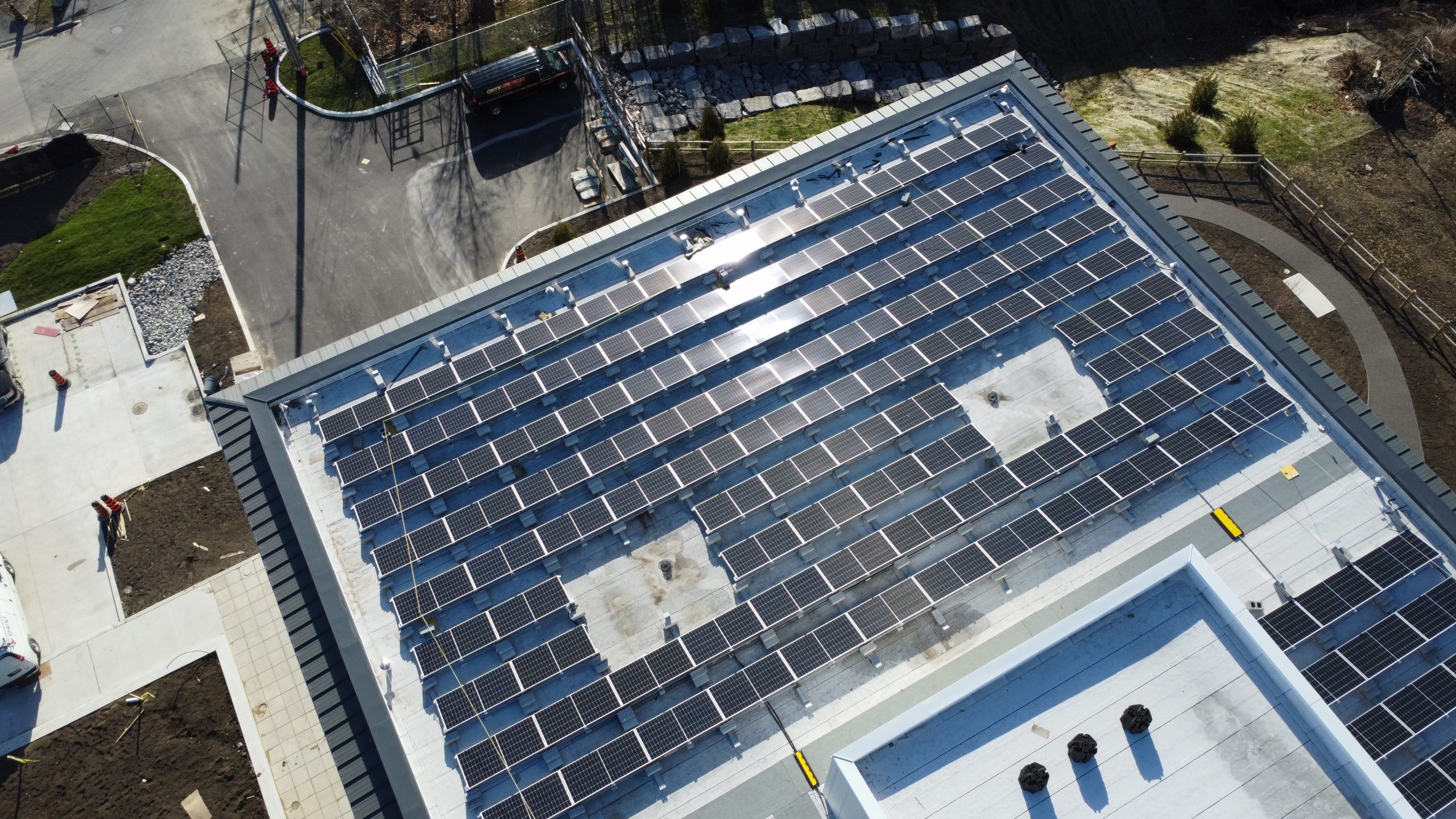
Energy prices in Adelaide have soared in recent years, creating budgetary problems for manufacturing facilities that run around the clock. Many manufacturers saw their energy rates increase by around 23 percent from 2024 to 2025, and they are expected to increase by up to 8.5 percent in 2026. Solar-powered systems can help companies keep their energy costs sustainable, but there are many factors to consider when choosing the right system for your business.
Prices for 100kW solar systems - among the most popular in Australia - range between $85,000 and $140,000. While this may result in up-front sticker shock, these prices represent the baseline before incentives, with final costs determined by a number of variables.
100kW solar system costs vary widely, depending on component quality and installation complexity. Premium Tier 1 panels with 25-year warranties increase upfront costs, but deliver superior long-term performance. Roof-mounted installations on simple warehouse structures cost less than complex multi-level buildings that require additional structural work. The most cost-effective solutions involve string inverter configurations, while micro-inverters or power optimisers add $10,000-$15,000 but improve performance in partially shaded conditions.
The efficiency of your panels directly impacts your system cost per watt. High-efficiency 550W panels require only 180 units for a 100kW system, reducing installation labour when compared to 362 lower-wattage panels. Roof condition affects your price significantly - newer industrial buildings with clear spans minimise mounting costs, while older facilities may require structural assessments or reinforcement. It's important to consider these factors when creating a realistic budget.
Adelaide's Mediterranean climate creates exceptional conditions for commercial solar generation, delivering consistent energy output that's reliable for production planning and cost management.
Adelaide gets an average of 4.83 kilowatt-hours of solar irradiation per square metre daily, significantly higher than many Australian capitals. This strong solar resource means enhanced system performance for manufacturing facilities. The consistent irradiance levels mean businesses can accurately forecast energy production throughout the year, enabling better financial planning and energy management strategies.
A well-designed 100kW system in Adelaide generates approximately 142,350 kWh annually under optimal conditions. Manufacturing businesses typically achieve 70% self-consumption rates during standard operating hours, directly offsetting 99,645 kWh of grid electricity purchases. The remaining 42,705 kWh can be exported to the grid, though new export charges from July 2025 make maximising self-consumption increasingly important.
Adelaide's solar generation peaks between 10am-2pm, aligning perfectly with manufacturing shift patterns. This natural synchronisation means production equipment, climate control, and processing machinery operate on clean solar power during peak output hours. Food and beverage manufacturers particularly benefit from this alignment, as refrigeration and processing loads coincide with maximum solar generation, minimising grid dependency during expensive daytime tariff periods.
Manufacturing businesses in Adelaide can access substantial government incentives that dramatically reduce the upfront investment required for 100kW solar systems, improving payback periods and overall financial returns.
Federal Small-scale Technology Certificates provide immediate cost reductions of approximately $55,000-$65,000 for 100kW systems. These certificates are calculated based on Adelaide's Zone 3 solar resource factor over a 13-year period, with current trading values making the incentive substantial. The STC discount is applied at point of sale, meaning businesses benefit from reduced upfront capital requirements rather than waiting for rebate processing.
The South Australian Government's Powering Business Grant previously offered between $2,500 to $75,000 with matching contributions from applicants, specifically for small and medium enterprises investing in solar installations. Round 3 applications closed 30 September 2025. Eligible manufacturing businesses should monitor for future grant rounds. The grant covered solar PV systems, battery storage, and electrical infrastructure upgrades, allowing energy solutions for businesses with ABN, South Australian operations, and grouped payroll under $18 million.
Manufacturing businesses in Adelaide experience some of Australia's most compelling solar investment returns due to the state's unique electricity pricing structure and exceptional solar resources.
South Australia's commercial electricity rates of 26.8 cents per kWh for medium businesses represent among the highest in the National Electricity Market. This pricing environment accelerates solar payback periods to approximately 3-5 years for 100kW systems under favourable conditions, compared to the national average of 4.8-5.5 years. Manufacturing businesses with consistent daytime energy consumption can achieve Internal Rates of Return around 25-35%, making solar investments attractive compared to many traditional business investments.
A 100kW system with 70% self-consumption can save manufacturing businesses around $16,940 annually, depending on their specific electricity tariff structure. Businesses on smaller commercial tariffs paying 26.8 c/kWh experience the higher end of savings, while larger manufacturers on negotiated rates see more modest but still substantial reductions. These savings compound annually, giving your business predictable cost reductions that improve cash flow and operational budgeting.
Electricity prices in South Australia have increased substantially over recent years, with commercial rates following similar trajectories. Solar installation provides immediate protection against future price volatility, locking in energy costs at current levels for the system's 25-year operational life. This price protection becomes increasingly valuable as South Australia transitions to 100% renewable energy by 2030, potentially creating additional grid infrastructure costs passed through to consumers.
Adelaide's manufacturing sector presents perfect applications for 100kW solar systems, with operational patterns and energy consumption profiles that maximise solar investment returns.
Understanding South Australia's evolving grid connection requirements and export policies is vital for manufacturing businesses planning 100kW solar installations.
SA Power Networks introduced export tariffs from 1 July 2025, charging commercial systems for excess electricity exported during 10am-4pm congestion periods. Small businesses with smart meters receive a 9kWh daily free export allowance, with charges of 1c/kWh for exports above this threshold during peak congestion times. Larger 100kW installations face charges on exports during peak congestion periods. This policy change, funded by an $82 million grid upgrade program, creates strong financial incentives for manufacturing businesses to maximise on-site energy consumption rather than grid export.
The new export charging policy makes self-consumption strategies essential for optimising your solar returns. Manufacturing businesses should align energy-intensive operations with solar production hours where possible, utilising excess generation for equipment that can operate flexibly. Battery storage integration becomes increasingly attractive as a method to store midday solar generation for use during evening peak periods, when electricity rates climb much higher. Smart energy management systems can automatically schedule non-critical operations during peak solar production, maximising the financial benefits of the installation.
Manufacturing businesses investing in 100kW solar systems should seek multiple detailed quotes to make sure they get competitive pricing and optimal system design for their specific needs.
Quality installation makes the difference between average and exceptional solar performance over the system's 25-year operational life. Established Adelaide installers provide warranties, local support, and detailed performance monitoring that protects the significant investment. System design should account for future expansion possibilities, battery integration potential, and specific manufacturing operational patterns to maximise long-term value. Act now to start saving as soon as possible.


