Learn how long wood, vinyl, and aluminum fences typically last, what weakens them over time, and how proper installation and upkeep extend overall lifespan.
Most homeowners expect their fence to last for years, but the actual lifespan depends on far more than material alone. Climate, soil conditions, installation quality, and ongoing upkeep all influence how long panels and posts hold up. With so many fencing materials available, especially wood, vinyl, and aluminum, it helps to understand how each performs over time and what homeowners can realistically expect.
While the look of a fence may guide your initial choice, what happens after installation often matters more. A well-built fence can last decades with proper care, but the wrong material for your environment can start breaking down much sooner. Here’s how the most common fencing types compare and the factors that have the biggest effect on longevity.
A fence faces daily stress from temperature swings, moisture, UV exposure, soil movement, and vegetation growth. Even two identical fences can age differently depending on which side of a property gets more sunlight or how well water drains after a storm.
Panels may look worn when they age, but it’s the posts, buried in soil and exposed to moisture, that determine whether the fence stands straight or begins to lean, shift, or fail entirely.
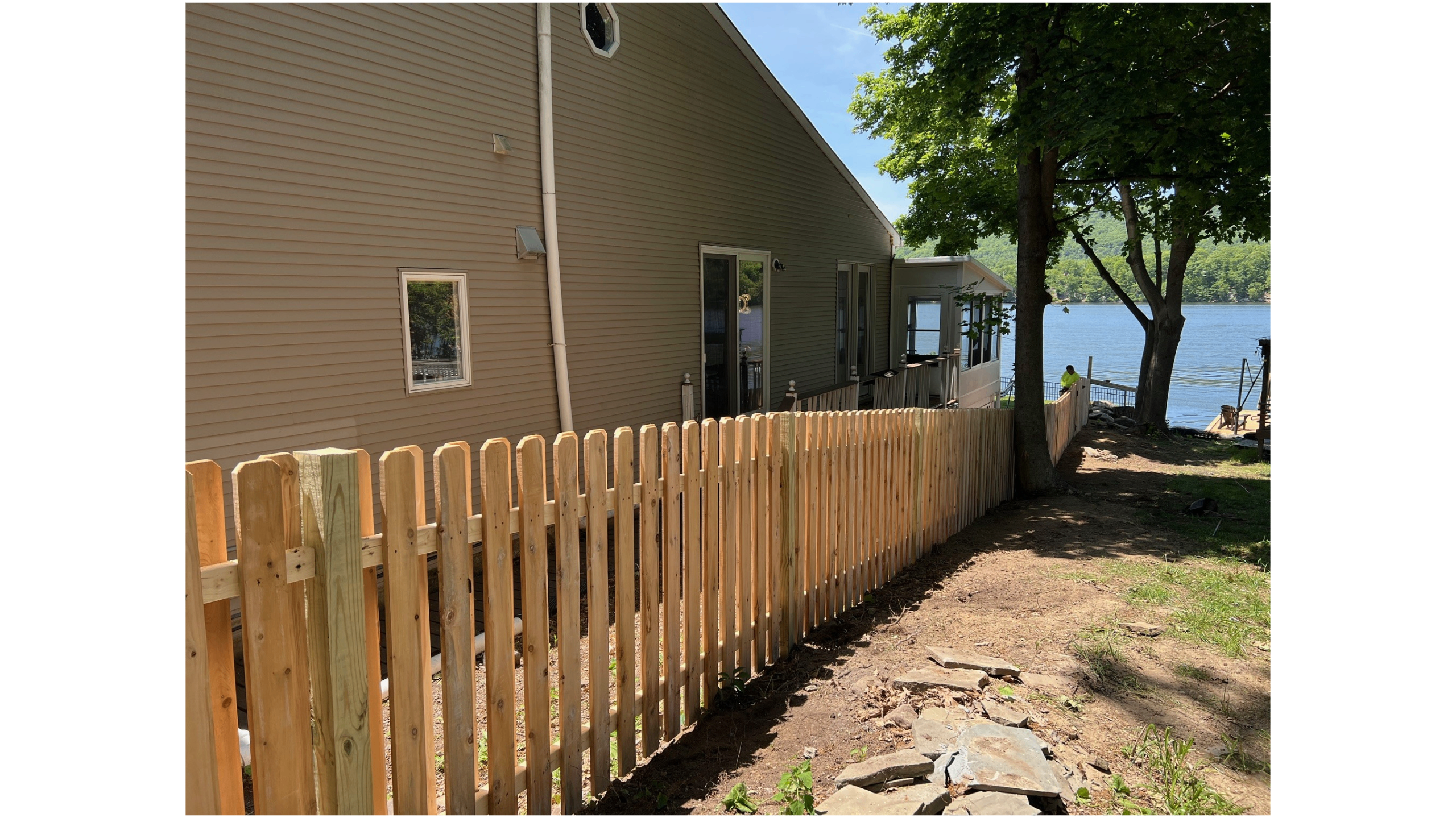
Wood remains one of the most popular fencing materials because it feels warm, natural, and customizable. But wood also has the most unpredictable lifespan because it reacts to weather more than other materials.
A typical wood fence lasts 10 to 20 years, depending on the species and maintenance:
Climate plays an enormous role too. Moisture, snow, and freeze-thaw cycles speed up deterioration. Wood fences need regular staining or sealing to slow water penetration, and damaged boards should be replaced early before the problem spreads. In high-humidity areas, even a well-maintained wood fence may age faster.
Vinyl is built for durability, resisting rot, moisture absorption, and insect damage. Most vinyl fences last 20 to 30 years or more, making them one of the most predictable long-term options for homeowners.
Vinyl’s longevity comes from its ability to maintain structural integrity without the same upkeep wood requires. Still, it’s not immune to damage. Very cold temperatures can make panels brittle, and strong impacts or heavy equipment can crack sections that need replacement. Exposure to extreme sun over many years may cause slight fading, though modern materials handle UV much better than past generations.
Maintenance is straightforward; just occasional washing and clearing debris around posts is usually enough to keep vinyl in good condition.
Aluminum fences often last 30 to 50 years, and in mild climates, even longer. They are naturally resistant to rust, making them a popular choice for pool areas and decorative perimeters where both strength and visibility matter.
Unlike steel, aluminum doesn’t corrode. Unlike wood, it doesn’t absorb moisture. And unlike vinyl, it isn’t vulnerable to cracking from temperature swings. Most homeowners choose aluminum when they want a long-term solution with minimal upkeep. Like any fence, stability depends on how well the posts are anchored, but the material itself holds up exceptionally well over decades.
A fence can look perfectly fine on the surface while failing below ground. Posts absorb constant moisture, sit in shifting soil, and bear the weight of the structure.
Wood posts may rot below the surface long before boards show damage. Soil expansion, erosion, poor drainage, and improper concrete placement are common causes of early failure. Even vinyl and aluminum fences depend on properly installed posts for true longevity.
The bottom line is many fences don’t fail because panels wear out; they fail because the foundation weakens.
A cracked vinyl panel or a few warped wood boards can often be repaired without replacing the entire system. But widespread rot, leaning sections, loose posts, or repeated shifting usually indicate deeper structural issues.
If the posts are compromised, patching panels won’t solve the problem. In older fences, replacement often becomes more cost-effective than continued repairs, especially when multiple sections begin failing at once.
Regardless of material, a few habits help slow aging and protect your investment:
An annual inspection, especially after winter, goes a long way toward catching issues before they worsen.
To recap, fence longevity comes down to the balance between material, climate, installation quality, and upkeep. Wood brings natural beauty but requires the most care. Vinyl offers predictable durability with minimal maintenance. Aluminum provides one of the longest lifespans for homeowners who want a sturdy, low-maintenance option for pools, perimeters, or decorative borders.
Understanding how each material ages helps homeowners choose a fence that not only looks right on day one, but continues performing well for years to come. If you're not sure which material is right for your property, discussing with a trusted fence contractor who understands the local weather and code can go a long way.


