Could switching to an indirect water heater really slash your hot water costs by up to 40%? Colorado Springs homeowners are discovering a surprising way to get “free” hot water during winter months—but only if you already have this one heating system.
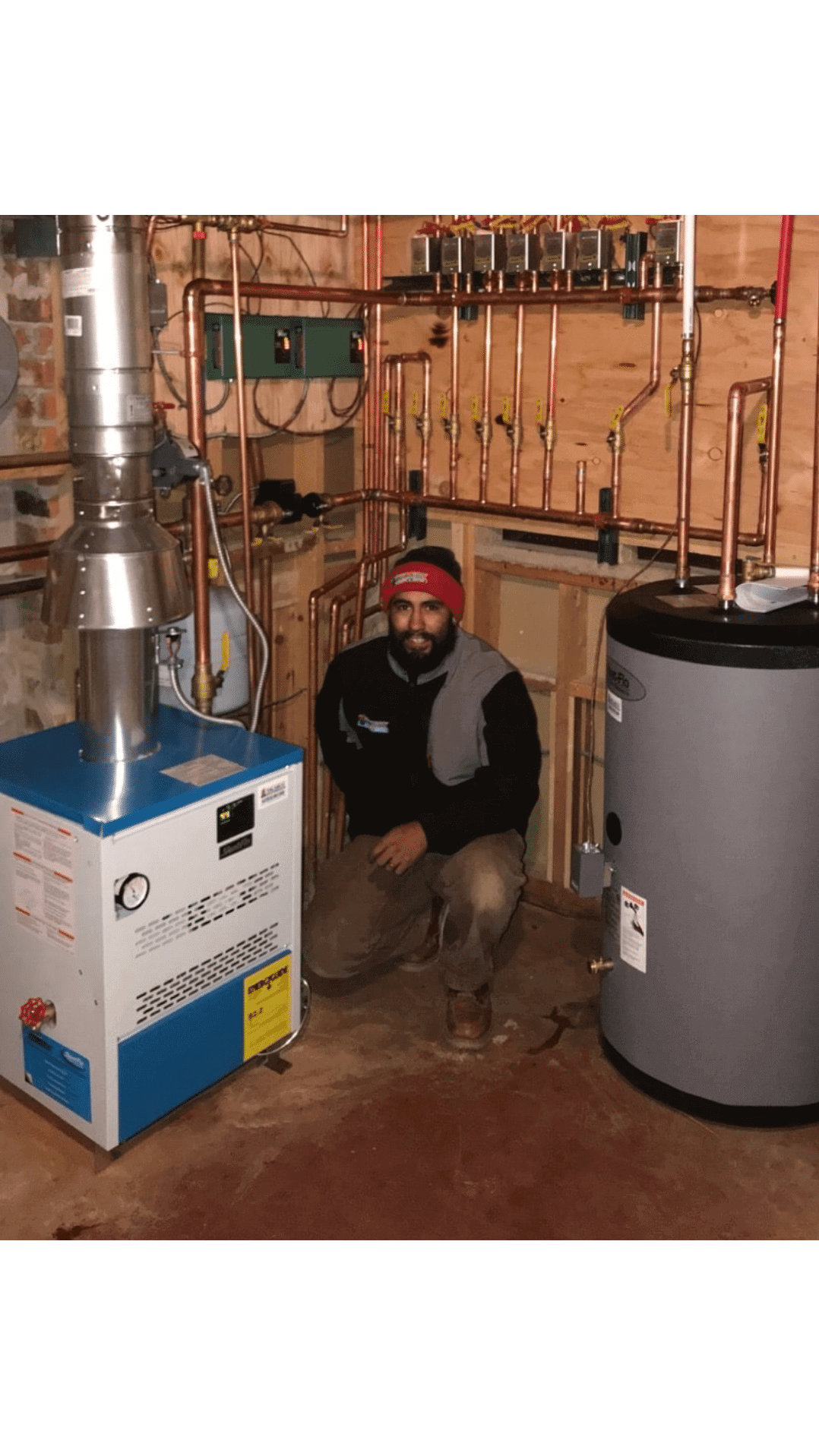
Key Takeaways:
Colorado Springs homeowners looking to cut energy bills while maintaining consistent hot water supply are increasingly turning to indirect water heaters. These systems offer a smart solution for homes with existing boilers, transforming how domestic hot water gets produced and potentially slashing monthly utility costs.
The secret to indirect water heaters' impressive energy savings lies in their ability to piggyback on your home's existing high-efficiency boiler. Instead of running a separate burner or electric element like traditional water heaters, indirect systems use a heat exchanger coil connected to the boiler loop. Modern condensing boilers operate at 85-95% efficiency, and indirect water heaters can harness this performance for domestic hot water production.
Studies show that indirect water heaters can reduce hot water energy consumption by 20-40% compared to standard tank water heaters. This dramatic improvement stems from eliminating the inefficiencies of standalone water heater burners, which typically operate at only 60-70% efficiency. Talmich Plumbing & Heating explains how proper installation and sizing maximize these energy savings for Colorado Springs homeowners.
The efficiency ratings of indirect systems consistently outperform conventional tanks due to their efficient heat source and superior insulation. While standard gas tanks might achieve efficiency ratings of 0.60-0.65, the overall system efficiency when pairing indirect water heaters with high-efficiency boilers can reach 0.80 or higher, translating directly into lower monthly gas bills.
Traditional water heaters waste energy through frequent on-off cycling, pilot light consumption, and flue losses every time they fire. Indirect systems eliminate these inefficiencies entirely by utilizing the boiler's already-optimized combustion process. The boiler's advanced controls and modulating capabilities ensure fuel burns cleanly and efficiently, with minimal waste heat.
This design advantage becomes even more pronounced in Colorado Springs, where natural gas costs around $1.00-$1.10 per therm. Every efficiency gain translates directly into measurable savings on monthly utility bills, making the superior performance of indirect systems financially compelling for homeowners.
Indirect water heater tanks feature exceptional insulation, often 2 inches of high-density foam surrounding a stainless steel liner. This superior insulation dramatically reduces standby heat loss compared to standard tanks, which typically have minimal insulation and lose significant heat through tank walls.
The heavy insulation means heated water stays hot for many hours without requiring additional energy input. During periods when the boiler isn't running for space heating, the well-insulated tank maintains water temperature with minimal energy loss, reducing the frequency of heating cycles.
Colorado Springs' cold winters create a unique opportunity for indirect water heaters to deliver exceptional value. During heating season, when boilers run frequently for space heating, producing domestic hot water becomes essentially "free" since the fuel is already being burned. The incremental cost of heating water through the existing boiler operation is minimal.
This seasonal advantage can provide substantial savings from October through April, when heating systems operate regularly. Homeowners often see their hot water production costs drop dramatically during these months, with the most significant savings occurring during the coldest periods when boilers run continuously.
Efficiency ratings provide the clearest comparison between water heating systems. Standard atmospheric gas tanks typically achieve efficiency ratings of 0.58-0.65, while the overall system efficiency of indirect water heaters paired with condensing boilers can reach 0.80-0.95. This rating directly correlates to how much of the fuel purchased actually heats water rather than being lost through combustion inefficiencies or standby losses.
The higher efficiency ratings of indirect systems mean more of every therm of natural gas goes toward heating water. In practical terms, a system with an efficiency of 0.85 versus 0.62 will use approximately 25% less fuel for the same hot water production, creating immediate and ongoing savings.
Real-world studies in cold climate regions demonstrate substantial fuel savings. Field data shows homes switching from standalone gas water heaters to indirect systems can achieve significant reductions in annual hot water heating costs. For a typical Colorado Springs household, these savings can represent 60-80 therms per year in reduced consumption.
At current Colorado natural gas prices, these savings represent $60-90 annually in reduced fuel costs. Over the 15-20 year lifespan of an indirect water heater, these savings can total $1,200-$1,800, helping offset the higher initial investment while providing superior hot water performance.
Indirect water heater installations in Colorado Springs typically cost more than standard tank replacements. The higher cost reflects the specialized tank, integration with boiler systems, zone valves, circulator pumps, and priority controls needed for optimal performance.
However, Colorado Springs Utilities offers rebates for natural gas water heaters ($300) and boilers ($1,200), while state programs provide rebates for heat pump water heaters ($1,750), and federal tax credits can reach up to $2,000 for qualifying high-efficiency systems. These incentive programs recognize the energy savings potential and environmental benefits of efficient water heating systems.
Indirect water heaters typically last 15-20 years or more, significantly longer than standard tanks that average 8-12 years. The absence of direct combustion components, superior tank construction, and reduced stress on heating elements contribute to this extended lifespan.
The longer service life means fewer replacement cycles over a homeowner's tenure, reducing long-term costs and hassle. Additionally, indirect systems require less maintenance since they lack the burners, venting systems, and ignition components that commonly fail in standard water heaters.
Indirect water heaters excel in homes with multiple bathrooms and high simultaneous hot water demands. Their large storage capacity (typically 40-80+ gallons) can handle multiple showers, dishwasher operation, and laundry simultaneously without performance degradation. The rapid recovery rate when the boiler prioritizes the water heating zone ensures quick replenishment of the hot water supply.
Tankless systems, while efficient, can struggle with multiple simultaneous draws and may require expensive upsizing for larger homes. The flow rate limitations of tankless units become more pronounced in Colorado Springs' cold climate, where incoming groundwater temperatures drop significantly in winter.
Colorado's cold groundwater temperatures significantly impact tankless water heater performance. The greater temperature differential between incoming cold water and desired hot water output requires more energy and can reduce efficiency ratings. Tankless units may need higher BTU ratings to achieve adequate flow rates in winter conditions.
Indirect systems handle cold incoming water more effectively because the large storage tank allows for gradual heating to the desired temperature. The boiler can provide sustained heat input to overcome cold groundwater challenges without the flow rate limitations that affect tankless systems.
Proper sizing, installation, and system integration are crucial for achieving maximum energy savings from indirect water heaters. Professional installation ensures optimal performance through correct tank sizing based on household demand, proper zone controls for priority hot water heating, and integration with existing boiler systems.
Expert indirect water heater installers understand the importance of setting up systems that allow the water heater to receive priority when hot water demand occurs. This configuration ensures rapid hot water recovery while maintaining home comfort. Additionally, proper outdoor reset controls and system balancing optimize overall efficiency for both space and water heating.
Professional installation also addresses local code compliance requirements. Expert technicians ensure all components work together seamlessly, maximizing energy savings and system reliability while meeting local utility and safety requirements.
For Colorado Springs homeowners ready to reduce energy costs while enjoying consistent hot water performance, Talmich Plumbing and Heating provides expert indirect water heater installation and heating system services.