With donor support tapering off, low- and middle-income countries face growing pressure to fund their own vaccine programs. Here’s how advocacy efforts are evolving to meet the moment—and what global health leaders can learn from what’s working on the ground.
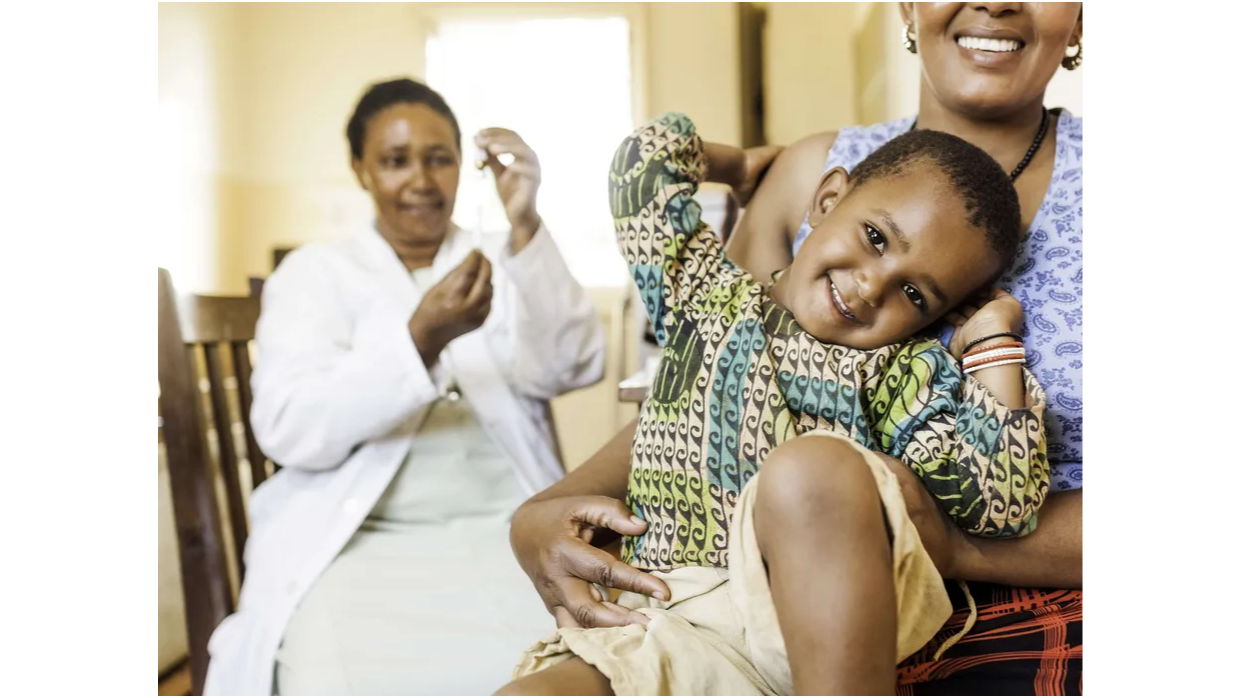
Global immunization campaigns are at a crossroads. As donor funding continues to decline, many countries are entering a new era where domestic financing must take the lead. For advocates and public health policymakers, this shift comes with both urgency and opportunity.
In 2024, low- and middle-income countries supported by Gavi contributed toward their immunization programs—a 19% increase over the previous year. And between 2026 and 2030, those same countries are projected to finance nearly $4 billion, accounting for almost half of the total program costs.
This signals a major move toward country ownership. But transitioning from external aid to national funding streams isn't simple—and that's where plays a pivotal role.
While vaccine development and delivery get most of the spotlight, the work of convincing governments to prioritize immunization in national budgets often happens behind the scenes. Yet without that work, many vaccine programs stall before they start.
Advocates are juggling:
Worse, outbreaks of vaccine-preventable diseases have increased by since 2021, placing additional pressure on health systems still recovering from the pandemic.
The good news? Advocacy approaches are evolving to meet these new challenges. Recent years have shown a rise in:
Countries like Nigeria—facing a $200 million annual immunization funding gap—are tapping into these strategies to sustain vaccine access despite fiscal constraints. Meanwhile, localized solutions such as SMS health reminders are proving effective in increasing vaccination rates in hard-to-reach communities.
For those working in policy and health systems strengthening, staying informed about practical, real-world advocacy strategies is key. Initiatives that spotlight effective policy work—such as bilingual podcast series like ""—are helping bring these efforts to the forefront, sharing what's working across regions and making insights accessible in multiple languages.
These platforms aren't just offering stories—they're surfacing blueprints that can inform local strategy.
As countries take on more responsibility for their immunization programs, the advocacy world is adapting in kind—focusing less on donor-driven goals and more on long-term sustainability, domestic leadership, and community-first narratives.
For global health leaders, now is the time to listen, learn, and that center policy as a lever for change.


