Ever wonder why your expensive moisturizer isn’t working? The secret might be in understanding how hyaluronic acid actually traps water at the molecular level – and why the molecular weight you choose makes all the difference.
Understanding how hyaluronic acid works at the molecular level reveals why this naturally occurring compound has become a cornerstone of effective skincare. The science behind its moisture-trapping abilities explains how a single ingredient can transform dry, aging skin into a hydrated, youthful complexion.
The extraordinary water-binding capacity of hyaluronic acid stems from its unique molecular structure. A single gram of HA can hold up to one liter of water, creating an efficient moisture reservoir within skin tissue. This glycosaminoglycan exists naturally throughout the human body, with the highest concentrations found in skin, joints, and eyes where hydration remains critical for proper function.
The molecule's ability to attract and bind water molecules occurs through hydrogen bonding, where HA's long chain structure creates multiple binding sites. Each hyaluronic acid molecule can bind up to 1000 times its weight in water under optimal conditions.
Hyaluronic acid operates as a sophisticated humectant system, drawing moisture from multiple sources to create optimal skin hydration. The mechanism involves three distinct processes that work together to establish moisture management throughout skin layers.
The molecular attraction between HA and water molecules activates immediately upon application to moist skin. Environmental humidity provides one source of water, while the skin's natural moisture content offers another reservoir. This dual-source hydration explains why dermatologists recommend applying HA serums to slightly damp skin for maximum effectiveness.
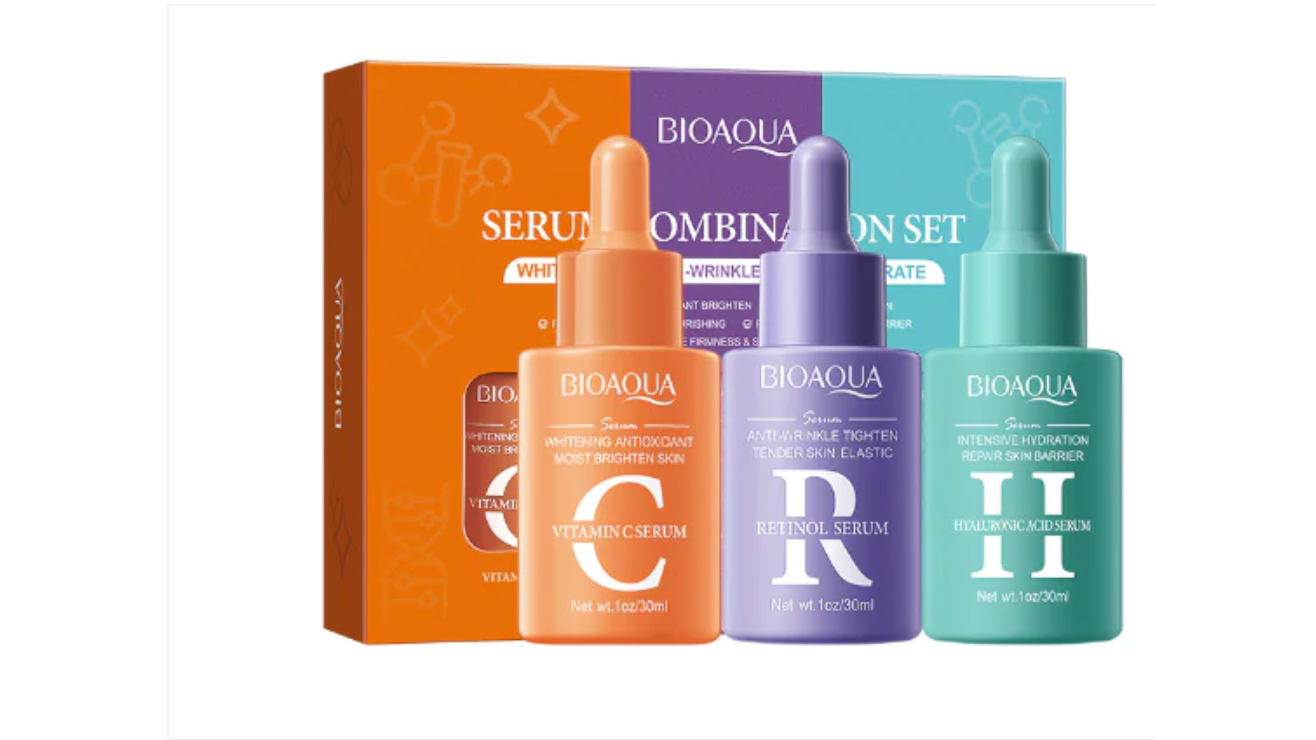
Professional skincare formulations like the BIOAQUA A-Hyaluronic Acid Face Serum combine multiple molecular weights of HA, which may provide hydration benefits.
The formation of hydration networks occurs when HA molecules distribute throughout different skin layers, creating interconnected moisture pathways. These networks facilitate water movement from deeper dermal layers toward the surface, while simultaneously preventing excessive water loss through the epidermis.
Low molecular weight HA penetrates into the upper dermis, establishing deep hydration anchors. Meanwhile, medium and high molecular weight molecules create intermediate and surface-level moisture barriers. This multi-layered approach ensures sustained hydration across all skin depths.
Transepidermal water loss (TEWL) represents a major cause of skin dehydration and premature aging. Hyaluronic acid strengthens the skin's natural barrier function by filling intercellular spaces and supporting the lipid bilayer structure that prevents moisture escape.
The enhanced barrier function also provides protection against environmental stressors, pollutants, and UV damage that can compromise skin hydration. Research indicates that consistent HA application can help reduce TEWL with regular use.
The molecular size of hyaluronic acid directly determines its penetration depth and primary function within skincare applications. Understanding these differences allows for targeted treatment approaches based on specific skin concerns and desired outcomes.
Low molecular weight hyaluronic acid (5-300 kDa) possesses the smallest molecular structure, enabling penetration through the stratum corneum into deeper skin layers. This size advantage allows it to reach the upper dermis, where it can directly influence dermal hydration and support collagen synthesis.
The smaller molecules create more concentrated hydration pockets within skin tissue, leading to visible plumping effects from within. Studies suggest that low molecular weight HA can improve skin elasticity with consistent application over several weeks.
High molecular weight HA (1000-2000 kDa) remains primarily on the skin's surface due to its larger molecular structure. Rather than penetrating deeply, it forms a protective film that prevents moisture loss while providing immediate surface hydration and smoothing effects.
This surface action creates an invisible moisture barrier that can hold environmental humidity against the skin throughout the day. The immediate smoothing effect helps reduce the appearance of fine lines through temporary plumping of the skin's surface layer.
The body's natural production of hyaluronic acid begins declining as early as the mid-twenties, with significant reductions becoming apparent by age 40. This gradual decrease contributes to the visible signs of aging including dryness, loss of firmness, and the development of fine lines and wrinkles.
UV radiation accelerates the breakdown of existing HA while simultaneously reducing the skin's ability to synthesize new molecules. Chronic sun exposure can significantly reduce dermal HA content compared to protected skin areas. The combination of reduced production and increased breakdown creates a moisture deficit that becomes more pronounced over time.
Environmental factors including pollution, harsh weather conditions, and lifestyle stress further compromise natural HA levels. Smoking, poor nutrition, and inadequate hydration can additionally reduce the skin's ability to maintain optimal hyaluronic acid concentrations.
Research demonstrates that topical hyaluronic acid applications provide measurable improvements in skin appearance and function. Clinical trials consistently show significant reductions in fine line depth and improvements in overall skin texture with regular HA use.
The volumizing effect of hyaluronic acid occurs through deep tissue hydration that literally fills in depressed areas where wrinkles form. As HA molecules bind water within skin layers, they create internal pressure that pushes outward against wrinkle formations.
Research using high-resolution imaging shows that consistent HA application can reduce wrinkle depth with regular use over several weeks. The most dramatic improvements occur in expression lines around the eyes and mouth, where skin is naturally thinner and more prone to dehydration.
Proper hydration levels remain vital for maintaining skin elasticity, and hyaluronic acid's moisture-binding capacity directly supports this function. Well-hydrated skin demonstrates improved resilience to stretching and faster recovery to its original shape after manipulation.
The relationship between hydration and elasticity involves the skin's extracellular matrix, where HA helps maintain optimal conditions for collagen and elastin fiber function. Clinical measurements show elasticity improvements with consistent HA treatment over time.
Adequate hydration creates an optimal environment for fibroblast activity and collagen synthesis. Hyaluronic acid not only provides the necessary moisture but also sends cellular signals that can stimulate collagen production pathways.
The improved skin tightness results from both immediate hydration effects and long-term structural improvements. Research indicates that regular HA use can influence dermal thickness measurements with consistent application over several months, contributing to firmer, more resilient skin texture.
Implementing hyaluronic acid into a daily skincare routine requires understanding proper application techniques and product selection. The most effective results come from consistent use combined with complementary ingredients that work synergistically with HA's moisture-binding capabilities.
Professional formulations often combine multiple molecular weights to achieve hydration benefits. Look for products that include additional hydrating ingredients like glycerin, ceramides, or peptides that work synergistically with HA for improved results.
Application timing matters significantly for optimal benefits. Morning application provides all-day hydration protection, while evening use supports overnight skin repair processes. Applying HA to slightly damp skin maximizes its moisture-drawing potential and improves overall absorption.
The key to transforming skin hydration lies in selecting high-quality formulations that combine scientific backing with proven ingredients. Profiler Digital offers skincare solutions that include hyaluronic acid for skin hydration benefits.


