How Health Data Gaps Affect Equity & Policy In LMICs: 1 Billion Lives At Stake

Aug 9, 2025

Over one billion people live without being counted in their country’s health systems. Without reliable data, policies fail, resources fall short, and lives remain invisible. Here’s why fixing the global health data gap is essential—and how experts are helping countries do it.
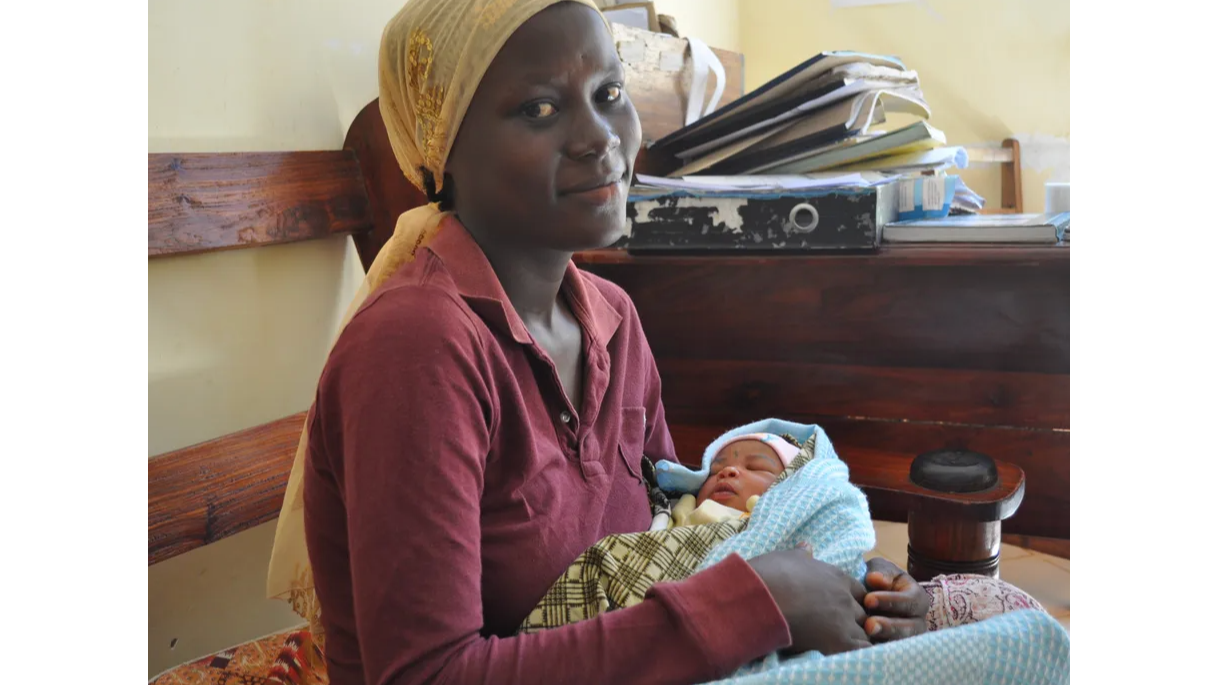
Imagine trying to build a healthcare system without knowing how many people are being born—or dying. That's the reality in many low- and middle-income countries (LMICs), where important health data is often missing, outdated, or inaccessible. Without complete records, governments are left to guess where services are needed, which populations are most vulnerable, or whether their policies are even working.

The result? Millions are left behind. And despite decades of health investments, data inequity remains one of the most overlooked barriers to health equity, the experts at Global Health Advocacy Incubator say.

The Hidden Crisis Behind Health Policy Failures

Across LMICs, health data systems face five core challenges:

  • Inaccessible formats. PDFs, paper forms, and siloed platforms make data difficult to access, especially for frontline workers and local decision-makers.
  • Limited interoperability. Ministries, agencies, and NGOs often operate on incompatible platforms, making real-time coordination nearly impossible.
  • Under-resourced infrastructure. Chronic funding shortages, lack of trained staff, and weak digital infrastructure mean data collection is patchy at best.
  • Weak governance. Many countries lack clear legal frameworks for data privacy, sharing, and standardization—creating confusion, mistrust, and missed opportunities.
  • Incomplete or fragmented data. In many regions, different systems—like patient records and lab reports—don't "talk" to each other. Data may be missing, inconsistent, or stored in paper files that can't be analyzed efficiently.

Why It Matters: Beyond Numbers

This isn't just a technical problem—it's a policy one. Research shows that:

  • Nearly 40% of global deaths go unrecorded
  • Up to 50% of health data in some countries is missing
  • Thirty-six million babies are born each year without birth registration

Without accurate data, policymakers can't allocate resources, track progress, or identify communities in need. And when data is missing, inequities deepen. Health interventions become reactive instead of proactive. Vulnerable groups are overlooked. And during crises, governments struggle to respond swiftly.

Closing the Gap: What's Working

The good news? A growing number of experts, civil society organizations, and governments are tackling this challenge head-on. Here's what's making an impact:

  • Training programs for frontline health workers that improve data literacy and accuracy
  • Stronger governance frameworks that emphasize data rights, interoperability, and ethical use
  • Conceptual models that promote inclusive data collection and invest in human capital at all levels
  • Community-led co-design approaches that ensure digital innovations are equitable and context-appropriate
  • Open data initiatives that promote transparency, interoperability, and accessibility through global standards
  • Digital health technologies like mobile apps, AI tools, and cloud-based platforms that make data collection faster, more accurate, and more accessible
  • Policy reform support from advocacy organizations, such as the Global Health Advocacy Incubator, which helps governments modernize civil registration systems, pass inclusive legislation, and secure domestic funding

From Cambodia to the Maldives, these solutions are showing that equity-centered, system-wide improvements are possible—and already in motion.

A Future Built on Data Equity

At its core, health data equity is about visibility—about ensuring every person counts, and every life is recorded with dignity. It’s about giving governments and communities the tools to act, not just react.

If you're exploring how to strengthen data systems or advocate for policy change in your region, experts in this space—such as those at Global Health Advocacy Incubator—can offer insights and support for creating lasting, evidence-based impact.

Web Analytics
