North Carolina runners highlight the benefits of half-marathon participation, showing how training boosts cardiovascular health, endurance, and mental resilience while fostering social connections and community involvement. Runners can also contribute to charitable causes, combining personal achievement with meaningful impact.
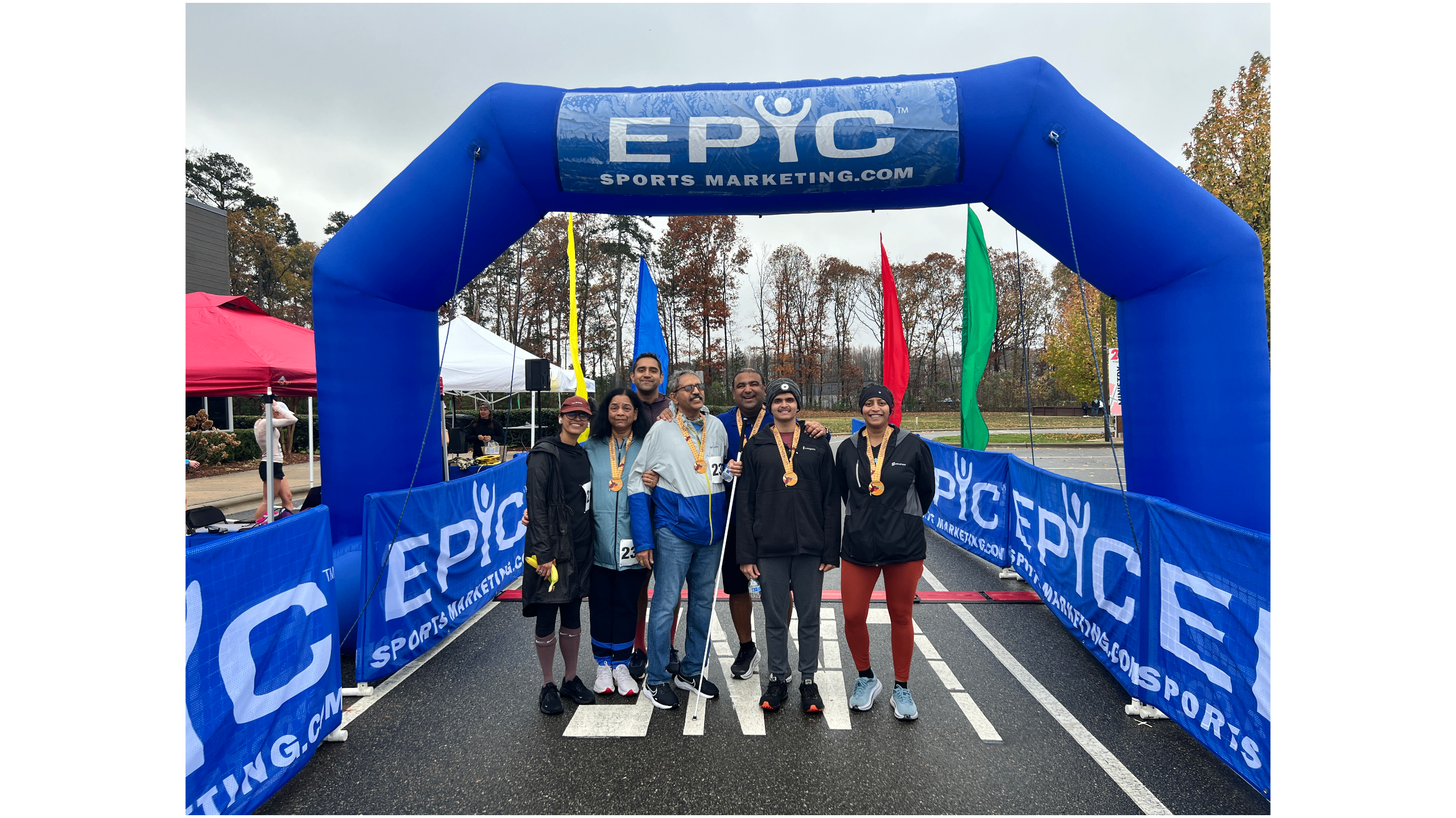
Half marathons challenge both the body and the mind, offering health advantages that shorter runs cannot provide. Participating in organized events ensures runners can experience these benefits in a safe, structured environment, confirms the North Carolina-based expert team at Epic Sports Marketing.
In this article, we explore how half-marathon training improves cardiovascular health, builds endurance, enhances mental resilience, and promotes community engagement.
Many people underestimate the impact of structured long-distance running. Training for a half-marathon requires a consistent schedule, mental focus, and physical effort, all of which translate into meaningful health improvements.
Cardiovascular strength improves as the heart and lungs adapt to increased oxygen demand, while consistent running supports stronger muscles and joints. The mental discipline needed to complete a half-marathon also helps individuals handle stress and maintain motivation in daily life.
Training for a half-marathon affects multiple aspects of physical health. These benefits include:
These improvements are cumulative, meaning consistent training produces lasting changes in fitness levels, energy, and general physical health. Novice runners often notice enhanced stamina, improved posture, and a greater ability to manage daily physical tasks.
Half-marathon training offers substantial mental benefits alongside physical improvements. The repetitive motion of running releases endorphins, which reduce stress and promote a positive mood. Consistent training can improve focus, problem-solving ability, and emotional resilience, allowing participants to manage challenges more effectively.
The structure of organized events amplifies these mental benefits. A professional race environment, timed results, and seasonal themes provide motivation, while spectators and fellow runners create a supportive atmosphere that reinforces commitment and satisfaction.
Half-marathons offer more than physical and mental benefits; they foster social engagement. Events connect runners, volunteers, and spectators in a supportive community environment. This social interaction encourages consistency in training and promotes positive lifestyle habits.
Race-day events often include themed entertainment, music, and local sponsorships that create excitement along the course. Spectators provide encouragement, which improves motivation and enhances the overall experience. Participating in these community-focused races builds camaraderie, accountability, and enjoyment, making the experience meaningful beyond personal performance.
Half marathons are often more than personal fitness challenges; they provide meaningful opportunities to support charitable causes. Many organized races partner with nonprofits, allowing participants to raise funds for local or national organizations while pursuing their fitness goals. This philanthropic aspect encourages runners to train with purpose, knowing their effort contributes to a broader social impact.
Raising money for charity can take several forms:
The half-marathon is long enough to provide a significant challenge but short enough to be attainable for runners of varying abilities. It offers measurable results in endurance, strength, and mental toughness without the months of preparation required for a full marathon.
Courses are professionally managed, with clear signage, hydration stations, and trained volunteers ensuring a safe environment. Scenic routes provide mental stimulation and enjoyment during the run. These factors help participants maintain focus, pace themselves appropriately, and fully experience the benefits of long-distance running.
Many runners hesitate to tackle a half-marathon due to concerns about time, injury, or pacing. These obstacles can be addressed through practical strategies:
Incorporating these methods helps runners train efficiently, avoid burnout, and safely achieve personal goals.
Half-marathon training encourages lifelong healthy habits. Participants often continue running after completing their first race because the physical, mental, and social benefits are tangible and rewarding. Runners report:
These benefits reinforce why half marathons are a practical goal for both new and experienced runners.
For those attempting a half-marathon for the first time, practical advice can improve both performance and enjoyment:
These small adjustments enhance both physical performance and overall satisfaction, making the race experience positive and rewarding.
Half marathons offer more than just physical exercise; they provide measurable mental, emotional, and social benefits that extend well beyond crossing the finish line. These events give runners of all experience levels a safe, structured, and motivating environment to challenge themselves, enjoy scenic routes, and connect with fellow participants.
By combining personal achievement with community engagement, half marathons create an inclusive experience that nurtures wellness, fosters relationships, and encourages a sense of accomplishment that lasts long after the race ends.


