Scared of the dentist? Explore how compassionate care, communication, and simple coping strategies can make treatment easier.
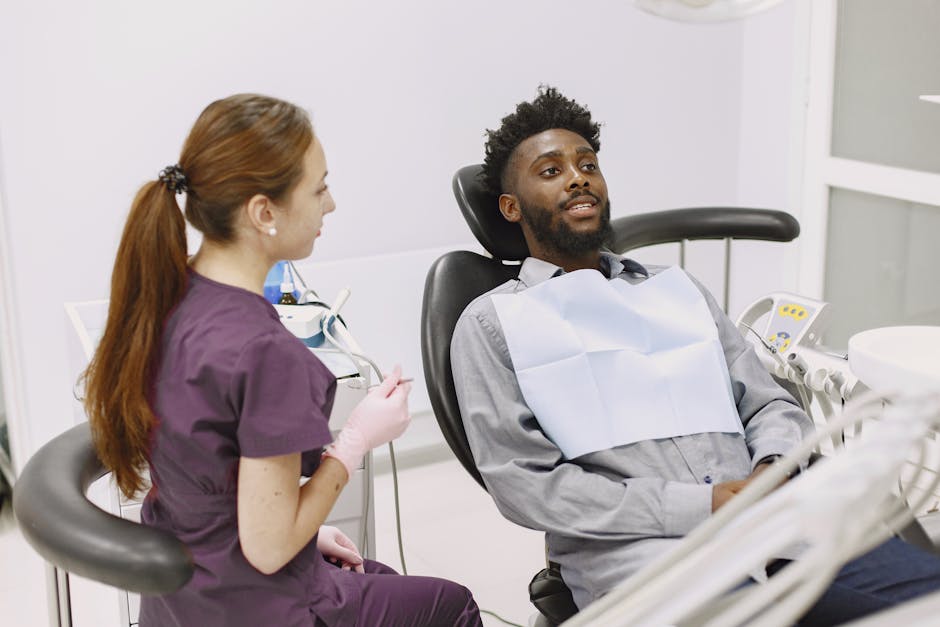
Scheduling a dental appointment can feel like routine task for many; for others, it can trigger stress days in advance.
The nervousness can range from mild discomfort to full-blown anxiety that causes people to postpone appointments for months or even years. And it’s far more common than many realize. Nearly 73% of American adults experience some level of dental fear, according to the National Institutes of Health. About 36% have enough anxiety to feel genuinely distressed about appointments - and somewhere between 9% and 20% avoid dental care entirely because of it.
The difficult part is that avoiding the dentist usually makes the experience harder later, as simple treatments become more complex, more expensive, and emotionally more overwhelming over time.
The dental experts at Illume Dental of McKinney explain that this cycle is one reason dentists now place much more emphasis on patient comfort, communication, and anxiety management than they did years ago.
Dental anxiety does not always come from one single experience. It can arise from a painful childhood procedure or a negative interaction years earlier. Others feel uncomfortable with the sounds, smells, or loss of control involved in treatment. Some fear needles, drills, choking sensations, or embarrassment about the condition of their teeth.
And sometimes the fear builds gradually after avoiding appointments for a long time. The longer someone waits, the more worried they become about what the dentist might find or how much treatment they may suddenly need. That emotional buildup can make even routine cleanings feel intimidating.
One of the biggest misconceptions about dental anxiety is the belief that avoiding appointments prevents stress.
Most dental problems worsen gradually when left untreated. A small cavity that might have required a simple filling can eventually lead to infection, root canal treatment, or extraction if ignored long enough.
That’s why preventative care matters so much for anxious patients specifically. Routine visits are usually shorter, simpler, and less invasive than emergency treatment appointments.
When people hear the phrase “compassionate dental care,” they sometimes assume it simply means being friendly.
Actually, it involves much more than that - compassionate care often focuses on reducing uncertainty and helping patients feel more in control during treatment.
That can include:
For highly anxious patients, even small adjustments can make a significant difference psychologically. Knowing what to expect often reduces fear more than people anticipate.
Some dental offices now offer virtual consultations or pre-appointment conversations for anxious patients.
This allows patients to ask questions, discuss fears, and understand what an appointment may involve before physically sitting in the dental chair.
For people with significant anxiety, that first conversation can lower uncertainty enough to make the actual visit feel more manageable.
It also gives patients a chance to evaluate whether the practice feels supportive and communicative before committing to treatment.
While severe dental phobia sometimes requires professional mental health support, many people benefit from smaller practical strategies that reduce stress before visits.
Scheduling appointments earlier in the day often helps because there’s less time to build anxiety beforehand.
Avoiding excessive caffeine can also help reduce physical tension and nervousness.
Many patients find it useful to communicate openly with the dental team before treatment starts instead of trying to hide their anxiety. Dentists who know a patient feels nervous can often adjust pacing, explanations, or comfort measures accordingly.
Bringing headphones and listening to music or podcasts during treatment also helps many patients stay calmer and less focused on surrounding sounds.
Breathing techniques help too, as slow breathing signals the nervous system to reduce stress responses, especially during moments where tension starts building physically.
Some anxious patients assume sedation is the only solution available. While sedation dentistry can absolutely help certain individuals, many patients improve significantly through communication, pacing, and supportive care alone.
Nitrous oxide, oral sedation, or deeper sedation options may still be appropriate for severe anxiety or extensive procedures, but they are not always necessary for routine visits.
In many cases, rebuilding trust with dental care gradually is what matters most long term.
Parents sometimes unintentionally transfer dental anxiety to children through language and behavior.
Phrases like “this won’t hurt” or “don’t be scared” can actually increase tension because they signal that something frightening may happen.
Children usually respond better when dental visits are framed calmly and routinely instead of emotionally.
Positive early experiences also matter heavily. Kids who grow up with regular preventative visits often develop far less anxiety surrounding dental care as adults.
People with dental anxiety often feel embarrassed about how long they’ve waited between appointments. But dentists see anxious patients every day.
Most would rather help someone restart care gradually than see problems worsen because fear kept them away longer. Even scheduling an exam or consultation after years of avoidance is still progress.
And once patients experience calmer, more supportive treatment environments, many discover that modern dentistry feels very different from what they feared or remembered years earlier.
Dental anxiety is extremely common, and for many people, it affects whether they receive care consistently at all. Unfortunately, avoiding treatment usually leads to larger dental problems that become more stressful physically, emotionally, and financially over time.
That’s why compassionate care matters. Clear communication, supportive environments, predictable treatment, and patient-centered pacing can significantly reduce dental fear and help anxious patients feel more comfortable while receiving preventative care regularly.


