Many TV shows portray nurses realistically. Shows such as Mercy, and Scrubs do this well. Other medical shows, while popular, focus almost entirely on physicians and residents with nurses portrayed as side roles.
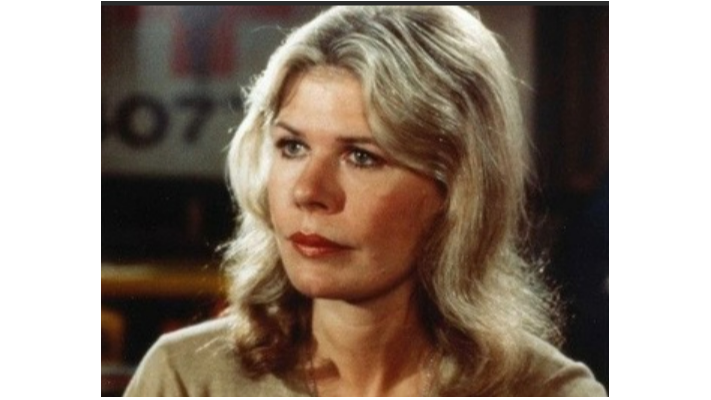
Margaret “Hot Lips” Houlihan wasn’t just dealing with snarky comments in M*A*S*H. She was living the exact pattern nurses still face today: isolation, gossip, exclusion, and a nickname that sexualized her instead of respecting her rank. Her breakdown wasn’t over drama. It was over disrespect that kept stacking until she couldn’t hold the weight anymore. It came when she finally revealed to her nurses that she always felt ostracized by them - they never invited her to talk, or even offered her “a lousy cup of coffee”.
The troubling part?
Decades later, nurses are still trapped in the same type of lateral violence.
Modern research shows most bullied nurses never report what’s happening. This isn’t a small detail. It’s a warning light. Margaret couldn’t name what she was facing, and many nurses today can’t risk naming it either.
The reason hasn’t changed. Fear still wins.
Blog The EPIC Audience Connection explores the issue of nurse-to-nurse bullying in multiple posts.
Why So Many Nurses Stay Quiet
Margaret’s struggle mirrors the three biggest reasons today’s nurses keep their heads down even when they’re being targeted.
1. Job Security Feels Fragile
Margaret worked in a closed environment where rank, loyalty, and reputation meant everything. One wrong move, and you were out. Nurses today feel that same pressure. Speaking up can get you labeled as difficult. Or disloyal. Or a problem. When the bully has more influence—like Margaret’s peers did—the fear of backlash grows fast.
Real nurses see what happens when someone reports. They see careers stall. They see people get pushed out. Silence feels safer.
2. Reporting Risks the Team Dynamic
Margaret’s entire job depended on tight teamwork. Nurses understand this pressure. They know they’ll still have to share shifts with the same people even after a report is filed. No one wants to be iced out like Margaret was. No one wants to lose backup on a tough night. So nurses stay quiet to keep the peace, even when that peace costs them.
3. Management Doesn’t Always Step In
Margaret didn’t get support from leaders who should have stepped in. She was the leader. Nurses today face the same brick wall. Many who report bullying get dismissed, blamed, or ignored. When management shrugs off a complaint, the entire unit learns the same lesson Margaret learned the hard way: “No one is coming.”
This is how a culture of silence gets built. And once silence takes root, bullying flourishes.
What Silence Costs Patients
In M*A*S*H, Margaret’s emotional weight affected her ability to lead. Today the stakes are higher. When nurses experience bullying, patient care suffers.
Studies show alarming numbers:
What Margaret went through wasn’t just personal pain. It was the same chain reaction we see now: emotional overload leads to distraction, distraction leads to errors, and patients pay the price.
The Personal Damage Mirrors Margaret's Breaking Point
Margaret was exhausted. Frustrated. Overwhelmed. Cornered.
Modern nurses feel the same:
Margaret’s emotional collapse on screen was treated as a dramatic moment. For real nurses, that moment happens quietly behind closed doors, with no writers, no laughter track, and no support.
Organizational Failures Keep the Cycle Rolling
The biggest issue isn’t the bully. It’s the system that lets the bully operate.
Many healthcare employers still lack solid anti-bullying policies. Many fail to train staff on how to recognize or respond to abuse. Many don’t protect nurses who report. Margaret lived through that system in fiction. Nurses today live through it in real life.
Without clear rules, clear consequences, and clear protection, the wrong people hold the power. And the right people stay silent.
How Hospitals Break the Pattern Margaret Faced
Modern healthcare doesn’t have to repeat the plot line of The Nurses. Evidence-based solutions work:
When organizations put these pieces in place, bullying drops. Culture shifts. Nurses feel stronger. And patient care improves.
Loretta Swit didn’t like the nickname “Hot Lips.” She felt it undercut Margaret’s authority and professionalism. Through her efforts, the show gradually phased it out. The last time the name appeared was in Season 8 (Episode 5: “Goodbye, Radar—Part 2”).
It remained for 8 of the show’s 11 seasons. That’s a long time for a bad label to live on.
Margaret’s evolution on screen mirrored the change many nurses still fight for today.
What About Tools?
Margaret never got the tools she needed.
Today’s nurses can.
There are many opportunities for nurses to learn how to deal with nurse-to-nurse bullying.
The best ones give frontline staff tactical communication skills for those tense moments when someone crosses the line. It teaches nurses how to hold their ground without losing their power - as it is happening on the unit. It gives teams shared language so they can back each other up. And it helps leaders stop brushing off behavior that damages patients and staff.
The silence Margaret lived in should have stayed in fiction.
It didn’t.
But it doesn’t have to stay that way.


