Your roof might not need a complete replacement, but how do you know if restoration is the right call? Understanding the warning signs could save you thousands of dollars and weeks of construction disruption, especially in coastal climates where roofs age faster.
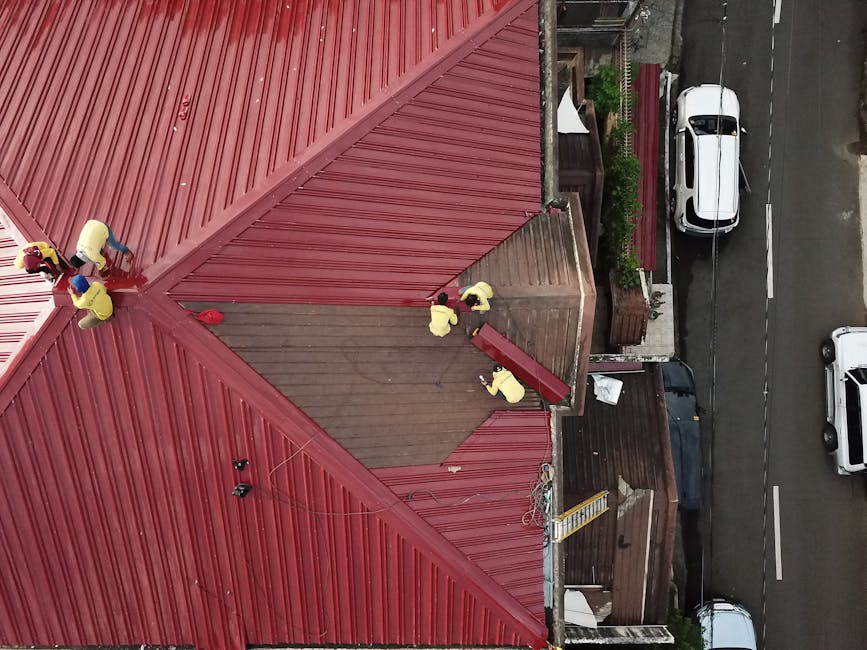
For homeowners dealing with coastal weather conditions, understanding when roof restoration makes sense can save thousands of dollars while ensuring long-term protection. The distinction between restoration and replacement isn't always clear, but recognizing the right signs can help make an informed decision that protects both your home and budget.
Roof restoration is a thorough renewal process that focuses on repairing and rejuvenating existing roof components rather than starting from scratch. The process begins with a detailed inspection to assess the roof's current condition and identify areas needing attention.
The restoration typically involves high-pressure cleaning to remove debris, moss, lichen, and accumulated dirt that can damage roofing materials over time. After cleaning, the roof restoration contractor repairs specific issues like replacing broken tiles, fixing damaged flashing, and addressing minor structural problems. The final steps include priming vulnerable areas and applying protective coatings or membranes designed to seal and weatherproof the entire roof surface.
Recognizing the early indicators of roof deterioration helps homeowners address issues before they escalate into costly problems requiring full replacement. These warning signs typically appear gradually and signal that restoration can effectively extend the roof's lifespan.
Fading or discoloration across roof surfaces indicates UV damage and weathering that affects both appearance and protection. Minor cracked, chipped, or broken tiles create entry points for moisture, while rust formation on metal roofing components signals oxidation that can spread if left untreated. These surface-level issues respond well to restoration techniques that clean, repair, and protect existing materials. However, extensive or widespread tile damage may indicate the need for full replacement.
Recurring minor leaks that don't indicate major structural damage suggest that sealing and waterproofing can resolve the problem effectively. Increased energy costs often signal that the roof's insulating properties have diminished due to gaps, cracks, or deteriorated materials. Restoration addresses these efficiency issues by resealing the roof system and applying reflective coatings that improve thermal performance.
Loose or damaged ridge capping, while concerning, doesn't necessarily require full roof replacement when the underlying structure remains intact. Light moss, lichen, or algae growth indicates moisture retention that can be addressed through proper cleaning and protective treatments. These biological growths often signal drainage issues that restoration can correct without extensive reconstruction. Extensive growth that compromises structural integrity may require replacement instead.
The decision between restoration and replacement depends on specific structural and economic factors that determine the most cost-effective long-term solution.
Homes with structurally sound roofs exhibiting aging signs make ideal restoration candidates. Roofs under 20 years old with minor leaks, surface weathering, or cosmetic deterioration typically respond excellently to restoration processes. Properties where the underlying decking, supports, and framework remain intact can benefit significantly from restoration's renewal approach while avoiding the expense and disruption of complete replacement.
Roofs over 20 years old with severe structural damage require complete replacement to ensure long-term safety and protection. Extensive storm damage affecting multiple roof layers, significant leaks causing interior damage, or situations where frequent repairs become more expensive than replacement indicate that restoration won't provide adequate solutions. When the roof's structural integrity is compromised, replacement becomes the only viable option for lasting protection.
The financial and practical advantages of restoration make it an attractive option for eligible homes, particularly in coastal areas where weather exposure accelerates aging.
Roof restoration typically costs 40-60% of full replacement expenses, with restoration ranging from a few thousand to $15,000 for average-sized homes, while full replacements can cost $10,000 to $50,000 or more depending on materials and complexity. This significant cost difference allows homeowners to allocate saved funds toward other home improvements or emergency reserves while still achieving effective roof protection.
Restoration projects typically require only 1-2 days for standard residential homes compared to a week or longer needed for complete roof replacement. This shorter timeline minimizes disruption to daily routines and reduces the risk of weather-related complications during construction. The less invasive process also means reduced noise, debris, and general household disruption that accompanies major construction projects.
Professional roof restoration can extend a roof's functional lifespan by 5 to 15 years, with some protective coatings offering warranties up to 20 years. This extension provides excellent return on investment, particularly when compared to the immediate expense of full replacement. The protective coatings and sealants used in restoration create barriers against UV damage, moisture penetration, and thermal cycling that typically cause roof deterioration.
The longevity benefits become even more significant when homeowners maintain the restored roof properly and consider recoating as needed. This approach allows indefinite extension of roof life as long as the building's structural integrity remains sound, making restoration a sustainable long-term roofing strategy for many properties.


