Google Autocomplete reveals exactly how local customers search, and most businesses are leaving that data completely untapped. Understanding the connection between predictive search and local SEO could be the difference between showing up first or not showing up at all.
In February 2026, Google rolled out its first-ever Discover-only core update, placing fresh emphasis on locally relevant content and demonstrated expertise. The signal for small businesses is hard to miss: understanding how Google interprets and predicts local search behaviour is no longer optional.
Essex-based digital growth specialists Appkazoo offer insight into how predictive search is reshaping local SEO strategy across the county, as more businesses compete for visibility in an increasingly crowded local search landscape.
Data from ElectroIQ shows Google now processes roughly 8.5 billion searches every single day, with approximately 23% of users selecting an autocomplete suggestion before finishing their query. For Essex businesses, those predicted phrases quietly determine which local businesses get found and which ones get skipped entirely.
Google Autocomplete generates real-time predictions as users type in the search bar, drawing on trending searches, user location, language preferences, and past search behaviour to predict the most likely intended query. That last detail, location, is where things get particularly interesting for local businesses. Two people searching the same phrase from different Essex towns can see completely different suggestions, which means local alignment matters far more than most business owners realise.
Beyond that, autocomplete does not simply finish a thought that users already had. Quite often, users select a predicted phrase they would never have typed independently, which means the feature is quietly steering search behaviour at scale. When a business's content does not match those predictions, it disappears at the exact moment a nearby customer is making a decision.
Most small business owners interact with autocomplete daily without thinking about it strategically, and that gap has real consequences. Because autocomplete suggestions are shaped by location data, businesses whose content reflects locally predicted phrases hold a quiet but measurable advantage. It is not just about ranking for keywords anymore; it is about appearing in the specific language a local market already uses.
Reputation plays into this, too, and in a way that catches many businesses off guard. When someone types a business name into Google, the autocomplete predictions alongside it form an instant first impression, often before a single review gets read. Negative associations in those suggestions can drive potential customers away before any real engagement even begins.
Standard keyword tools report search volume, but autocomplete surfaces something more valuable: the actual phrasing people use when they need a nearby service right now. That distinction between data and real language is precisely why predictive search is such a practical starting point for local keyword research.
Searching in incognito mode removes personal search history from the results, which produces a cleaner and more accurate picture of what the broader local audience actually sees. From there, those predictions become a reliable foundation for building content around genuine, current local demand rather than guesswork.
Practical ways to build a stronger local keyword list from autocomplete include:
Once those predictive phrases are identified, the logical next step is building content that mirrors that language directly. Blog posts, FAQs, location pages, and service descriptions written around autocomplete phrases tend to perform better because they match what users were already thinking when they started typing. For Essex businesses in competitive niches like trades, healthcare, or legal services, that alignment between content and local search intent can make a significant visibility difference.
Voice search has pushed this even further. Because autocomplete draws from actual search patterns, including voice queries, it naturally reflects the longer, more conversational phrases people speak aloud rather than type. Businesses that build content around those formats move noticeably ahead of competitors still relying on short, outdated keyword styles.
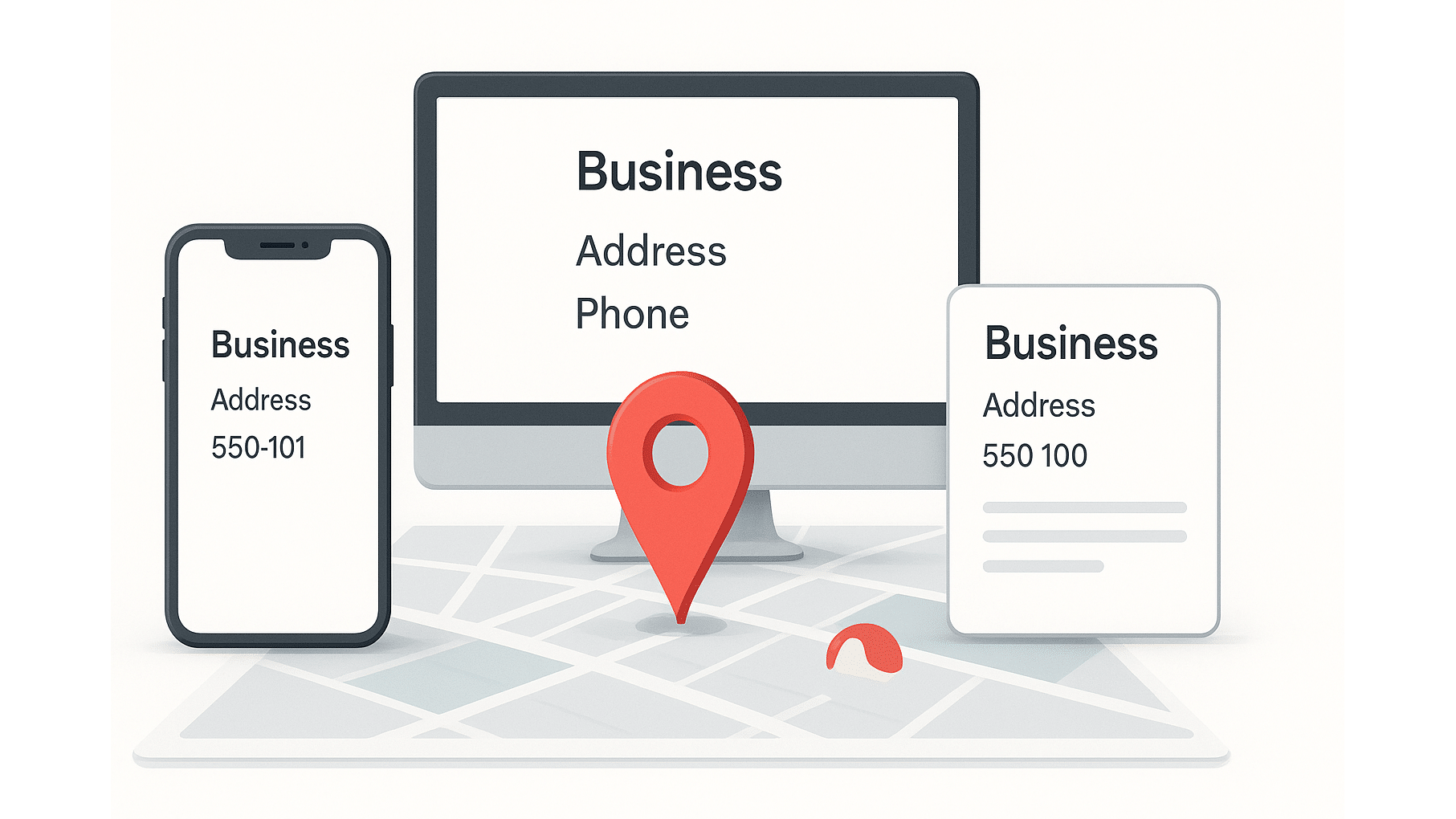
Given that autocomplete relies heavily on location signals, a well-maintained Google Business Profile contributes far more to predictive search visibility than most business owners expect. Accurate and consistent business details, including name, address, phone number, and categories, give Google clearer signals when generating local predictions. Businesses that keep their profiles active and well-optimised tend to benefit from more favourable autocomplete associations over time.
Genuine customer reviews feed directly into this as well, since positive engagement across the web strengthens the brand signals that push trust-building phrases into autocomplete results. It is a gradual process, but one that compounds. The businesses taking reputation management seriously today are the ones showing up in the right predictions six months from now.
Steps that strengthen a profile's connection to local predictive search include:
Autocomplete predictions tied to a business name reflect the broader health of an online presence, not just SEO performance on its own. When negative content gains traction, unfavourable phrases can start surfacing in autocomplete results, and that kind of visibility damage is genuinely difficult to reverse once it takes hold.
Consistent content publishing, sustained social media engagement, and authoritative backlinks from trusted local sources are the most reliable ways to shift those associations in a better direction. Positive brand signals built steadily over time tend to outweigh negative ones eventually. Still, businesses that manage this proactively carry a clear head start over those that wait for a problem to become obvious first.
Predictive search is not a separate tactic sitting outside local SEO; it is a direct reflection of how a local market thinks, searches, and makes decisions. Specialists working with Essex businesses point to autocomplete data as one of the most underused inputs for shaping content, keywords, and reputation at the same time.
Starting with an incognito search of core services alongside an Essex town name reveals what Google currently predicts for that local audience, and aligning website content with those phrases remains one of the most grounded improvements available for local visibility. For businesses in competitive Essex markets, working with a team that understands how predictive search connects to sustainable local growth consistently produces stronger and more lasting results.


