Every morning, your cluttered closet triggers the same stress response as physical danger, flooding your system with cortisol and hijacking your brain’s processing power. Princeton researchers discovered exactly why this happens—and how simple organization can break the cycle.
Most people underestimate how profoundly their living spaces affect their mental state. The connection between physical clutter and psychological distress runs much deeper than simple aesthetics—it's rooted in neuroscience and measurable through stress hormones. Understanding this relationship reveals why investing in proper organization isn't just about tidiness; it's about mental health.
Every morning starts the same way: standing in front of an overflowing closet, feeling overwhelmed before the day even begins. That familiar surge of stress isn't coincidental—it's the brain responding to visual chaos as a genuine threat. Neuroscientists have discovered that cluttered environments trigger the same stress responses as physical danger, flooding the system with cortisol and activating fight-or-flight mechanisms.
The closet, being one of the most frequently accessed spaces in the home, becomes a daily stress generator when poorly organized. Items falling off overstuffed shelves, clothes crammed into tight spaces, and the constant search for specific garments creates a pattern of morning anxiety that sets a negative tone for entire days. This repeated exposure to visual disorder trains the brain to associate getting dressed with stress, creating a psychological burden that extends far beyond the bedroom.
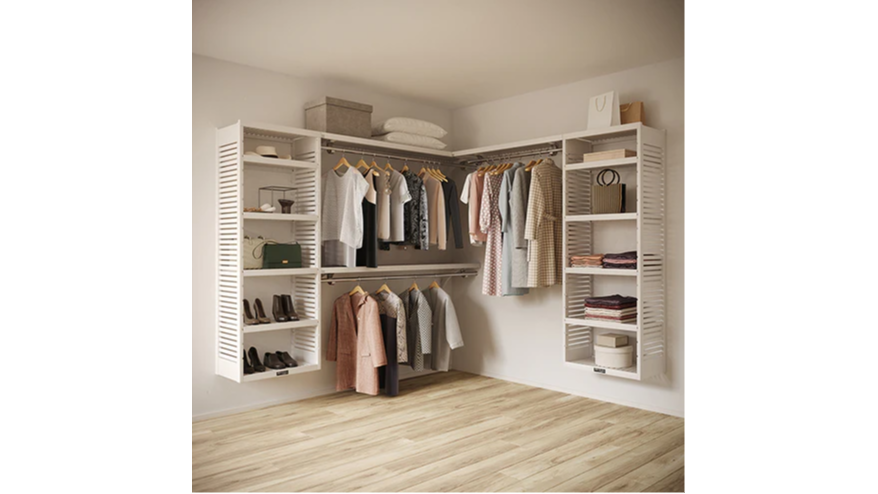
Modern research shows that our brains process cluttered environments as unfinished business, maintaining a low-level state of alertness even when we're not consciously focused on the mess. Custom solutions like L-shaped walk-in closet organizers transform these stress-inducing spaces into calming, functional environments that support mental clarity rather than undermining it.
Groundbreaking research has revealed that individuals, particularly women due to societal expectations around home maintenance, who described their homes as "cluttered" maintained significantly elevated cortisol levels throughout the day compared to those in organized environments. This chronic elevation of stress hormones creates a cascade of health problems, including disrupted sleep patterns, weakened immune function, and increased anxiety disorders.
Cortisol elevation from clutter doesn't just affect mood—it fundamentally alters brain chemistry. Prolonged exposure to high cortisol levels shrinks the hippocampus, the brain region responsible for memory and learning, while enlarging the amygdala, which processes fear and anxiety. This biological transformation explains why people in cluttered environments often report difficulty concentrating and increased emotional reactivity.
The Princeton University Neuroscience Institute made a remarkable discovery about how visual clutter affects cognitive function. Their research demonstrated that cluttered environments literally compete for neural representation in the visual cortex, limiting the brain's ability to process information effectively. When multiple visual stimuli vie for attention simultaneously, cognitive resources become divided, reducing overall mental performance.
This competition for neural processing power explains why people report feeling mentally exhausted in disorganized spaces. The brain continuously works to filter irrelevant visual information, consuming energy that could otherwise support focus, creativity, and problem-solving. In practical terms, a cluttered closet forces the brain to process dozens of irrelevant items while searching for specific clothing, creating unnecessary cognitive load during routine activities.
Sleep specialists consistently recommend minimalist bedrooms because cluttered sleeping areas serve as visual reminders of unfinished tasks, preventing the mental relaxation necessary for quality rest. Research shows that people living in cluttered homes experience higher rates of insomnia and poor sleep quality, as their brains remain partially activated by environmental chaos even during attempted rest periods.
The paradox of choice also plays a significant role in clutter-related mental exhaustion. When closets contain too many options without clear organization, the simple act of choosing what to wear becomes overwhelming. Decision fatigue sets in early, depleting mental energy needed for more important daily challenges. This effect compounds over time, contributing to chronic feelings of being overwhelmed and mentally drained.
Living with persistent clutter creates a cycle of self-criticism that erodes confidence and self-worth. Research indicates that cluttered environments contribute to feelings of inadequacy and shame, as people internalize their inability to maintain organized spaces as personal failures. This psychological burden becomes particularly heavy when the clutter feels overwhelming and unmanageable.
The emotional toll extends beyond frustration to genuine grief and disappointment. Many people report feeling defeated by their spaces, questioning their competence in other life areas based on their organizational struggles. This negative self-talk becomes a self-fulfilling prophecy, reducing motivation to address the clutter while simultaneously increasing the emotional weight of living with it.
Cluttered closets and bedrooms often lead to broader social isolation, as people become increasingly uncomfortable with unexpected visitors or houseguests. The embarrassment surrounding disorganized personal spaces can prevent individuals from hosting friends, accepting help, or maintaining normal social connections. Over time, this isolation compounds mental health challenges, creating additional layers of loneliness and disconnection.
The fear of judgment surrounding cluttered spaces becomes particularly acute in intimate relationships. Many people report anxiety about partners or potential romantic interests seeing their disorganized closets, leading to avoidance behaviors that can strain relationships and reduce emotional intimacy. This social withdrawal perpetuates the cycle of clutter-related mental health challenges.
Professional closet organization systems transform the daily dressing routine from a stressful ordeal into a smooth, efficient process. When everything has a designated place and items are easily visible and accessible, the cognitive load of getting dressed drops dramatically. Custom organizers with proper hanging systems, drawer configurations, and shelving eliminate the mental energy waste associated with searching through piles of clothing.
Strategic organization also enables better wardrobe planning and coordination. When clothes are arranged by type, color, or frequency of use, creating outfits becomes intuitive rather than overwhelming. This systematic approach preserves mental energy for more important decisions while reducing the stress hormones triggered by morning chaos.
Color-coordinated closet systems provide immediate visual calm and psychological benefits. Research shows that organized, harmonious color arrangements trigger positive emotional responses, reducing anxiety and promoting feelings of control and accomplishment. When clothes are grouped by color families, the visual effect creates a sense of order that translates to mental tranquility.
The psychological impact of color organization extends beyond aesthetics to practical benefits. Finding specific items becomes effortless when everything follows a logical color sequence, reducing frustration and time spent searching. This efficiency creates positive associations with the space, transforming the closet from a source of stress into a calming environment that supports well-being.
Proper closet organization maximizes available space while minimizing visual overwhelm. Custom shelving, hanging systems, and storage solutions ensure that every item has an appropriate place without creating cramped or chaotic conditions. When space is used efficiently, the closet feels larger and more manageable, reducing the claustrophobic feelings that contribute to stress.
Effective space utilization also prevents the accumulation of clutter by providing adequate storage for all belongings. When everything fits comfortably in designated areas, maintaining organization becomes effortless rather than requiring constant vigilance. This sustainable approach prevents the gradual slide back into chaos that often undermines organizational efforts.
Professional closet organization creates systems that maintain themselves with minimal effort. Unlike temporary solutions that require constant adjustment, well-designed organizational systems work with natural habits and routines. Custom configurations account for individual lifestyle patterns, ensuring that maintaining organization feels natural rather than burdensome.
Sustainable systems also adapt to changing needs over time. Quality closet organizers accommodate seasonal clothing changes, evolving fashion preferences, and life transitions without requiring complete reorganization. This flexibility ensures that the mental health benefits of organization persist long-term, providing ongoing stress reduction and improved well-being.
Even modest organizational improvements can generate significant psychological benefits. Research shows that taking control of small environmental factors creates a sense of personal agency that extends to other life areas. Simple additions like proper shelving, drawer dividers, or hanging systems can transform a chaotic closet into a source of daily satisfaction and accomplishment.
The key lies in creating systems that match individual needs and preferences rather than imposing generic solutions. Customized approaches ensure that organizational systems feel intuitive and sustainable, maximizing the mental health benefits while minimizing the effort required to maintain them. This personalized approach makes organization feel like self-care rather than obligation.
Modern closet organization solutions offer professional quality at accessible price points, making the mental health benefits of organized spaces available to various budgets. Professional installation ensures that systems are properly configured and maximally functional, eliminating the frustration and potential failure of DIY approaches that can actually increase stress levels.
Investment in professional organization pays dividends in reduced stress, improved sleep quality, and better daily functioning. When considered as a mental health intervention rather than a luxury purchase, closet organization represents exceptional value for improving quality of life. The daily benefits of reduced stress and increased efficiency compound over time, creating lasting improvements in overall well-being.
The connection between organized spaces and mental health represents one of the most accessible paths to improved well-being available today. Unlike complex therapeutic interventions or lifestyle changes, closet organization provides immediate, tangible benefits that compound over time. The daily reinforcement of order and control creates positive momentum that often spreads to other life areas.
Starting with the closet makes particular sense because this space affects daily routines while remaining private enough to experiment with organizational strategies. Success in this contained environment builds confidence and demonstrates the concrete benefits of addressing clutter systematically. The improvements in morning routines, stress levels, and overall life satisfaction provide compelling evidence for expanding organizational efforts to other areas.
The science is clear: environmental organization directly impacts mental health through measurable biological pathways. By addressing cluttered closets with professional organizational solutions, people can break free from daily stress cycles while building foundations for improved psychological well-being. The investment in organized spaces represents an investment in mental health with benefits that extend far beyond the closet walls.
Ready to break free from clutter-induced stress and transform your daily routine? Find custom closet organization solutions that support both functional needs and mental well-being.


