Heat pump water heaters use reverse refrigeration to move existing warmth from the air into your tank rather than generating heat from scratch. This efficiency drops electricity use by 70%, delivers $550 in annual savings, and lasts years longer than conventional systems.
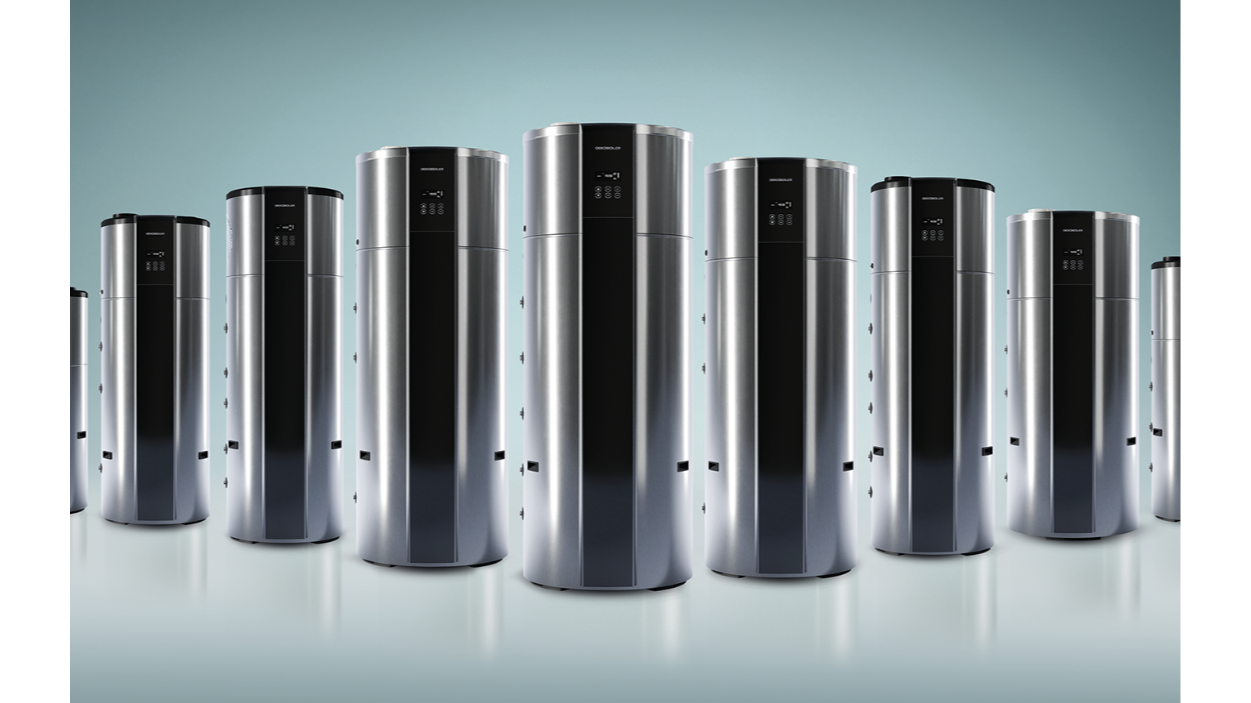
Most families spend between $400 and $600 every year just heating water for showers, dishes, and laundry. That's roughly 20% of what the average household pays for energy, which explains why many homeowners are rethinking their water heaters.
Heat pump water heaters work differently from the tank sitting in your basement right now, and companies focused on efficient heating say the technology saves money while cutting energy waste. Switzerland-based experts from OEKOBOILER SWISS AG explain what makes these systems stand out and how to find out whether one might work for your home.
Think about how your fridge keeps food cold by pulling heat out and pushing it somewhere else. Heat pump water heaters do the exact opposite by grabbing warmth from the air around them and moving it into your water tank.
A fan pulls air across special coils filled with a liquid called refrigerant that turns into gas when it warms up. Even air that feels cool to you contains enough heat to make this refrigerant evaporate and change from liquid to gas.
Once the refrigerant becomes a gas, a compressor squeezes it tightly, which makes it get much hotter than it was before. The heated gas then flows through coils wrapped around your water tank, where it gives up its heat to the water.
As the refrigerant cools down after heating your water, it turns back into a liquid and flows back to start over. This cycle keeps repeating as long as you need hot water, pulling warmth from the air and delivering it to your tank.
Systems with the Energy Star label use about 70% less electricity than regular electric water heaters, which is a huge difference. Instead of using electricity to create heat from scratch, these units just use power to run the fan and compressor.
For every unit of electricity a heat pump water heater uses, it moves two or three units of heat into your water. That efficiency shows up on your power bill, with typical families saving around $550 each year compared to standard electric models.
These systems need air temperatures between 5 and 30 degrees year-round to work at their best, so most people install them in basements or garages. You'll also need enough space around the unit for air to flow freely and a way to drain the moisture it produces.
One interesting side effect is that the system actually cools and dries the air around it while pulling out heat. In warmer climates or during summer, this cooling effect can make your utility room or garage more comfortable without any extra effort.
Placing your heat pump water heater near a furnace or in a naturally warm spot helps it work more efficiently. Unlike solar water heaters that need roof space and direct sunlight, these ground-mounted units work fine even in shady locations.
Heat pump water heaters run almost silently, so you won't hear annoying humming or clicking even if you install one near your bedroom. There's no flame, no gas, and no combustion happening, which means better air quality inside your home and basically zero fire risk.
The environmental benefits go beyond just your house, since replacing an old conventional water heater prevents about 12 tons of carbon dioxide over its lifetime. That's the same amount of carbon that 198 newly planted trees would absorb over 10 years, which isn't a small impact.
As power companies add more wind and solar to the grid, running your heat pump water heater gets cleaner every year. This makes the technology a smart choice both for cutting costs right now and reducing your environmental footprint long-term.
You'll know it's time for a new water heater when you start running out of hot water too quickly. Long waits for water to warm up, temperatures that jump around, or rusty-looking water all point to a failing system.
Most water heaters last 10 to 12 years before they start having problems, so age alone tells you when replacement makes sense. Leaks around the tank or pipes mean you should act fast to avoid water damage that costs way more than a new heater.
Sometimes it makes sense to upgrade even when your current system still works, especially if your family size has changed or you're serious about cutting energy costs. A properly sized heat pump system might serve you better than an oversized conventional heater that's wasting energy every day.
Heat pump water heaters work particularly well when you combine them with rooftop solar panels that generate your own electricity. Using your own clean power to run an efficient appliance multiplies your savings compared to powering an old energy-hungry water heater.
The combination creates a powerful cycle where your solar panels produce electricity that powers appliances using a fraction of the energy they used to. Each upgrade makes the other one more valuable, and heating experts point out that this layered approach delivers better returns than upgrading just one thing at a time.
Smart controllers can run your water heater during off-peak hours or when your solar panels are producing more power than you need. This flexibility helps you save even more money while making the most of the clean energy your home produces.
Water heating technology has gotten much better in recent years, with heat pump systems leading the way on efficiency and long-term savings. The upfront cost is higher, but the monthly savings and longer lifespan make the math work for most homeowners in suitable climates.
Understanding how these systems actually work helps you make a smart decision based on facts rather than guesswork or sales pitches. As more people adopt this technology and it becomes standard rather than unusual, heat pump water heaters are quickly becoming the go-to choice.


