Rodent infestations can cost DC Metro businesses thousands in property damage, regulatory fines, and lost reputation—but many owners don’t realize the hidden expenses until it’s too late. Here’s what’s really at stake when you spot that first unwelcome visitor.
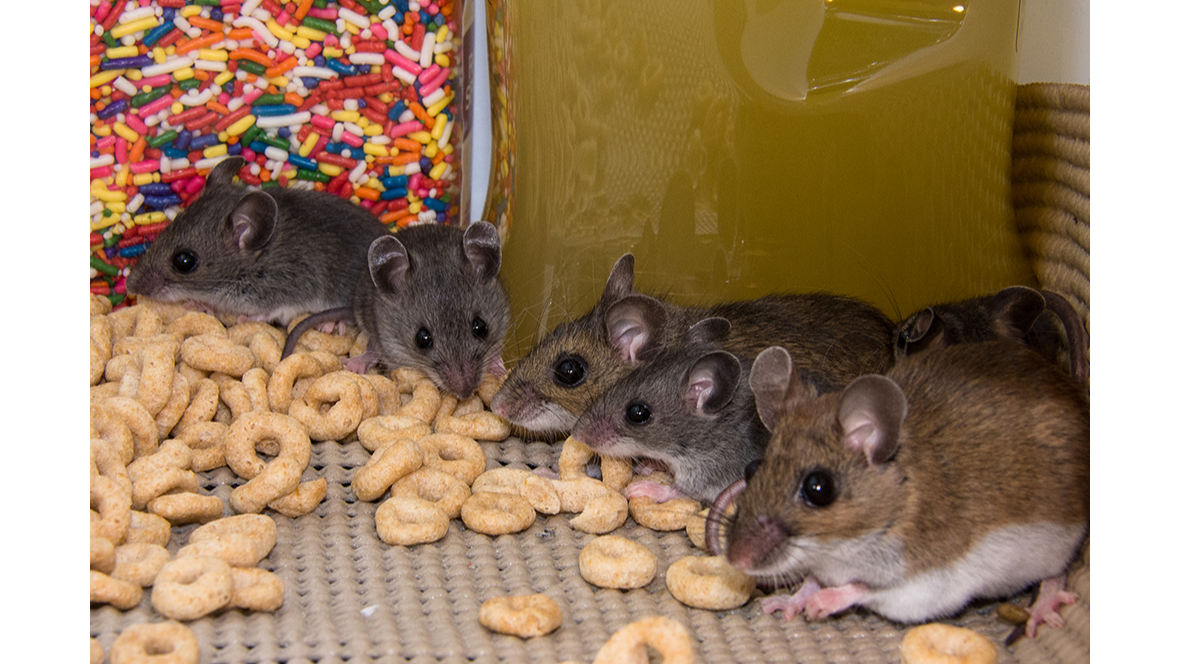
Business owners across the DC Metro area face a growing threat that could devastate their bottom line: rodent infestations. While these unwelcome visitors might seem like a minor nuisance, the financial damage they cause extends far beyond what meets the eye.
The true cost of a rodent problem isn't just the price of traps or bait stations. Washington DC businesses face rodent challenges due to factors like historic infrastructure and high restaurant density, which can lead to significant damage and health violations in commercial properties. These hidden expenses accumulate quickly, creating a financial burden that grows exponentially with each day of inaction.
Rodents multiply rapidly, with a single pair capable of producing dozens of offspring within months. This reproductive speed means what starts as a small problem transforms into a major infestation requiring extensive remediation. The longer businesses wait to address the issue without contacting , the more complex and expensive the solution becomes.
Property damage from rodents creates cascading financial impacts that can cripple business operations. These destructive pests don't discriminate - they'll damage anything in their path while establishing nests and searching for food.
Rodents cause property damage by chewing through electrical wiring, which can lead to fires. This behavior stems from their constantly growing teeth, which require regular gnawing to prevent overgrowth. Electrical fires can result in complete business shutdowns, insurance claims, and potential liability issues if customers or employees are injured.
According to available reports, rodents cause thousands of structure fires annually. For businesses, a single electrical fire can mean months of closure, temporary relocation costs, and lost revenue that dwarfs any professional removal service investment.
Beyond wiring, rodents systematically destroy insulation, drywall, and building materials to create nesting sites. This damage compromises energy efficiency, leading to higher utility costs and uncomfortable working conditions for employees and customers.
Offices can experience infrastructure damage and increased maintenance costs due to rodent infestations. Replacing damaged insulation and repairing structural elements often requires extensive construction work, disrupting business operations and creating additional expenses for temporary workspace solutions.
Rodents cause damage to packaging, wiring, and inventory in retail spaces, resulting in financial loss and disrupted operations. They contaminate far more than they consume, forcing businesses to discard entire shipments of products due to health concerns.
Restaurant equipment, office electronics, and retail merchandise all become targets. The replacement costs extend beyond the items themselves - businesses must also account for expedited shipping, installation fees, and lost sales during equipment downtime.
Health department violations represent one of the most immediate and severe financial threats from rodent infestations. These regulatory actions can instantly transform a minor pest problem into a business-threatening crisis.
Businesses can implement preventative measures such as securing trash cans and sealing cracks to reduce rodent movement. However, rodent infestations can lead to violations of health and safety regulations, potentially resulting in fines and legal action.
The DC Department of Health offers resources and information for businesses on rodent control, including tips for prevention and reporting. However, their enforcement actions carry substantial penalties. Fines can range from hundreds to thousands of dollars per violation, with repeat offenses facing escalating penalties.
Rodent infestations can lead to health code violations, temporary closures, and a loss of customer trust for restaurants. These shutdowns create immediate revenue loss while fixed costs like rent, insurance, and salaries continue accruing.
For many businesses, especially restaurants and food service establishments, even a single day of closure can cost thousands in lost revenue. Extended closures for deep cleaning and remediation can push businesses toward bankruptcy, particularly smaller operations with limited cash reserves.
The digital age has amplified reputation risks, making visible rodent problems potentially devastating for business credibility. Modern consumers share experiences instantly, turning a single sighting into widespread public knowledge.
A rodent sighting can quickly spread online, damaging a business's reputation and deterring customers. Social media platforms and review sites like Yelp, Google Reviews, and Facebook become battlegrounds where negative experiences gain viral momentum.
Photos and videos of rodents in business establishments spread rapidly, creating lasting digital scars that continue impacting customer acquisition long after the pest problem is resolved. These online discussions often resurface in search results, haunting businesses for years.
Rebuilding trust after a public rodent incident requires substantial marketing investments, public relations campaigns, and often complete rebranding efforts. Many businesses invest tens of thousands in reputation management services, social media campaigns, and customer win-back programs.
The recovery process can take months or even years, during which businesses operate with reduced customer traffic and lower profit margins. Some businesses never fully recover their previous market position, making prevention infinitely more cost-effective than remediation.
When comparing professional services to do-it-yourself approaches, the initial price difference misleads many business owners into making costly decisions. Understanding the total cost of ownership reveals why professional services deliver superior value.
Professional rodent control services for commercial spaces typically range from $300 to $1,000, but can vary depending on the size of the property, the severity of the infestation, and the type of business. Services like Connor's Pest Pros provide complete rodent control solutions that address both immediate removal and long-term prevention.
Long-term management plans for rodent control, including scheduled inspections and preventative treatments, typically cost between $400 and $1,200 annually. This investment covers regular monitoring, maintenance of entry point sealing, and immediate response to new activity signs.
DIY solutions appear economical initially, with basic traps and baits costing under $50. However, these approaches typically address symptoms rather than causes, leading to recurring infestations that become progressively more expensive to control.
Amateur removal attempts often fail to identify entry points, eliminate food sources, or remove attractant scents. This incomplete approach allows surviving rodents to repopulate quickly, while the business continues suffering property damage, health risks, and potential regulatory violations.
The hidden costs of DIY failures include repeated product purchases, employee time spent on unsuccessful control efforts, and the exponential growth of damage costs as infestations expand. Many businesses ultimately spend more on failed DIY attempts than professional services would have cost initially.
Professional rodent control services provide complete solutions that address every aspect of infestation management. These systematic approaches deliver lasting results by targeting root causes rather than surface symptoms.
Expert technicians conduct thorough property inspections, identifying specific rodent species, population levels, and infestation patterns. This detailed assessment informs customized treatment strategies that account for different behavioral patterns between rats, mice, and other rodent species.
Species identification proves vital because different rodents respond to different control methods. Norway rats require different approaches than house mice, and professionals adjust their strategies accordingly for maximum effectiveness.
Complete exclusion work involves sealing every potential entry point with durable materials that rodents cannot chew through, such as stainless steel mesh, hardware cloth, and specialized sealants in gaps around utilities, doors, windows, and structural penetrations.
Professional exclusion goes beyond obvious openings, addressing areas like roof joints, foundation cracks, and utility penetrations that untrained individuals often miss. This thorough approach prevents reinfestations and provides long-term value.
Professional removal includes safe trapping, carcass disposal, and thorough decontamination of affected areas. Rodents can carry diseases such as leptospirosis, salmonella, and hantavirus, which may be transmitted to humans through contact with droppings, urine, or saliva.
Decontamination involves specialized cleaning procedures, odor elimination, and sanitization that protects employee and customer health while removing attractant scents that could encourage new infestations.
Ongoing management programs provide regular inspections, maintenance of exclusion barriers, and immediate response to new activity signs. These programs typically include detailed reporting, trend analysis, and recommendations for property modifications that reduce future risk.
Prevention plans often incorporate employee training, sanitation improvements, and landscape modifications that eliminate rodent attractants. This proactive approach maintains pest-free environments while protecting the business investment.
The financial case for professional rodent removal becomes clear when comparing service costs against potential losses from property damage, regulatory violations, and reputation damage. Professional services provide complete solutions that protect businesses from the escalating costs of infestation while maintaining safe, healthy environments for employees and customers.
Smart business owners recognize that rodent control represents insurance against catastrophic losses rather than just a maintenance expense. The systematic approach of professional services addresses root causes, provides long-term protection, and delivers measurable return on investment through prevented damage and maintained business continuity.
For complete rodent control solutions that protect your DC Metro business investment, .


