Struggling to find the right air filter for your furnace? An ill-fitting filter harms your HVAC system and increases energy bills. Discover why custom-sized filtration is the simple key to maximizing air quality, efficiency, and protecting your expensive home heating and cooling system.
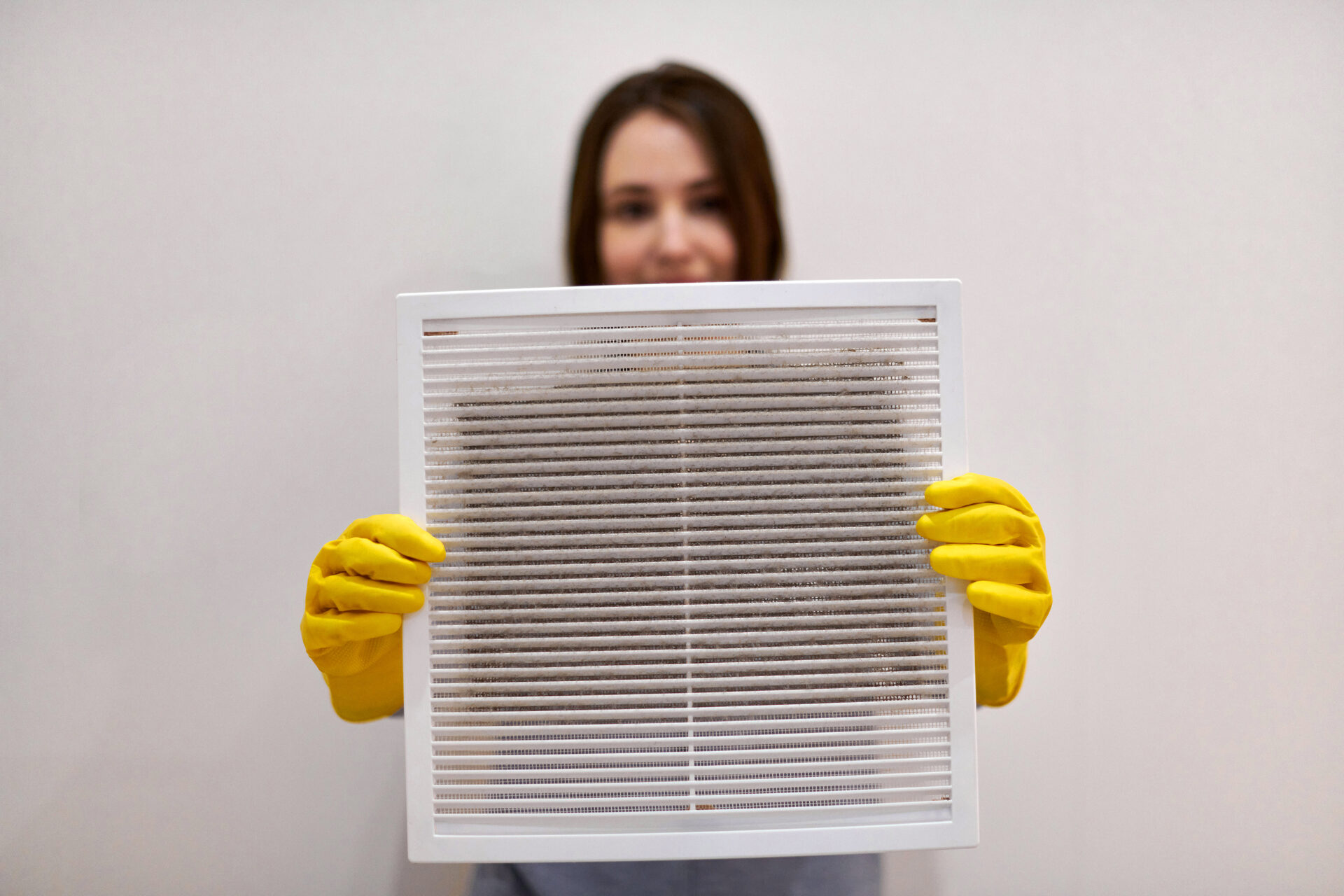
You pay a lot of attention to big home investments and worry about a new roof, upgraded windows, or the latest appliances. But how much thought do you put into the simple, pleated cardboard square inside your furnace? Most people think of the heating, ventilation, and air conditioning (HVAC) system as an invisible workhorse. As long as the unit keeps you warm in winter and cool in summer, you probably forget it even exists. However, paying a little attention to one small component—the air filter—can make a dramatic difference.
Choosing the right filter and maintaining it is important for both your wallet and your health. Many people overlook the real impact that small things can have. The air filter has two important jobs: protecting the air you breathe and protecting your expensive HVAC equipment. If you neglect either of those roles, you will face consequences.
You might assume the air inside your house is clean, but the reality is that the indoor air quality of your home or business can easily become contaminated. Airborne particles like dust, pollen, mold spores, and other contaminants circulate continuously. Breathing in these particles can affect your overall health, especially if you or your family members have allergies, asthma, or other respiratory issues.
The filter is your primary defense against these pollutants. It traps them before they circulate through the vents and into your lungs. When the filter does its job, you get cleaner air, helping you breathe easier and creating a healthier indoor environment. It is a simple concept, but the results are essential for well-being.
When you go to replace a filter, you might find that the size you need is out of stock or just not manufactured as a standard item. Many people settle for a filter that is "close enough", this is where you can cause a major problem for your HVAC system.
Imagine trying to wear a pair of shoes that are two sizes too big. They don't fit well, and they certainly don't protect your feet properly. The same idea applies to your furnace filter. If the filter is too small for the slot, air will simply flow around the edges, but if it's too big, you will have to cram it in, which can warp the filter material and create gaps.
When air bypasses the filter, it carries all the contaminants directly into the furnace's internal components. This dust buildup on the heating and cooling coils can damage the system. Dust is a great insulator, and if it covers the coils, the system cannot exchange heat efficiently. This forces the unit to run longer and harder to reach the temperature set on the thermostat.
A dirty or improperly sized air filter directly affects the efficiency of your HVAC system. This impact can hurt your bank account.
When dust clogs the filter or the wrong size restricts the opening, the system struggles to pull the necessary amount of air through. This reduced airflow is a huge issue. The fan motor must exert more effort to move air through the restriction, causing it to run for extended periods. This extra work translates directly into higher electricity consumption and a noticeable jump in your monthly energy bills. A clean, correctly sized filter ensures smooth airflow, letting your system operate exactly as it was designed to.
A continuously struggling fan motor and an overheating system increase the chance of a mechanical failure. Your furnace is an expensive piece of equipment. Repairing or replacing key components can cost thousands of dollars. Selecting an incorrect filter can cause more harm to your furnace than good. Over time, that strain could actually result in the furnace breaking down completely. Choosing the right filter is not just about air quality; it is about protecting your major investment.
You have many furnace filter choices out there. Selecting the right one involves understanding a few key terms. It is not enough to just look at the size.
MERV stands for Minimum Efficiency Reporting Value. This is the rating system used for air filters, ranging from 1 to 16. Higher MERV ratings mean the filter can capture smaller, more microscopic particles.
While both relate to air filtration, they are not the same. HEPA stands for High-Efficiency Particulate Air. A true HEPA filter captures at least $99.97% of particles as small as 0.3 microns. These filters are highly effective, but they can significantly restrict airflow. Most residential HVAC systems are not built to handle the density of a true HEPA filter. Using one in a standard system can put an excessive strain on your blower motor, potentially damaging it. It is important to know your system's limits before upgrading to a high-efficiency filter.
To choose the best air filter, you need to consider three main factors: the required dimensions, the desired MERV rating, and whether your family has any specific health concerns.
First, you must determine the exact size required by your HVAC system. Always check the frame of the old filter or the slot on your furnace for the correct dimensions. Second, decide what level of filtration you need. If you suffer from allergies or asthma, a higher MERV rating (such as MERV 11 or 13) may be worth considering. If your home has no specific health concerns, a quality MERV 8 filter often provides a great balance of protection and airflow.
Finally, you should not forget the importance of changing the filter regularly. Even the best filter will lose effectiveness as it fills up with trapped contaminants. The frequency of replacement depends on the filter type, the size of your household, whether you have pets, and your indoor air quality. In general, it is a good idea to replace standard 1-inch filters every one to three months. Higher-efficiency filters might last six to twelve months, but always check the manufacturer’s recommendation.
It is a common scenario. You go to a big box store, look through the standard sizes, and your required dimensions are missing. Many older homes, custom-built properties, or commercial buildings have HVAC units that use unique, non-standard filter sizes. What do you do then? You need a filter that provides an exact fit.
The good news is that you do not have to settle for an imperfect solution. Some specialists focus on providing filtration products manufactured precisely to your specifications. They are a manufacturer and distributor of air filtration products, including options for both residential and commercial settings. Their whole focus is to provide high-quality air filters that meet the exact size needed by your HVAC unit.
You can get those hard-to-find custom size filters by simply ordering online. You submit your filter dimensions, receive instant pricing, and the filter is made for you right away. This simple online process removes the hassle of trying to find an awkward, odd size. When you need a perfect fit for a non-standard unit, you can easily order a custom-size furnace filter online to get your filter made as soon as possible. It is a straightforward solution to a frustrating problem.
Caring for your HVAC system does not require you to become an engineer. It just means being mindful of the small, simple maintenance tasks. Choosing a premium quality furnace air filter that fits perfectly is the easiest way to ensure your system runs efficiently, your energy bills stay low, and the air you breathe is as clean as possible. A little bit of knowledge and a quick online order can make all the difference.
The air filter’s main job is to remove contaminants from the air that moves through your HVAC unit. It removes particles such as dust, pollen, and mold spores. This process helps to improve the quality of your indoor air. It also protects the internal parts of your HVAC system from dirt buildup that can cause damage.
The exact frequency depends on several factors. These factors include the type of filter, your indoor air quality, if you have pets, and how large your household is. A good rule of thumb is to replace standard 1-inch filters every one to three months. High-efficiency filters can sometimes last longer, usually between six and twelve months.
Yes, a dirty or clogged air filter can significantly harm your system. It reduces the airflow inside the unit, forcing the HVAC fan motor to work harder. This increased effort can cause reduced system efficiency, resulting in higher energy bills. Over time, this stress can lead to motor wear and other potential damage to the system.
To find the right filter, you must first determine the exact size required by your HVAC unit. Once you have the precise dimensions, consider the desired MERV rating for the level of air quality you need. If your unit requires an unusual size, you can find the perfect fit and get instant pricing when you submit your filter dimensions to a specialized service like this one, which offers custom-size furnace filters for Canadian homes and businesses.


