Feeling overwhelmed and can’t figure out why? UCLA research reveals a shocking connection between messy closets and elevated stress hormones — but the solution is surprising in its simplicity.
The relationship between physical clutter and mental distress runs deeper than most people realize. When the brain encounters disorganized visual information, it triggers a cascade of neurological responses that can overwhelm the visual cortex and impair cognitive function. Research indicates that cluttered environments negatively impact the ability to focus and process information, leading to cognitive overload and increased stress levels.
Recent UCLA studies reveal a particularly striking connection between messy homes and physiological stress markers. Women living in cluttered environments show significantly higher cortisol levels throughout the day compared to those in organized spaces. This stress hormone elevation doesn't just affect mood—it impacts sleep quality, immune function, and overall health. The brain, designed to process organized information efficiently, struggles when confronted with visual chaos, creating a state of chronic low-level stress that many people don't even recognize.
Clutter also triggers feelings of guilt and creates 'mental noise' that interferes with relaxation and focus, dampening both creativity and productivity. This constant visual reminder of unfinished tasks weighs on the subconscious mind. This is particularly problematic for those working from home, where the boundaries between personal and professional spaces blur.
Every morning begins with a series of choices, and a disorganized closet multiplies these decisions exponentially. Instead of quickly selecting appropriate clothing, individuals face an overwhelming array of options scattered across hangers, shelves, and floors. This decision-making process depletes mental energy before the day even begins, leaving less cognitive resources available for important tasks ahead.
Research shows that successful people often minimize clothing decisions through systematic organization or limited wardrobes. This preservation of decision-making energy allows for better choices throughout the day, from work priorities to personal relationships. When items are clearly visible and logically arranged, the morning routine becomes streamlined and automatic.
The human brain processes visual information constantly, and a cluttered closet creates continuous mental stimulation even when not actively being used. This background processing contributes to cognitive overload, making it harder to concentrate on tasks and increasing overall stress levels. The mind craves visual order as a foundation for mental clarity.
Creating visual order through closet organization helps the mind relax, making it easier to maintain positive and productive mindsets throughout the day. When the brain can quickly process and categorize visual information, it frees up mental resources for more important cognitive tasks. This is why many people report feeling immediately calmer after organizing their closets, even before experiencing any practical benefits.
A chaotic closet disrupts the natural flow of morning preparations, creating stress at the start of each day. Time spent searching for specific items, dealing with wrinkled clothes, or feeling frustrated by the disorder sets a negative tone that can persist throughout the day. These repeated negative experiences compound over time, creating anticipatory stress around getting dressed.
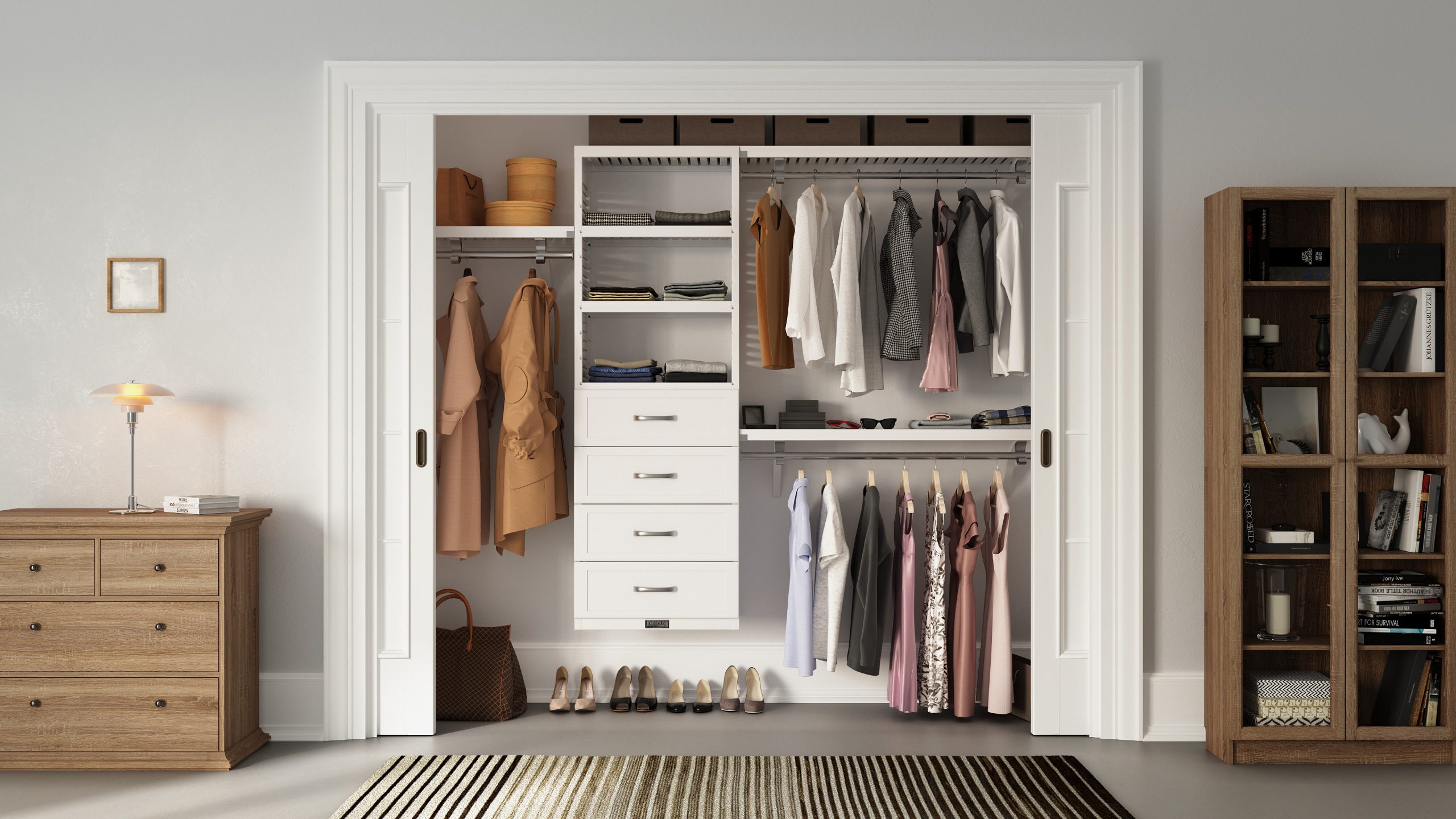
An organized closet transforms the morning routine into a smooth, predictable process. Items have designated places, outfits can be planned in advance, and the entire experience becomes more pleasant and efficient. This positive start to the day creates momentum that supports better mood and productivity in other areas of life.
Organizing a closet provides a powerful sense of control over one's immediate environment, which can be particularly valuable during times of general life stress or uncertainty. When external circumstances feel chaotic or unpredictable, creating order in personal spaces becomes a form of self-care and stress management. This sense of environmental control often translates into feelings of personal empowerment and competence.
The act of decluttering provides a renewed sense of control that leads to feelings of freedom, liberation, competence, and efficiency. These psychological benefits extend beyond the physical space, influencing how individuals approach other challenges and decisions in their lives. John Louis Home advises that professional-grade custom closet organizers can provide the structural foundation needed to maintain this sense of order and control long-term. Creating clarity out of chaos is simpler when the space is set-up for optimal storage and is adaptable to the individual's needs.
Successfully organizing a closet creates a tangible sense of accomplishment that boosts self-confidence and motivation. This achievement, while seemingly small, demonstrates the ability to identify a problem, create a plan, and execute a solution. The visible transformation serves as daily reinforcement of personal capability and effectiveness.
A well-organized closet simplifies decision-making and boosts self-confidence. When people can easily find appropriate clothing and feel good about their appearance, it positively influences their self-image and interactions with others, helping individuals make more confident choices in other areas of their lives. This confidence boost often motivates people to tackle other organizational or improvement projects in their lives.
Beginning with a single drawer or shelf prevents overwhelm and creates immediate, visible success. This approach allows individuals to experience the benefits of organization without feeling daunted by the scope of the entire closet. Starting small also helps develop organizational systems and decision-making patterns that can be applied to larger areas.
The single drawer method builds momentum and confidence while teaching valuable skills about sorting, deciding, and arranging. Each small completion provides motivation to continue, creating a positive feedback loop that makes the larger project feel achievable and enjoyable rather than burdensome.
Organizing clothing by color creates an immediately calming visual experience while making items easier to locate quickly. This system reduces the mental effort required to find specific pieces and creates a sense of harmony and order that pleases the eye. Color coordination also makes it easier to create coordinated outfits and identify gaps in the wardrobe.
The visual appeal of color-organized clothing contributes to positive feelings about the space and increases the likelihood of maintaining the organizational system long-term. Many people report that opening a color-coordinated closet feels pleasant and stress-reducing, creating positive associations with the daily dressing routine.
Implementing a brief daily ritual of returning items to their designated places prevents clutter accumulation and maintains the psychological benefits of organization. This 10-minute evening practice serves as a form of meditation and stress relief, providing closure to the day while preparing for tomorrow's success.
Daily decluttering rituals become therapeutic ways to de-stress and transition from day to evening activities. The routine creates a sense of completion and control, helping the mind let go of daily tensions while preparing the physical environment for peaceful rest and efficient morning routines.
The three-phase approach of sorting, deciding, and arranging provides structure to what can feel like an overwhelming task. Sorting involves removing all items and grouping similar pieces together, allowing for a clear assessment of what exists. The decision phase requires evaluating each item based on usefulness, condition, and relevance to current lifestyle.
The final arranging phase involves returning only necessary items to designated spaces, ensuring everything has a logical location. This systematic approach prevents the common mistake of simply rearranging clutter and instead creates a truly functional and stress-reducing environment.
A decluttered bedroom significantly improves sleep quality by creating a more calming environment that promotes relaxation and rest. Visual clutter in sleeping areas increases mental stimulation, making it challenging for the mind to shift into rest mode. Removing unnecessary items from the bedroom contributes to better recovery and more restful sleep.
The psychological impact of a clean, organized bedroom extends beyond just the closet area. When the entire sleeping environment feels peaceful and ordered, it becomes easier to let go of daily stress and transition into restorative sleep. This improved sleep quality then supports better mental health, decision-making, and stress management the following day.
Organized spaces reduce visual distractions that can interfere with concentration and productivity throughout the day. When the mind doesn't have to process background clutter, it can focus more effectively on important tasks and goals. This enhanced focus often leads to improved performance at work and greater satisfaction with daily accomplishments.
The mental clarity gained from organized living spaces often motivates individuals to maintain order in other areas of life, from digital files to work schedules. This approach to organization creates a supportive environment for success and well-being across multiple life domains.
The connection between physical organization and mental well-being represents a powerful opportunity for immediate stress relief and long-term psychological benefits. Starting with closet organization creates a foundation for broader life improvements while addressing daily stressors that many people simply accept as normal. The investment of time and energy in creating organized living spaces pays dividends in reduced stress, improved sleep, and enhanced overall life satisfaction.
Taking action on closet organization doesn't require perfection or expensive solutions—it requires commitment to creating a more supportive living environment. The mental health benefits begin immediately and continue to compound as organized systems become habitual parts of daily life. Every morning becomes an opportunity to start the day with calm confidence rather than stress and frustration.


