Suffering from a toothache? Combine ibuprofen with acetaminophen for better relief than opioids, use salt water rinses, and apply cold compresses. But beware—avoid aspirin directly on teeth and seek professional help if pain persists beyond 48 hours.
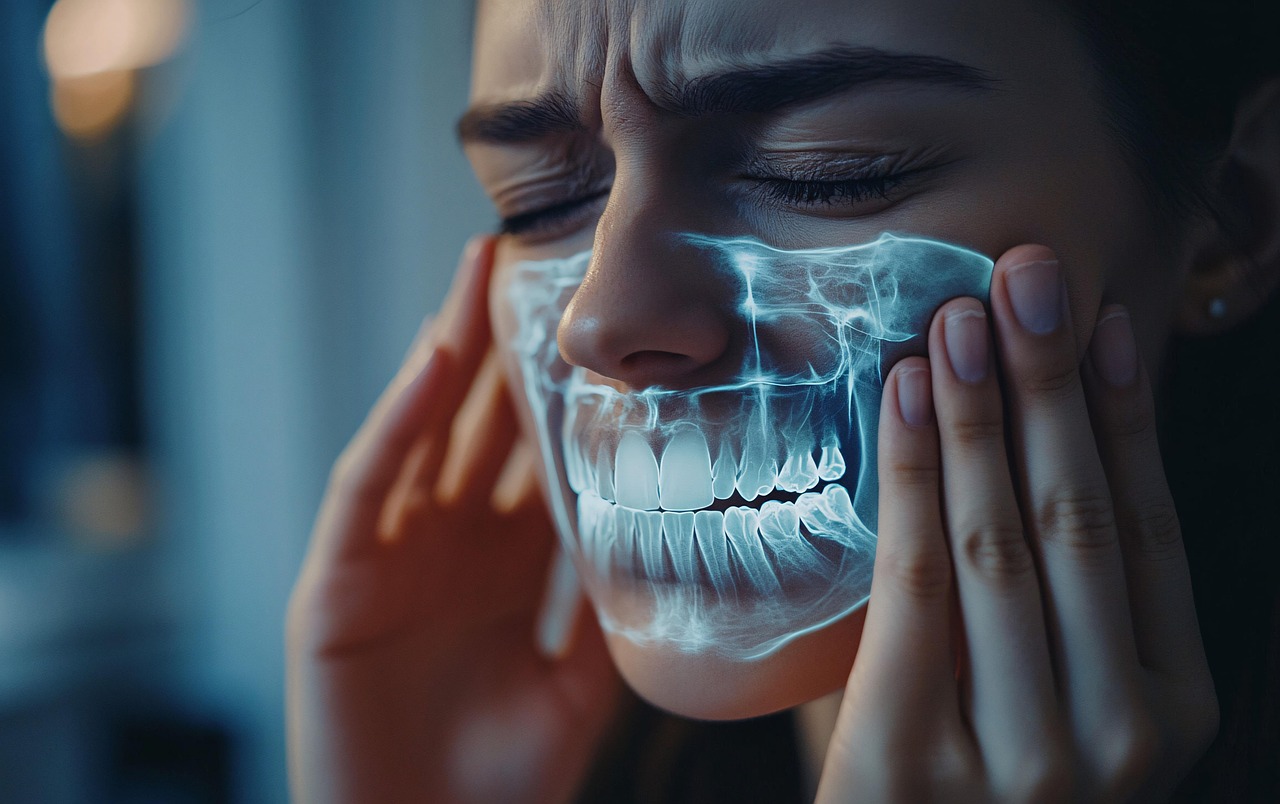
When tooth pain strikes unexpectedly, you need relief fast. What many people don't realize is that the most effective pain management strategy isn't a prescription medication, but a specific combination of over-the-counter remedies. At , we often recommend combining ibuprofen with acetaminophen for superior pain control.
This medication duo works remarkably well because each targets pain differently. Ibuprofen reduces inflammation at the source, while acetaminophen blocks pain signals in the brain. Clinical research has consistently shown that taking 400-600mg of ibuprofen together with 500-1000mg of acetaminophen every six hours actually provides better relief than prescription opioids for most dental pain.
The key to success with this approach is taking the medications on schedule rather than waiting until pain becomes unbearable. Start this regimen as soon as discomfort begins, but always respect the maximum daily limits: no more than 3,200mg of ibuprofen or 4,000mg of acetaminophen in a 24-hour period. Children require weight-based dosing, so check with your dentist for proper amounts.
Among all home remedies for tooth pain, salt water rinses stand out as universally recommended by dental professionals. This simple solution acts as a natural disinfectant that reduces inflammation, kills bacteria, and promotes healing.
To prepare an effective salt water rinse:
What makes this remedy so valuable is its safety profile – it can be used by people of all ages with no side effects. The salt creates a temporary alkaline environment that discourages bacterial growth while drawing out infection-causing fluids.
Cold therapy effectively numbs pain and reduces swelling when applied correctly. The proper technique involves:
Cold works by constricting blood vessels, which reduces inflammation and temporarily numbs nerve endings. This approach is particularly effective for acute pain following dental work or injury. For best results, alternate cold compress applications with salt water rinses throughout the day.
Clove oil contains eugenol, a natural compound with proven anesthetic and antibacterial properties. When used correctly, it can provide significant temporary relief for tooth pain. However, proper dilution is critical.
Safe application method:
Never use undiluted clove oil, as it can cause chemical burns to sensitive oral tissues. Also avoid this remedy for children under 12 and pregnant women. When properly diluted, clove oil offers a natural alternative that works as effectively as commercial numbing gels for many people.
When you need fast relief from localized tooth pain, over-the-counter topical anesthetics can be highly effective. Products containing 20% benzocaine (such as Orajel or Anbesol) work by temporarily numbing the nerves in your gums and tooth surface. The numbing effect begins within 30 seconds and typically lasts up to two hours, providing a valuable window of relief.
To use these products effectively:
While these products offer quick relief, they come with important safety considerations. Benzocaine is not recommended for children under 2 years of age due to a rare but serious condition called methemoglobinemia, which affects oxygen transport in the bloodstream. Additionally, these products should not be used for more than 7 consecutive days without consulting your dentist, as prolonged use can mask symptoms of serious underlying conditions.
For those suffering from persistent tooth sensitivity to hot, cold, or sweet stimuli, desensitizing toothpastes offer an excellent solution. These specially formulated products contain active ingredients like potassium nitrate or stannous fluoride that help block pain signals from reaching the nerve.
Desensitizing toothpastes work through two primary mechanisms:
Unlike immediate relief options, these toothpastes require consistent use over time. Most people begin noticing improvement after 2 weeks of regular use, with maximum benefits typically appearing after 4-6 weeks. For best results, apply a small amount directly to sensitive areas with your fingertip and leave it on for a few minutes before rinsing.
Many Calgary residents find that sensitivity worsens during winter months when moving between extreme temperature differences. Using a desensitizing toothpaste preventatively before the cold season can help maintain comfort year-round.
One dangerous home remedy myth involves placing an aspirin tablet directly against the painful tooth or gum. This practice not only fails to provide targeted relief but can actually cause significant harm. Aspirin is highly acidic, and when placed directly against soft oral tissues, it can cause chemical burns that create painful white lesions and tissue damage.
Aspirin only works effectively when swallowed and absorbed into the bloodstream. If you choose to take aspirin for dental pain, always swallow it with water according to the package directions. The combination of ibuprofen and acetaminophen mentioned earlier offers superior relief without aspirin's risks.
Another common mistake is applying heat to a painful tooth area. While heat therapy works well for muscle pain, it can significantly worsen dental problems. Heat expands blood vessels and increases blood flow to an area, which can intensify inflammation and potentially spread infection when dental issues are involved.
Heat application can transform a manageable dental problem into an emergency by:
Always opt for cold therapy instead of heat for dental pain. If you're experiencing pain that seems to originate from the jaw muscles rather than a specific tooth, consult your dentist before attempting heat therapy, as the underlying cause needs proper diagnosis.
Perhaps the most dangerous mistake is relying on home remedies for too long when professional care is needed. While the techniques described in this guide can provide temporary relief, they don't address underlying causes like infections, cracks, or deep decay.
At Northland Smiles Dental, we've seen many patients who delayed seeking care until their condition worsened significantly. What might have been a simple filling can progress to requiring root canal therapy or even extraction when treatment is postponed. Dental problems almost never resolve on their own and typically worsen over time.
As a practical guideline, any tooth pain that persists or worsens beyond 48 hours requires professional evaluation. This timeframe allows for temporary discomfort from minor issues to resolve while ensuring that potentially serious problems receive timely attention.
The 48-hour rule applies even when pain seems manageable with home remedies. If you find yourself continuing to use pain relief methods beyond two days, it's a clear signal that the underlying issue needs professional diagnosis and treatment.
Certain symptoms indicate a dental emergency that requires immediate professional attention, regardless of when they occur. Contact your dentist immediately or visit an emergency dental clinic if you experience any of the following:
These symptoms may indicate a serious infection that can spread rapidly and potentially become life-threatening if not addressed promptly. Northland Smiles Dental prioritizes emergency cases to ensure you receive care when you need it most.
Beyond duration and accompanying symptoms, the nature of your pain itself can provide important clues about the seriousness of your dental issue. Pay particular attention to these warning patterns:
While the remedies we've discussed provide valuable relief during a dental emergency, the best strategy is preventing tooth pain before it starts. Preventive dental care is not only more comfortable but also far more cost-effective than emergency treatment.
Effective prevention starts with understanding what causes most tooth pain. The primary culprits include:
Fortunately, a few simple habits can dramatically reduce your risk of experiencing these problems.
The foundation of prevention lies in consistent daily oral hygiene. Research consistently shows that these practices significantly reduce your risk of tooth pain:
The technique matters as much as frequency. Use gentle, circular motions when brushing and angle your brush at 45 degrees to clean along the gumline. Aggressive brushing can actually damage enamel and gums, creating pathways for sensitivity.
What you eat and drink significantly impacts your dental health. Making these adjustments can help prevent tooth pain:
For Calgary residents who enjoy winter sports and outdoor activities, frequent sipping of sports drinks or energy beverages can significantly increase your risk of tooth sensitivity and decay due to their high acid and sugar content.
Even the most diligent home care needs to be supplemented with regular professional attention. At Northland Smiles Dental, our preventive approach includes:
For patients with specific risk factors like dry mouth, previous radiation therapy, or certain medical conditions, we create customized prevention plans with more frequent monitoring and specialized preventive products.
Many patients wait until they experience pain before seeking dental care. This approach often leads to more invasive, expensive treatments and unnecessary discomfort. Early intervention for small problems typically means:
For example, a small cavity caught early might require only a minor filling, while that same decay left untreated could eventually require root canal therapy, a crown, or even extraction.
At Northland Smiles Dental, we emphasize the importance of addressing small issues promptly. Our gentle approach focuses on preserving natural tooth structure whenever possible and making your experience comfortable from start to finish.
Tooth pain can be debilitating, but you now have practical strategies to manage it effectively at home when it occurs. The combination of ibuprofen and acetaminophen, salt water rinses, and cold compresses offer your best options for temporary relief.
However, home remedies should never replace professional care. The 48-hour rule remains your guide: any persistent or worsening pain beyond two days requires evaluation by a dental professional. And certain symptoms—like facial swelling, fever, or difficulty swallowing—demand immediate attention regardless of how long you've been experiencing pain.
At Northland Smiles Dental, we're committed to helping Calgary families maintain healthy, pain-free smiles through personalized care, education, and support. Whether you need emergency relief or want to prevent problems before they start, our experienced team is here to help you achieve optimal oral health.
For comprehensive dental care that addresses both immediate concerns and long-term prevention, contact Northland Smiles Dental today to schedule your appointment with our caring team of Calgary dental professionals.


