Slow punctures are plaguing UK roads, with 17% of tyres testing illegal — but most drivers miss the subtle warning signs until it’s too late. Could your car be hiding a dangerous puncture right now? And what can you do about it? Experts weigh in.
UK roads present a daily challenge to tyre safety, with sharp debris, aggressive potholes, and varying weather conditions creating perfect conditions for slow punctures. These gradual air leaks often go unnoticed for weeks or months, making them significantly more dangerous than obvious punctures that demand immediate attention.
Recent testing shows that a significant number of cars on UK roads operate with at least one tyre below the minimum legal tread depth. This alarming statistic highlights how easily tyre problems slip under the radar, particularly slow punctures that reduce tyre pressure so gradually that drivers adapt to the changing handling without realising the danger.
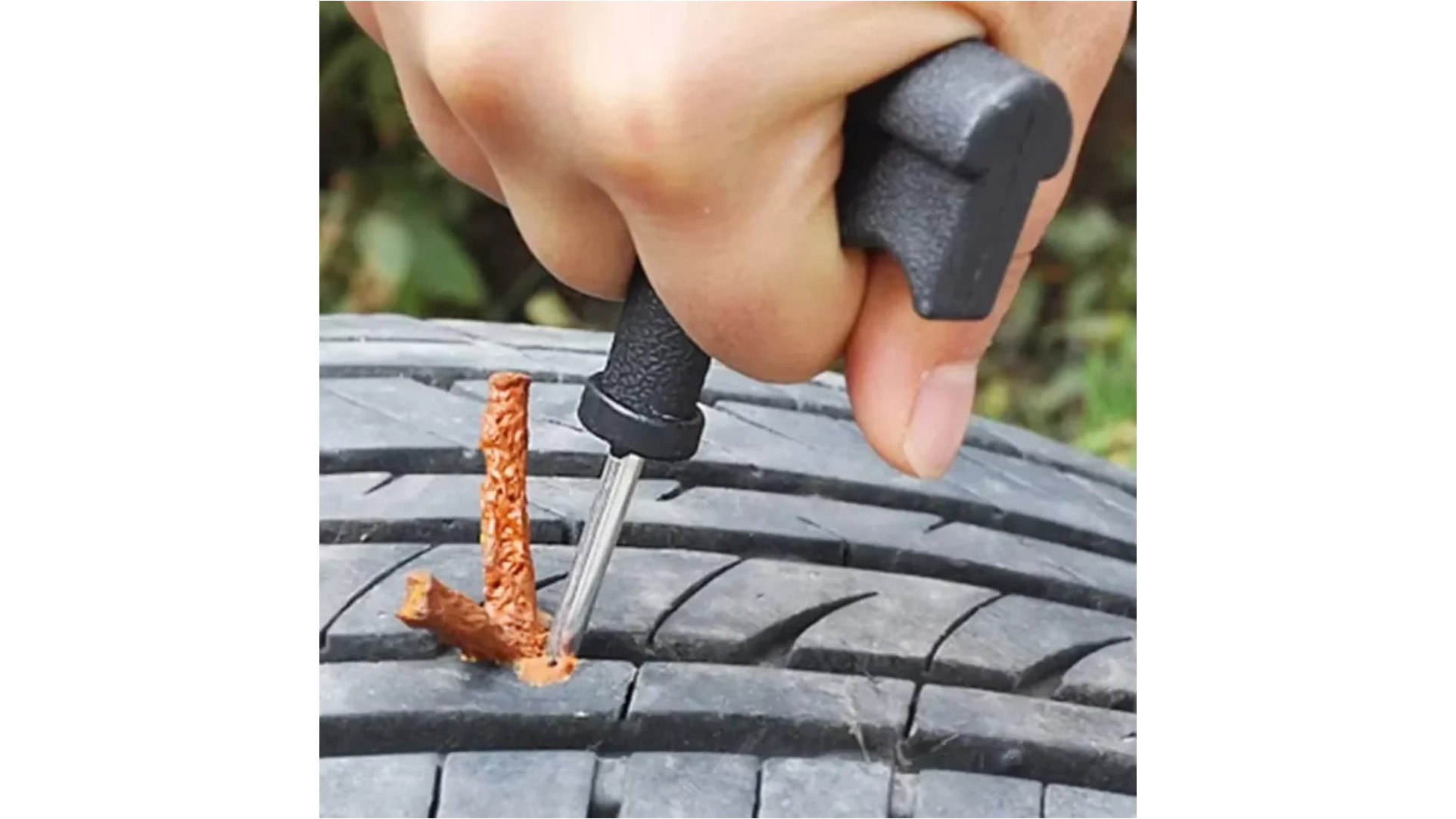
The consequences extend far beyond inconvenience. Many UK motorists have received penalty points or been involved in accidents due to illegal tyres, making regular tyre maintenance both a safety imperative and a legal requirement. Emergency tyre repair kits provide backup when slow punctures strike unexpectedly, offering drivers immediate solutions before professional assessment.
The most noticeable early warning sign appears in vehicle handling. Cars with slow punctures tend to drift or pull toward the affected tyre, particularly noticeable on straight, flat roads. This pulling sensation occurs because the under-inflated tyre creates uneven contact with the road surface, disrupting normal steering dynamics.
Testing for this problem requires finding a quiet, straight stretch of road and briefly relaxing grip on the steering wheel. Any consistent pulling to one side indicates potential tyre pressure issues or wheel alignment problems. Changes in suspension feel, such as increased hardness or reduced responsiveness, also signal possible slow puncture development.
Tyres naturally lose pressure over time through permeation, potentially dropping up to 2 PSI monthly, although this can vary based on tyre construction and environmental conditions. However, slow punctures accelerate this process significantly, requiring frequent top-ups that become increasingly obvious to attentive drivers.
Visual inspection reveals additional clues, including tyres appearing flatter than usual, embedded objects like nails or screws in the tread area, or unusual wear patterns. These physical signs often accompany the gradual pressure loss, providing multiple warning indicators for observant drivers who conduct regular pre-journey checks.
Steering wheel vibrations, particularly at motorway speeds, frequently indicate tyre pressure imbalances caused by slow punctures. These vibrations occur because under-inflated tyres create uneven contact patches with the road surface, generating oscillations that transfer through the steering system.
The vibrations typically intensify at higher speeds, making motorway driving the most common discovery point for slow puncture problems. This symptom often combines with other warning signs, creating a pattern of deteriorating driving experience that demands professional investigation.
UK roads contain countless puncture hazards, from construction debris to everyday litter that becomes dangerous projectiles. Nails, screws, metal fragments, and sharp stones commonly embed in tyre treads, creating tiny holes that allow air to escape gradually over time.
These objects often remain lodged in the tyre, acting as partial plugs that slow the air loss rate. However, this temporary sealing effect masks the underlying damage, allowing drivers to continue using compromised tyres without realising the developing safety risk.
Britain's notorious potholes cause significant tyre damage beyond obvious blowouts. Impact damage from potholes can create small tears in tyre sidewalls or damage the wheel rim, both of which lead to gradual air loss that mimics traditional puncture symptoms.
Older vehicles with steel rims face additional risks from corrosion, where rust buildup prevents proper sealing between the tyre and rim. This corrosion creates microscopic gaps that allow air to escape slowly, particularly problematic during winter months when road salt accelerates metal deterioration.
The 20p coin test provides UK drivers with an instant tread depth assessment using readily available currency. Insert a 20p coin into the tyre's main grooves - if the outer band remains visible, the tyre requires immediate replacement as it falls below safe operating parameters.
This simple test works because the 20p coin's outer band sits at approximately the 1.6mm legal minimum depth. However, the test serves as a final warning rather than optimal maintenance practice, as tyres become significantly less effective long before reaching this legal threshold.
UK law mandates a minimum tread depth of 1.6mm across the central three-quarters of the tyre width. However, tyre safety specialists recommend replacement at 3mm depth, as stopping distances increase dramatically below this threshold, particularly in wet conditions common throughout Britain.
The performance difference proves substantial - tyres with 1.6mm tread depth require up to 44% more stopping distance in wet conditions compared to new tyres. This extended stopping distance can mean the difference between avoiding accidents and serious collisions, making the specialist-recommended 3mm threshold a vital safety consideration.
Consistent tyre pressure monitoring prevents slow punctures from developing into dangerous situations. Under-inflated tyres increase fuel consumption, accelerate wear patterns, and significantly raise blowout risks during high-speed driving or hot weather conditions.
Monthly pressure checks using accurate gauges help identify gradual pressure loss before it affects vehicle handling. Drivers should check pressures when tyres are cold, preferably before starting daily journeys, as heat from driving can give misleadingly high readings that mask developing problems.
UK regulations permit puncture repairs only within strict parameters designed to maintain tyre integrity and road safety. Repairs are limited to the central 60-70% of the tyre tread area depending on tyre size, and punctures cannot exceed 6mm in diameter - roughly the size of a large nail head.
Sidewall punctures or damage automatically require complete tyre replacement, as these areas experience maximum stress during driving and cannot be safely repaired under any circumstances. The sidewall's structural importance means even small punctures compromise the entire tyre's integrity.
Similarly, multiple punctures, previous repairs, or damage near existing repairs typically mandate replacement rather than additional repair attempts. Professional assessment determines whether existing damage patterns make further repairs unsafe or ineffective.
Professional tyre assessment provides definitive answers about repair viability while ensuring compliance with UK safety regulations. Experienced technicians can identify hidden damage, assess structural integrity, and determine whether repairs meet British Standard requirements for long-term safety.
DIY repair kits offer temporary solutions for emergency situations, giving you the time you need to get to a garage for a permanent fix.
The cost of professional repair or replacement pales compared to the potential penalties for illegal tyres, which can include £2,500 fines, three penalty points per tyre, and potential driving bans for multiple offences. More importantly, proper tyre maintenance prevents accidents that could result in injury, insurance complications, and legal liability.
For automotive solutions and guidance on vehicle maintenance, AutoPump's website offers a range of professional-grade tools and equipment.


