The humble watch strap has become a battleground where Buy It For Life and Right to Repair movements challenge luxury brands’ repair restrictions. With BIFL communities growing 17.2% and the FTC enforcing warranty laws, consumers increasingly demand durable, repairable alternatives to manufacturer-only options.
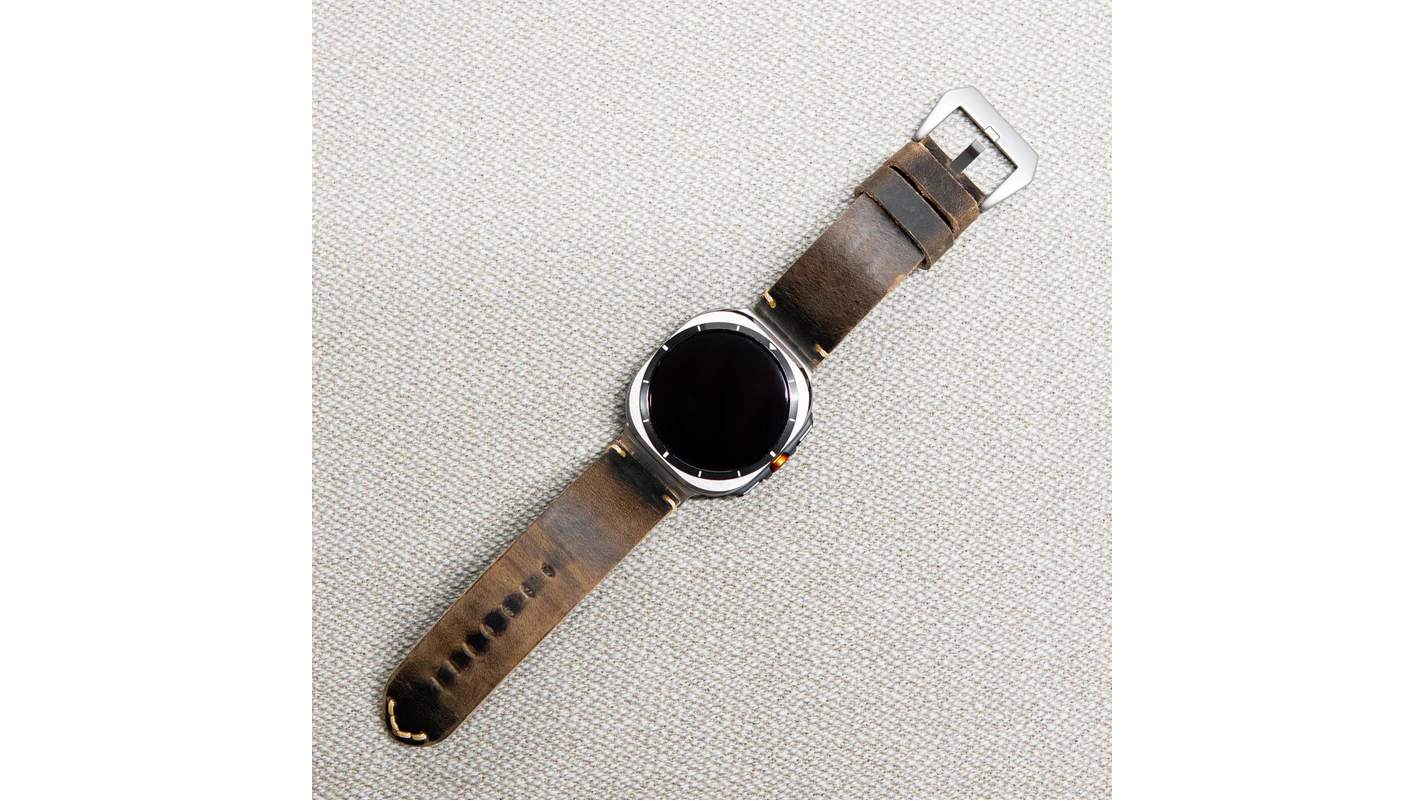
The humble watch strap has emerged as an unlikely battleground in the growing consumer rights movement. At the intersection of two powerful consumer trends – the 'Buy It For Life' (BIFL) philosophy and the 'Right to Repair' movement – this small but essential accessory symbolizes a larger shift in how consumers approach ownership and durability. For those seeking products that last, Samsung Galaxy Watch Ultra users can find durable alternatives through designed to withstand the rigors of daily use.
This convergence represents a fundamental challenge to the disposable consumption model that has dominated retail for decades. Consumers increasingly reject planned obsolescence and demand products that can be maintained, repaired, and used for years – even decades.
The BIFL movement isn't just a niche interest anymore. Reddit's r/BuyItForLife community has grown to an impressive 2.6 million members as of December 2024, showing a 17.2% increase since mid-2024. This rapid growth demonstrates the mainstream appeal of durability-focused consumption.
Members of these communities share recommendations, repair tips, and celebrate products that have stood the test of time. Data shows that durability drives a whopping 74.2% of all BIFL-related conversations online, far outpacing discussions about brand reputation or aesthetics. Watch straps frequently appear in discussions, with users documenting decades of use from quality leather, metal, and synthetic options that have outlasted multiple watches.
While BIFL focuses on initial product quality, the Right to Repair movement targets the legal and technical barriers to maintaining products. In 2023, New York passed the Digital Fair Repair Act, requiring manufacturers to make tools, parts, and repair information available to consumers and independent repair shops.
This legislative shift has been reinforced by Federal Trade Commission (FTC) actions against companies with restrictive repair policies. Notable cases include enforcement actions against Harley Davidson, Weber, and MWE Investments for illegal repair restrictions that violated the Magnuson-Moss Warranty Act.
Watch straps represent an ideal intersection of these movements for several reasons:
Unlike complex watch movements, straps can be evaluated for quality relatively easily by consumers, making them a transparent product category where durability claims can be verified through use. This transparency has made watch straps a focal point for consumers questioning the value proposition of luxury brands that restrict repair options.
Many luxury watch manufacturers have long maintained strict control over repairs and servicing. Rolex, in particular, has policies stating that only official Rolex repair centers are allowed to service their watches, with work done elsewhere potentially voiding warranties. These restrictions are increasingly viewed through the lens of anti-competitive practices.
In its 2021 'Nixing the Fix' report to Congress, the FTC specifically highlighted Rolex as an example of a company with potentially problematic warranty language. The report cited consumer complaints about statements such as 'only official Rolex repair centers are allowed to repair and service a Rolex watch' and threats that unauthorized repairs would void warranties.
The Magnuson-Moss Warranty Act contains an 'anti-tying' provision that prohibits companies from conditioning warranties on the use of branded parts or authorized repair services, unless those parts or services are provided free of charge or the manufacturer has received a specific waiver from the FTC.
When the FTC took action against Harley-Davidson, Weber, and MWE Investments, it required these companies to add explicit language to their warranties stating: 'Taking your product to be serviced by a repair shop that is not affiliated with or an authorized dealer of [Company] will not void this warranty. Also, using third-party parts will not void this warranty.'
This precedent has significant implications for luxury watchmakers who have traditionally operated with more restrictive policies. Companies that make premium watch straps, like RobustGoods, benefit from this legal clarity as consumers gain confidence in using quality third-party alternatives.
The Digital Fair Repair Act, which went into effect in July 2023, requires original equipment manufacturers to make diagnostic and repair information, tools, and parts available to independent repair providers and consumers. While initially focused on digital electronic equipment, the principles behind this legislation reflect a broader shift in how lawmakers view repair rights.
For watch enthusiasts in New York, this legislation potentially sets a precedent for how watch straps and other components might be treated in future legislation. As more states adopt similar laws, luxury watch manufacturers may face increasing pressure to open their repair ecosystems.
Independent strap makers are driving innovation in materials science, often surpassing the durability of OEM offerings. From marine-grade silicone to aerospace-grade titanium and premium vegetable-tanned leathers, third-party manufacturers are creating watch straps designed specifically for longevity.
Consumers seeking BIFL-quality straps now have options featuring:
Unlike many manufacturer designs that require complete replacement when a single component fails, independent strap makers are adopting modular designs. These approaches allow for the replacement of individual components like buckles, keepers, or attachment points without discarding the entire strap.
The BIFL and Right to Repair movements have created extensive educational resources for watch strap maintenance and repair. Online tutorials, specialized tool kits, and community forums provide watch owners with the knowledge and equipment needed to extend the life of their straps indefinitely.
This democratization of repair knowledge directly challenges the traditional model of manufacturer-controlled servicing and creates a more sustainable approach to watch ownership.
Independent strap makers are often at the forefront of sustainable production methods. Many use:
This alignment with environmental values has particular appeal to Millennial and Gen Z consumers who prioritize sustainability alongside durability.
The r/BuyItForLife subreddit has evolved from a simple recommendation forum into a powerful market influence. With 2.6 million members sharing experiences, the community effectively crowdsources quality control across product categories. Watch straps that fail prematurely are quickly identified, while those that demonstrate exceptional longevity gain devoted followings.
This transparency creates market pressure that traditional advertising cannot counteract. When thousands of users document the failure patterns of certain watch strap designs while celebrating others that have lasted decades, manufacturers find it increasingly difficult to market inferior products.
Millennials and Gen Z consumers are particularly vocal in their demand for sustainable, repairable products. Research shows these demographics will pay premium prices for items they believe will last, but they expect those products to be repairable and maintainable over time.
This shift in consumer priorities has created a market opportunity for brands that are willing to make their products repairable. From watch straps to the watches themselves, products designed with maintenance and repair in mind now have a distinct advantage with these influential consumer groups.
Some forward-thinking brands are establishing comprehensive repair programs that go beyond warranty service. Brands like Barbour, famous for their waxed jackets, have built cult followings largely because of their rewaxing and repair services that extend product life indefinitely.
These initiatives typically include:
For watch straps specifically, brands could offer reconditioning services that extend strap life through cleaning, restitching, or component replacement rather than complete replacement.
Brands that truly support the Right to Repair movement are making parts directly available to consumers and independent repair shops. Levi's has taken steps in this direction with their Tailor Shops, which not only repair but also customize products, recognizing that personalization creates a deeper attachment to the product.
In the context of watch straps, this might mean selling individual components, such as buckles, keepers, or attachment hardware, directly to consumers. By supporting rather than fighting the DIY repair movement, these brands build goodwill while potentially creating new revenue streams.
The convergence of BIFL and Right to Repair movements points to a future where luxury is defined not just by brand prestige but by genuine quality and repairability. With durability driving 74.2% of all BIFL-related conversations online, it's clear that consumers are prioritizing longevity over brand names or aesthetic trends.
Independent makers and innovative brands that have built their identities around durability and repairability are gaining traction against traditional luxury houses. Their success demonstrates that consumers will invest in quality when it comes with the promise of longevity and responsible stewardship.
For those looking to join this movement with their Samsung Galaxy Watch Ultra, offers bands designed with BIFL principles at their core, combining durability with repairability for accessories truly built to last.


