Hospital air filtration isn’t just about removing pathogens from the air; it’s about keeping them contained. Learn how bag-in/bag-out systems protect staff and patients when dangerous filters need changing.
Walk into any hospital, and you're entering a place where air quality plays a critical role in patient health and safety. Unlike your home or office, hospitals deal with airborne pathogens, surgical smoke, chemical vapors, and potentially infectious particles every single day. Standard air filters just don't cut it when you're trying to protect immunocompromised patients or contain dangerous biological materials.
That's where specialized hospital air purification systems come into play, particularly in isolation rooms, operating theaters, and research labs. These environments require filtration that can trap microscopic threats while maintaining strict safety protocols. When those filters get loaded with dangerous particles, how do you change them without releasing everything they've captured back into the air?
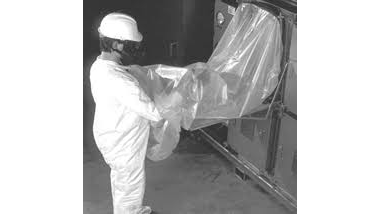
Bag-in/bag-out systems solve a problem that many people never think about until it's too late. Traditional filters get pulled out and tossed in the trash, potentially exposing maintenance workers and the surrounding environment to whatever nasty stuff got trapped inside. BIBO systems work differently by sealing contaminated filters inside protective bags during the entire removal process.
Here's how it works: the dirty filter gets bagged while still inside the housing unit, then a fresh filter in its own protective bag gets installed before the contaminated one is fully removed. This overlap ensures continuous filtration and zero exposure to hazardous particles. You're basically swapping filters without ever touching them or breathing the air around them.
Installing a bag-in/bag-out system is one thing, but maintaining it properly is another story entirely. These aren't systems you can hand off to your regular maintenance crew without extensive training. Technicians need to understand containment protocols, proper sealing techniques, and disposal procedures that meet strict regulatory requirements.
Many hospitals face a tough choice: invest heavily in training internal staff or deal with the risks of improper filter changes. Either option comes with significant costs, whether in training time or potential safety violations. Some facilities have discovered that bringing in certified specialists can actually save money while reducing risk.
Think about how often your hospital's maintenance team deals with HVAC issues, plumbing emergencies, and facility repairs. Now add highly specialized filter changeouts that require certification and carry serious health risks if done incorrectly. For many facilities, partnering with filtration experts makes more sense than trying to maintain that expertise in-house.
External specialists bring current knowledge of regulations, proven protocols, and proper disposal connections. They show up with the right equipment, complete the job safely, and document everything for compliance purposes. Your staff can focus on patient care instead of becoming filtration experts, which is probably why they got into healthcare in the first place.
At the end of the day, hospital air filtration isn't something you want to learn about through mistakes. Bag-in/bag-out systems represent a significant advancement in protecting both patients and staff from airborne hazards. Whether your facility handles the maintenance internally or brings in certified help, the key is making sure these critical systems get the expert attention they deserve.


