UK glioblastoma patients face stark choices: NHS treatments or advanced private therapies. Learn more about emerging treatments for this aggressive cancer, the cost of treatment, waiting times, and the outlook for patients.
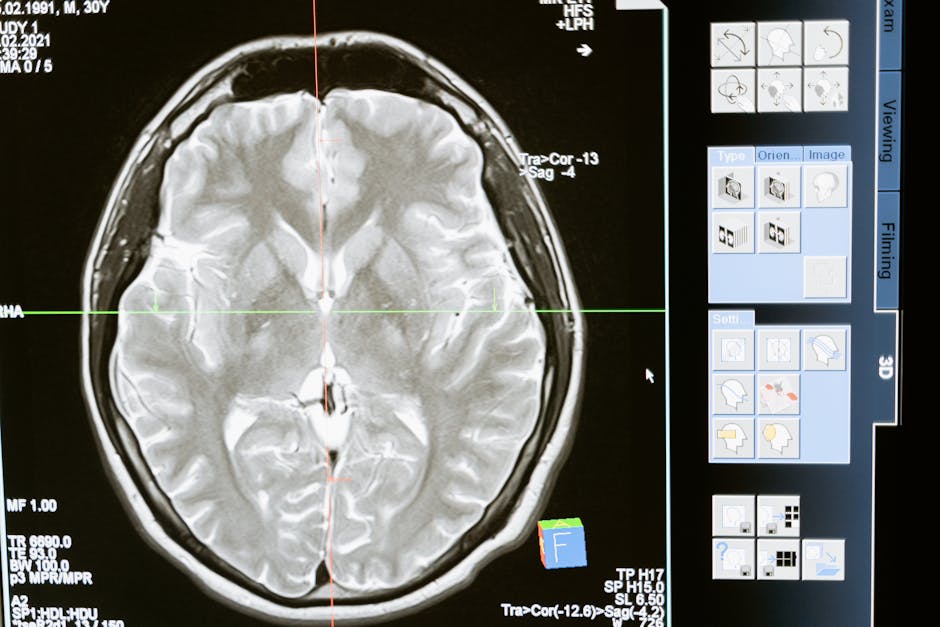
If you've ever wondered why so many British families turn to crowdfunding campaigns when cancer strikes, the story of glioblastoma—the most common form of malignant brain tumour in adults—offers a revealing case study. Each year, about 3,200 to 4,500 people in the UK receive this diagnosis. For most, the NHS provides surgery, radiotherapy, and chemotherapy as part of a standard protocol. Yet survival rates remain grim: the median is 12–15 months, and fewer than 5% live beyond five years.
That's where the system begins to fall apart. The best experimental therapies—from immunotherapy to wearable electrical field devices—remain outside NHS coverage, priced at levels that can quickly exceed household incomes. For families like Asta Pratapaviciene and her partner Raimondas, who recently launched a GoFundMe appeal, the gap between NHS provision and promising private options is wide enough to force difficult, public pleas for help.
The NHS follows what's called the Stupp protocol, a combination of:
For patients who can undergo all three, survival can stretch to 16–18 months—a meaningful but still short reprieve. The treatment is covered entirely by the NHS. In private hospitals, however, surgery alone can cost £20,000–40,000, with radiotherapy adding another £12,000–20,000.
But the shortcoming isn't just survival odds—it's also time. Many NHS oncology wards face shortages that delay radiotherapy by several weeks beyond guideline targets. Those delays matter because glioblastomas grow fast.
When NHS care hits its ceiling, patients look elsewhere. Here's what they find:
Tumour Treating Fields (Optune)
Bevacizumab (Avastin)
Immunotherapies (CAR‑T, checkpoint inhibitors)
Vaccine‑based treatments (e.g., DCVax‑L)
For most patients, crowdfunding is the only way to reach these treatments, which is why appeals like "You're My Only Hope" keep surfacing across social media.
Delays have consequences, both clinical and emotional. Data from Cancer Research UK confirms that 21% of GBM patients receive no active treatment—sometimes because they're too ill, but often because waiting times push them past the therapeutic window. Families describe the experience as a race against both the tumour and the system.
So what should families facing a glioblastoma diagnosis consider when weighing treatment options?
Glioblastoma is a crushing disease that reveals chinks in healthcare protocols: new treatments and groundbreaking science exist, but real access is rare and expensive.
For now, families like Asta and Raimondas are left to ask strangers online for help bridging the gap. The choices, then, aren't just medical. They're financial, ethical, and profoundly human.


