Most San Diego homeowners don’t realize that choosing the wrong EV charger location can cost thousands in unnecessary upgrades. Among other factors, the distance from the electrical panel matters – and local electricians are explaining why.
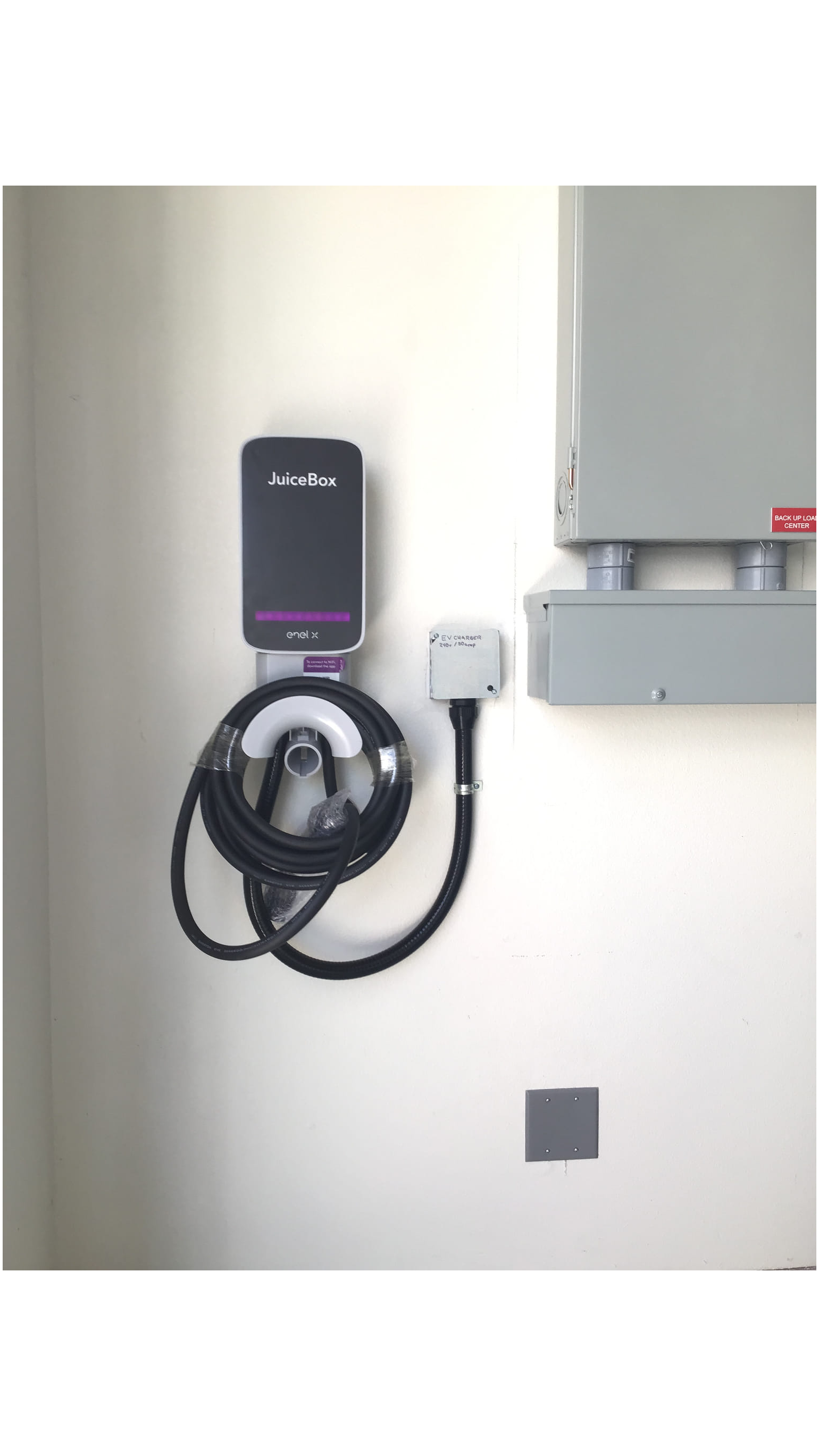
Choosing the right location for a home EV charging station involves more than simply finding a convenient spot near the parking area. San Diego has been identified by ChargePoint as a major hub in terms of electric vehicle ownership - but its unique climate, local regulations, and electrical requirements create specific challenges that require professional evaluation. The difference between an optimal installation and a problematic one often comes down to understanding the site factors long before breaking ground.
The foundation of any successful EV charger installation starts with a thorough site assessment. Multiple factors work together to determine both the feasibility and long-term performance of each charging station. Aspects such as the distance from the electrical panel, local code compliance, weather exposure, and future expansion needs will all play crucial roles in the decision-making process.
Professional evaluations are vital, and that's because seemingly minor oversights can lead to significant complications. Electricians like Point Loma Home Pros specialize in thorough site assessments that identify potential issues before installation begins, ensuring optimal placement and code compliance from the start.
Safety considerations intertwine with practical concerns throughout the evaluation process. The ideal location balances electrical efficiency, regulatory compliance, weather protection, and daily convenience while maintaining room for future modifications.
The physical distance between the electrical panel and the proposed charging station location directly affects installation costs and system performance. Every additional foot of wiring increases material expenses and labor time, with longer runs requiring larger gauge conductors to maintain proper voltage delivery.
Voltage drop will become a critical concern as distance increases. Level 2 chargers operating at 240 volts require consistent power delivery for optimal charging speeds. Excessive voltage drop from lengthy wire runs can reduce charging efficiency and potentially damage the vehicle's onboard charging system over time.
Installation complexity also escalates with distance. Longer wire runs often require additional conduit protection, especially for underground installations between detached garages and main panels. These protective measures only add to the costs and installation time.
Older homes frequently feature 100-amp or smaller electrical panels that lack sufficient capacity for Level 2 EV charger additions. Load calculations, required under California Electrical Code Article 220, determine whether existing systems can safely accommodate the additional 40-50 amp draw from a home charging station.
Panel upgrades to 200-amp service are often necessary for older homes, particularly those with existing high-demand appliances like electric water heaters, air conditioning systems, and pool equipment. This upgrade, while adding to upfront costs, provides long-term benefits for overall home electrical capacity.
Contemporary EV charging stations feature robust weather-resistant construction designed specifically for outdoor installation. NEMA 4X ratings ensure protection against the rain, dust, and corrosion common in San Diego's coastal environment. However, proper installation techniques remain vital for maintaining these protective capabilities.
Mounting location affects long-term durability even with weather-resistant equipment. Areas subject to direct water runoff, pooling, or excessive moisture should be avoided. Proper drainage around the installation site prevents water accumulation that could compromise electrical connections over time.
California Electrical Code (CEC 110.26) mandates specific working space requirements around electrical equipment for safe operation and maintenance access, typically a minimum of 30 inches wide, 3 feet deep, and 6 feet 6 inches high. General safety practices also recommend maintaining adequate distances from windows, doors, and ventilation openings to prevent hazards.
In San Diego, mounting height regulations require EV charger enclosures and connectors to be positioned between 36 and 48 inches from ground level. The California Electrical Code (CEC Art 625.29(B)) specifies that the coupling means of the Electric Vehicle Supply Equipment shall be stored at a height of 18 to 48 inches above the finished floor.
Working space requirements around electrical equipment ensure safe maintenance and emergency access. The code specifies minimum clearances in front of, behind, and to the sides of charging equipment based on voltage levels and installation environment.
Garage installations offer superior protection from San Diego's occasional heavy rains and intense sun exposure. This protection extends equipment lifespan and maintains optimal charging performance by preventing weather-related wear on connection points and charging cables.
Temperature stability within garages provides consistent charging conditions year-round. While San Diego's climate remains relatively moderate, enclosed installations eliminate temperature variations that can affect charging speeds and battery conditioning cycles.
UV protection is particularly important for charging cable longevity. Constant sun exposure degrades cable insulation and flexibility over time, potentially requiring premature replacement of these expensive components.
Enclosed garage installations significantly reduce theft risk for both the charging equipment and charging cables. EV charging stations and their accessories represent valuable targets, particularly in areas with limited natural surveillance.
Locking mechanisms and secured mounting become more effective in enclosed spaces where potential thieves face greater detection risk. Many homeowners install additional security measures - like cameras or motion sensors - more easily within garage environments.
Cable management also improves within garages, reducing trip hazards and preventing cable damage from foot traffic or vehicle contact. Proper cable storage systems protect these expensive components while maintaining clean, organized charging areas.
Driveway installations maximize accessibility for multiple vehicles and accommodate various parking configurations. This flexibility can be valuable for households with multiple EVs or frequent visitor charging needs.
Garage door operation requirements can complicate daily charging routines, particularly for older automatic door systems that may require manual override during charging sessions. Power outages can also limit garage access, preventing charging during emergencies.
San Diego County requires electrical permits for all Level 2 EV charger installations, regardless of location or complexity. These permits ensure installations meet current safety codes and provide official documentation for insurance and resale purposes.
Building permits are necessary when installations require structural modifications, such as mounting brackets on building exteriors or trenching for underground conduit runs. Permit requirements vary based on property type, installation complexity, and local jurisdiction specifications.
Inspection requirements mandate professional installation by licensed electricians and official approval before system activation. These inspections verify proper installation techniques, code compliance, and safety system functionality.
California Electrical Code Article 220 requires detailed load calculations for Level 2 EV charger installations to ensure electrical system safety and prevent overloading. These calculations are particularly important if the existing service panel is rated less than 200 amps. While Level 1 chargers using existing outlets may not always require load calculations, Level 2 installations consistently do.
Professional load analysis identifies potential issues before installation begins, preventing costly modifications or safety hazards. Licensed electricians use specialized software and testing equipment to perform accurate calculations that meet regulatory requirements.
Thorough site evaluations by qualified electricians identify optimal installation locations while avoiding costly mistakes. Professional assessments also consider electrical capacity, code compliance, accessibility, and future expansion needs in a single detailed review.
Cost optimization through proper planning prevents expensive change orders and rework that commonly occur with inadequate initial assessment. Professional evaluations will find the most efficient installation approach while ensuring code compliance and safety.
Long-term planning benefits include consideration of future electrical needs, potential solar integration, and multiple vehicle charging requirements. Professional insights help homeowners make informed decisions that maximize their investment value.
Planning for multiple EVs requires careful consideration of electrical capacity and charging station placement. Many households will eventually own multiple electric vehicles, making initial planning vital for avoiding expensive future modifications.
Electrical panel capacity must accommodate multiple high-amperage charging circuits without requiring service upgrades. Load management systems can optimize power distribution between multiple charging stations while staying within available electrical capacity.
Solar panel installations increasingly complement EV charging systems, creating integrated renewable energy solutions. Planning for potential solar integration during initial charging station installation prevents compatibility issues and reduces future modification costs.
Electrical system design considerations include conduit sizing and panel space allocation for solar integration components. Proper initial planning accommodates both current charging needs and future renewable energy additions.
Professional EV charger installation calls for a level of expertise that goes way beyond basic electrical work. Site evaluation, permit coordination, code compliance, and safety optimization demand specialized knowledge and experience that only qualified professionals possess.
Detailed assessment services identify optimal installation locations while preventing costly mistakes common in DIY attempts. Professional evaluations consider all relevant factors simultaneously, ensuring an efficient installation that meets current needs while accommodating future expansions.
Quality installation practices ensure long-term reliability and safety while maintaining warranty coverage on expensive charging equipment. Professional workmanship provides peace of mind while protecting investments in electric vehicle infrastructure, experts say.


