Planning holiday travel with your dog? If you’re waiting until the last minute to book boarding, you might already be too late. The busiest facilities fill up months in advance, and there’s a specific reason why settling for whatever’s left could stress out your pet.
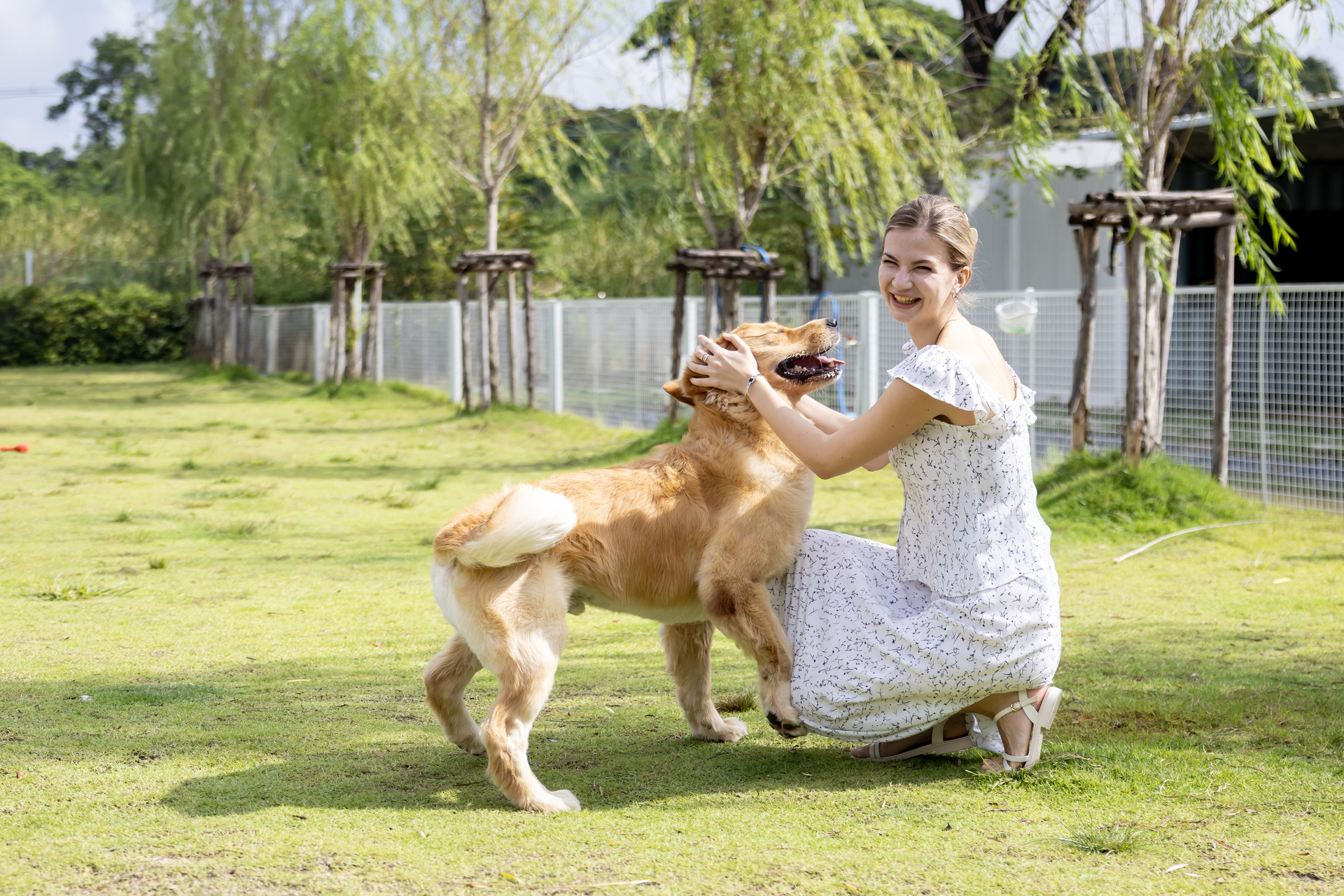
The holiday season brings joy, family gatherings, and well-deserved vacations. For dog owners in Central Florida, it also brings the important task of arranging safe, reliable care for their four-legged family members. Professional dog boarding has evolved far beyond basic kennel services, offering specialized care that benefits both pets and their owners during travel periods.
Holiday dog boarding operates on a completely different timeline than typical vacation planning. Christmas and New Year's represent the absolute peak booking period, requiring 8-10 weeks' advance notice at quality facilities. Thanksgiving follows closely behind with 4-6-week booking windows, while spring break and summer vacations typically need 6-8 weeks lead time. This isn't arbitrary scheduling - it reflects genuine capacity limitations at reputable boarding facilities.
Elite Professional Dog Training, a dog boarding facility based in Florida, emphasizes that early booking goes beyond securing a spot; it allows proper preparation time for both pets and owners. Last-minute arrangements often mean settling for subpar facilities or creating unnecessary stress for dogs who haven't had time to acclimate to boarding environments.
The booking surge during holidays stems from multiple factors: increased travel, limited facility capacity, and pet owners' preference for professional care over informal arrangements. Facilities that maintain high standards typically operate at smaller capacities to ensure individualized attention, making early reservations even more critical.
Professional boarding facilities employ trained staff who understand canine behavior, health monitoring, and emergency protocols. Unlike informal arrangements with friends or neighbors, these facilities maintain 24-hour supervision and have established relationships with local veterinarians. Staff members receive ongoing training in pet handling, recognizing signs of distress or illness, and managing various behavioral needs.
This professional oversight becomes particularly valuable during holidays when regular veterinary offices may have limited hours. Boarding facilities maintain detailed logs of each dog's eating, drinking, elimination, and activity patterns, allowing for early detection of potential health issues.
Quality boarding facilities provide structured socialization opportunities that many dogs cannot access at home. Group play sessions, supervised interactions with other dogs, and varied exercise routines contribute significantly to a dog's physical and mental well-being. These activities help prevent the boredom and anxiety that can develop during extended periods away from their owners.
Many facilities offer specialized programs for different energy levels and temperaments, ensuring each dog receives appropriate stimulation. Swimming pools, agility courses, and nature walks provide variety that keeps dogs engaged and exercised throughout their stay.
Professional boarding eliminates the worry and guilt that often accompany pet ownership during travel. Owners can focus entirely on their holiday activities knowing their dogs are receiving consistent, professional care. Many facilities now offer webcam access, photo updates, and daily reports that keep owners connected without creating anxiety for their pets.
This peace of mind extends to emergency situations. Professional facilities have protocols for medical emergencies, severe weather, and other unexpected events that could leave informal caregivers overwhelmed or unprepared.
Central Florida dog boarding costs reflect both regional economics and facility quality levels. Basic kennel services typically start around $30 per night, while luxury facilities with extensive amenities can reach $90 or more per night. Daily daycare services in Orlando typically range from $33-$38 per day for enrolled dogs, with overnight boarding costs varying based on facility type and services provided.
Several factors influence pricing within this range. Dog size affects cost, with larger breeds requiring more space and resources. Facility location, amenities offered, staff-to-dog ratios, and additional services like grooming or training all impact final pricing. Luxury facilities providing private suites, swimming pools, and individualized attention command premium rates.
Budget-conscious owners can find quality care at the lower end of this spectrum, but should prioritize safety, cleanliness, and staff qualifications over cost alone. Mid-range facilities often provide the best value combination of professional care and reasonable pricing.
Holiday periods commonly include additional fees ranging from $10-$30 per night above standard rates, reflecting increased demand and holiday pay for staff. Christmas, New Year's, and Thanksgiving commonly carry these premium rates, while some facilities extend holiday pricing to entire weeks surrounding major holidays.
Minimum stay requirements become more common during peak periods. Many facilities require 2-3 night minimums during holidays, both to maximize efficiency and ensure dogs have time to settle into routines. Some luxury facilities may require 5-7 day minimums during Christmas week.
Cancellation policies also become stricter during holidays, with many facilities requiring deposits that may be non-refundable or requiring a 72-hour notice for full refunds. Pet owners should factor these requirements into their planning and budget accordingly.
No online review or website can substitute for personal observation of a boarding facility. During visits, evaluate cleanliness standards, ventilation systems, and odor control. Well-managed facilities maintain fresh air circulation and minimal odors despite housing multiple dogs. Observe the condition of play areas, sleeping quarters, and food preparation spaces.
Security measures should include secure fencing, controlled access points, and identification systems for both pets and authorized personnel. Ask about escape prevention protocols and how the facility handles dogs who may be escape artists or anxiety-prone.
Pay attention to the overall atmosphere. Dogs should appear relaxed and engaged, not stressed or fearful. Staff should interact confidently and kindly with the animals, demonstrating genuine care rather than just going through motions.
Qualified staff make the difference between adequate and exceptional boarding experiences. Ask about staff training programs, experience levels, and turnover rates. High turnover often indicates poor management or working conditions that could affect pet care quality.
Emergency protocols should cover medical emergencies, severe weather, power outages, and facility security. Facilities should maintain relationships with local emergency veterinary clinics and have clear procedures for contacting owners during emergencies. Ask specifically about after-hours coverage and weekend protocols.
Request information about staff-to-dog ratios during different shifts. Adequate supervision requires sufficient staffing around the clock, not just during business hours.
Reputable facilities maintain strict health requirements to protect all boarding pets. Standard requirements include current rabies, distemper, parvovirus, and Bordetella (kennel cough) vaccinations. Some facilities also require Lyme disease, influenza, or other regional vaccinations based on local risk factors.
Health policies should require veterinary documentation and may include health examinations within specific timeframes before boarding. Facilities should also have protocols for handling dogs who become ill during their stay, including isolation procedures and veterinary consultation processes.
Ask about flea and tick prevention requirements, as infestations can spread rapidly in group environments. Quality facilities often require current parasite prevention or provide it as part of their services.
Online reviews provide valuable insights into real customer experiences, but approach them strategically. Look for patterns in feedback rather than focusing on individual complaints or praise. Pay particular attention to comments about staff responsiveness, facility cleanliness, and how facilities handle problems or emergencies.
Local veterinarians often provide excellent referrals based on their professional observations and client feedback. Dog training facilities, groomers, and pet supply stores also interact regularly with boarding facilities and can offer informed recommendations.
Consider reaching out to current customers if possible. Many dog owners are happy to share their boarding experiences and can provide specific insights about how facilities handle different breeds, temperaments, or special needs.
First-time boarding can create anxiety for both dogs and owners, making preparation vital for successful experiences. Trial visits allow dogs to examine the facility, meet staff members, and experience brief separations in the boarding environment. Many facilities offer half-day or overnight trial stays specifically designed to ease this transition.
These practice sessions help identify potential issues before holiday boarding when alternative arrangements become difficult. Dogs with separation anxiety, food sensitivities, or social challenges benefit significantly from gradual exposure to boarding environments.
Schedule veterinary check-ups well before boarding dates to ensure vaccinations are current and address any health concerns. Discuss boarding plans with your veterinarian, who may recommend specific preparations based on your dog's age, health status, or temperament. Some dogs benefit from anti-anxiety medications or calming supplements during boarding stays.
Familiar scents and objects provide significant comfort for dogs in new environments. Pack your dog's regular food to maintain dietary consistency and prevent stomach upset during an already stressful time. Include enough food for the entire stay plus extra days in case of travel delays.
Comfort items like favorite blankets, toys, or even unwashed clothing with your scent can ease separation anxiety. However, only bring items you're willing to lose or have damaged, as group environments can be hard on personal belongings.
Prepare detailed care instructions covering feeding schedules, medication requirements, exercise preferences, and any behavioral quirks or triggers. Include emergency contact information and your veterinarian's details. The more information you provide, the better staff can maintain your dog's normal routines and comfort levels.


