Texas homeowners are unknowingly wasting hundreds of dollars annually on energy bills due to their area’s limestone-rich water. One millimeter of mineral buildup can increase energy costs by 7% – but there’s a solution that pays for itself.
Texan homeowners face a costly hidden problem that silently drains their wallets every month. The limestone-rich geology of Central Texas creates water so hard that it forces appliances to work overtime, dramatically increasing energy consumption while shortening equipment lifespan.
The state of Texas sits atop limestone formations that dissolve calcium and magnesium into groundwater, creating some of the hardest water in the country. With average hardness levels ranging from 200-300 parts per million, local homeowners unknowingly battle mineral deposits that accumulate inside every water-using appliance.
This mineral-rich water doesn't just leave spots on dishes—it creates an invisible energy thief. Households with untreated hard water experience up to a 48% drop in water heater efficiency due to scale buildup, forcing systems to work harder and consume significantly more energy. The financial impact becomes clear when considering that homes with hard water may use 20-30% more energy to heat water compared to homes with soft water.
Mineral deposits don't just sit harmlessly inside appliances—they actively sabotage efficiency by creating an insulating barrier between heating elements and water. This scale acts like a thermal blanket, preventing proper heat transfer and forcing water heaters to burn more gas or consume more electricity to reach target temperatures.
Research shows that even a thin layer of scale dramatically impacts performance. A single millimeter of limescale on boiler heating elements increases energy usage by 7%. As deposits continue accumulating over months and years, this percentage compounds, creating substantial increases in utility bills. Water heaters in hard water areas often develop several millimeters of buildup, leading to energy waste exceeding 20-30%.
Scale buildup doesn't just increase energy costs—it kills appliances prematurely. Hard water can shorten the lifespan of water heaters and other appliances by 30-50%, forcing homeowners to replace dishwashers, washing machines, and water heating systems years ahead of schedule. The combination of reduced efficiency and shortened lifespan can cost homeowners $1,500 or more over seven years just for their water heater alone.
The geological reality of Central Texas makes hard water inevitable without treatment. Underground limestone formations naturally dissolve calcium and magnesium into groundwater as it percolates through rock layers. Texas ranks among the states with the hardest water in the US, with regions like the Hill Country experiencing particularly challenging mineral concentrations due to these limestone deposits.
Beyond water heaters, other major appliances suffer progressive efficiency losses as mineral deposits accumulate. Dishwashers and washing machines face unique challenges as hard water minerals interfere with both mechanical components and cleaning processes.
Scale buildup gradually narrows water passages, reducing flow rates and forcing appliances to run longer cycles to complete their tasks. Washing machines may struggle to fill properly, while dishwashers take longer to circulate cleaning water. These extended cycle times translate directly into higher energy consumption, even when appliances appear to be functioning normally.
Mineral deposits particularly target narrow openings like dishwasher spray arm holes and heating element surfaces. As these components become clogged or coated, cleaning performance deteriorates while energy consumption increases. Hard water causes mineral deposits that reduce the efficiency of appliances by up to 25% and can significantly shorten their operational lifespan.
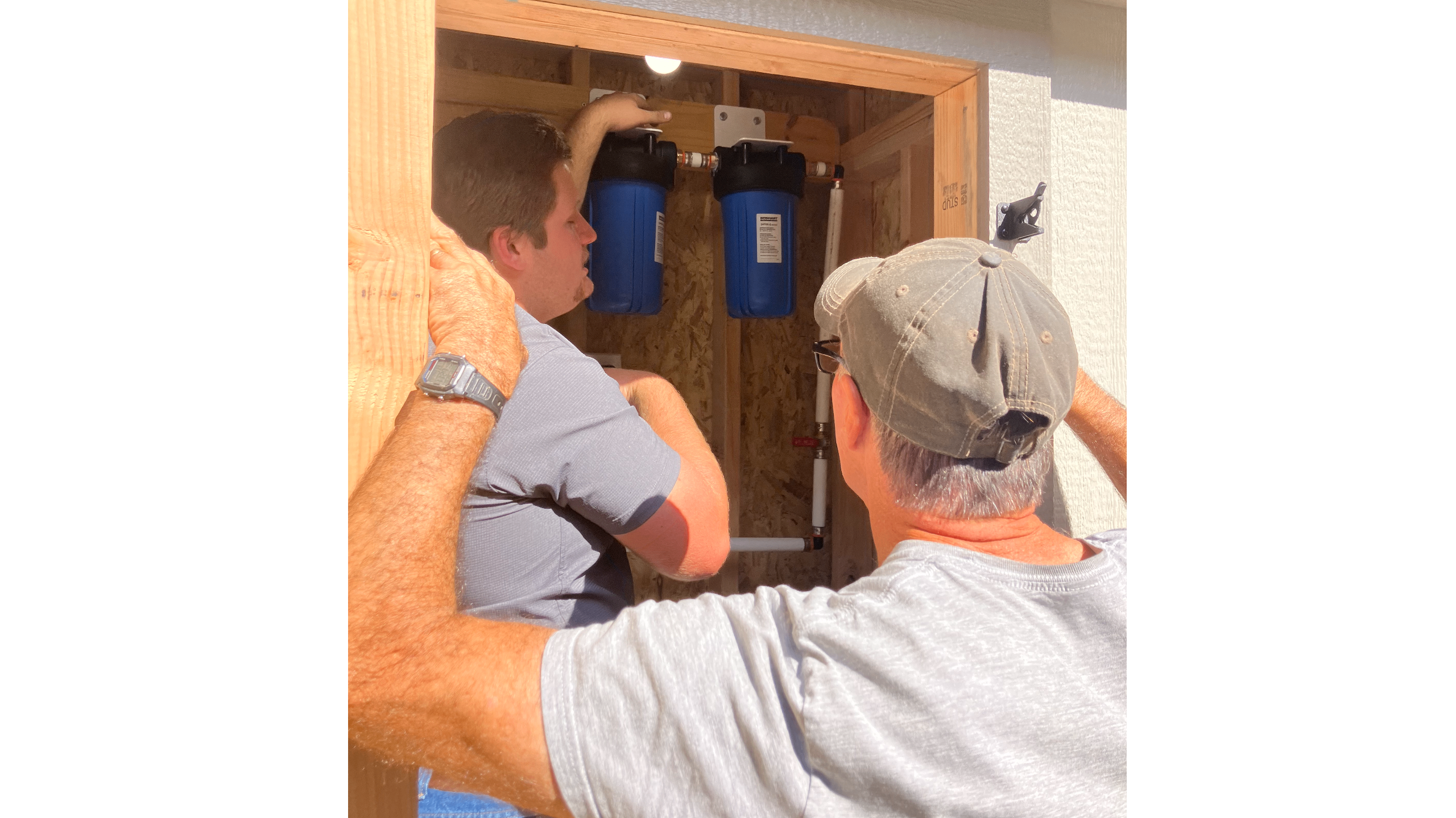
Installing a quality water softener system addresses hard water problems at their source, delivering immediate and long-term benefits for both energy costs and appliance performance. Marble Falls-based Complete Care Plumbing Electric & AC explains that modern softener technology provides protection against mineral buildup while improving overall household efficiency.
Water softeners use ion exchange technology to remove calcium and magnesium before they can form deposits. Resin beads charged with sodium ions capture hardness minerals and replace them with sodium, creating soft water that flows freely through pipes and appliances without leaving residue. This process prevents future scale formation while allowing existing deposits to gradually dissolve.
With scale-free heating elements, water heaters achieve proper heat transfer efficiency, requiring less energy to reach target temperatures. Water softeners can reduce monthly energy bills by 15-25% through improved appliance efficiency. Even modest reductions in mineral buildup can boost water heater efficiency by up to 20%, translating into noticeable savings on utility bills.
Beyond energy savings, water softeners can extend water heater lifespan by up to 50% by preventing the mechanical stress and corrosion caused by mineral deposits. This protection saves homeowners thousands of dollars in premature replacement costs while improving water flow rates and reducing energy consumption throughout the home's plumbing system.
Texas homeowners need water treatment solutions specifically designed for their area's challenging mineral content. Professional installation ensures proper system sizing based on water hardness levels, household size, and usage patterns. Quality softener systems typically last 10 to 15 years with proper maintenance, providing decades of energy savings and appliance protection.
Modern water softener technology offers multiple benefits beyond just removing hardness minerals. Salt-efficient systems minimize environmental impact while high-capacity units handle large household demands. Many homeowners also reduce spending on cleaning products since soft water allows soaps and detergents to work more effectively with smaller quantities.
The average water softener pays for itself through energy savings, reduced appliance maintenance, and extended equipment life. Professional maintenance keeps systems operating efficiently, with routine tasks like checking salt levels and cleaning resin beds ensuring optimal performance year after year.


