Choosing between a 5K and a half-marathon isn’t about medals or friends; it’s about matching your fitness to the right challenge. Speed versus endurance, intensity versus duration: each distance demands different training commitments.
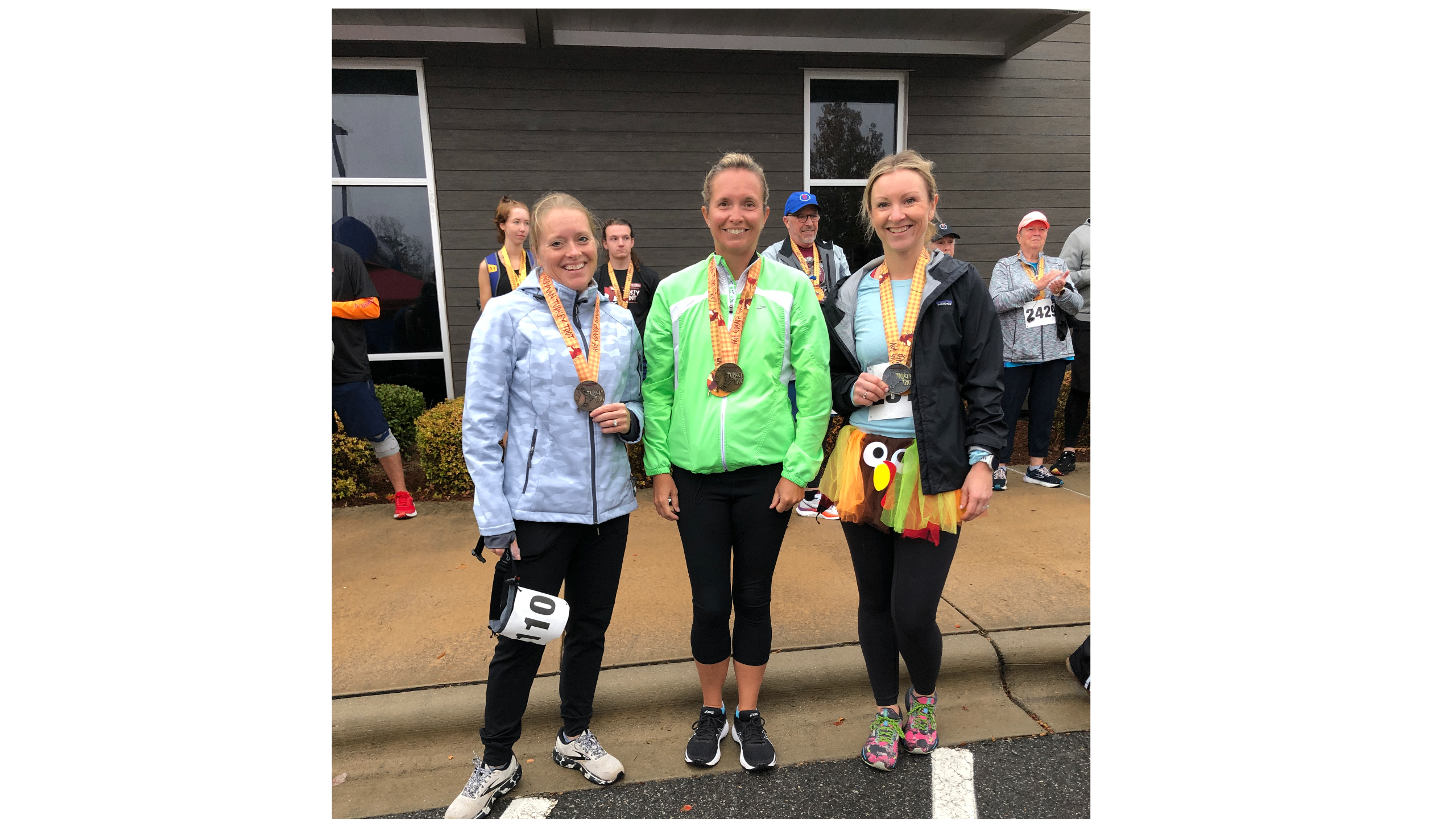
Picking your race distance shouldn't depend on which event has the coolest medal or what your running buddy signed up for already, says a North-Carolina-based expert from Epic Sports Marketing. Events with both distances help you understand what each race truly demands, guiding you to choose wisely and enjoy the experience instead of struggling through it.
A 5K race covers 3.1 miles and typically takes most runners between twenty and forty minutes to complete from start to finish. This distance rewards speed and intensity since you're essentially holding a sustained hard effort for the entire race duration. Most beginners can prepare for their first 5K in six to eight weeks with manageable training schedules that fit busy lives.
Your training focuses heavily on building speed through interval workouts like 400-meter or 800-meter repeats at faster-than-race pace. Weekly mileage stays reasonable at fifteen to twenty-five miles total, with your longest training run capping around five to six miles. Race day strategy centers on controlled aggression, where you start fast and hang on through discomfort for twenty-plus minutes.
A half-marathon covers 13.1 miles and takes most runners between ninety minutes and three hours to complete the full distance. This race tests your endurance and mental stamina more than pure speed, requiring patient pacing and strategic energy management. Training for a half-marathon demands twelve to sixteen weeks of consistent work with weekly mileage building toward thirty-five miles.
Your training schedule includes four to five runs weekly, with the long run becoming the centerpiece workout of each week. These long runs gradually extend to ten or twelve miles, teaching your body to burn fat efficiently and stretch endurance. Race day fueling becomes critical once you're running longer than sixty minutes, requiring thirty to sixty grams of carbohydrates per hour.
The answer depends entirely on how you define "harder," since these two distances challenge runners in completely different ways. A 5K feels harder from an intensity standpoint because you're running at a pace thirty to sixty seconds per mile faster. Your breathing becomes labored quickly, your legs burn from the sustained speed, and the discomfort hits immediately from the starting gun.
Half marathons create a different type of difficulty that comes from duration rather than intensity during the actual racing effort. The pace feels more manageable initially, but maintaining any pace for thirteen miles tests your mental toughness and physical endurance. Problems that don't matter in a 5K, like boredom, doubt, or minor aches, become major obstacles when you still have miles remaining.
Your current fitness level should guide your decision more than any other factor when selecting your first race distance. Start with a 5K if you're brand new to running or can currently jog continuously for twenty to thirty minutes. This lets you experience race day excitement without overwhelming time commitments that derail many beginners before they even start training.
Choose the half-marathon if you've been running consistently for several months and can comfortably complete four to five miles. You also need twelve to sixteen weeks available for structured training without major interruptions to your schedule or existing commitments. Building a half-marathon distance safely takes consistent work that you can't rush without risking injury or burnout.
Available training time in your weekly schedule matters just as much as your current running ability when picking distances. Training for a 5K requires three to four runs weekly at fifteen to twenty-five total miles that fit around work. Half-marathon preparation demands four to five runs weekly with volumes reaching thirty-five miles, including long Saturday runs consuming entire mornings.
Weekly mileage requirements change dramatically based on which race distance you target for your first competitive running experience overall. Training for a 5K keeps total running around fifteen to twenty-five miles spread across three to four runs weekly. Half-marathon preparation pushes weekly volume toward twenty-five to thirty-five miles as race day approaches and your fitness improves.
Key workout types shift focus based on what each race demands from your cardiovascular system during actual race competition. Training for a 5K emphasizes interval sessions at speeds faster than goal race pace with generous recovery periods between. Half-marathon training prioritizes tempo runs lasting twenty to forty minutes at a comfortably hard pace that improves your lactate threshold.
Recovery needs also differ significantly between these two race distances based on intensity versus duration of training efforts. You can race a 5K hard on Saturday and bounce back quickly enough to race again the following weekend. Half marathons hit your system much harder despite slower paces, requiring two to three weeks of recovery before attempting another race.
Your decision ultimately depends on matching race distance to your current fitness foundation and available training time in weekly schedules. Quality racing opportunities exist where supportive communities help first-timers succeed at both distances consistently. Pick the challenge that fits your life right now rather than what external pressure or social media suggests.


