Proper gear can make a first half marathon far more comfortable and enjoyable. From shoes and clothing to hydration and accessories, North Carolina experts provide detailed tips to ensure you stay confident, prevent discomfort, and focus on the race instead of constantly adjusting your outfit.
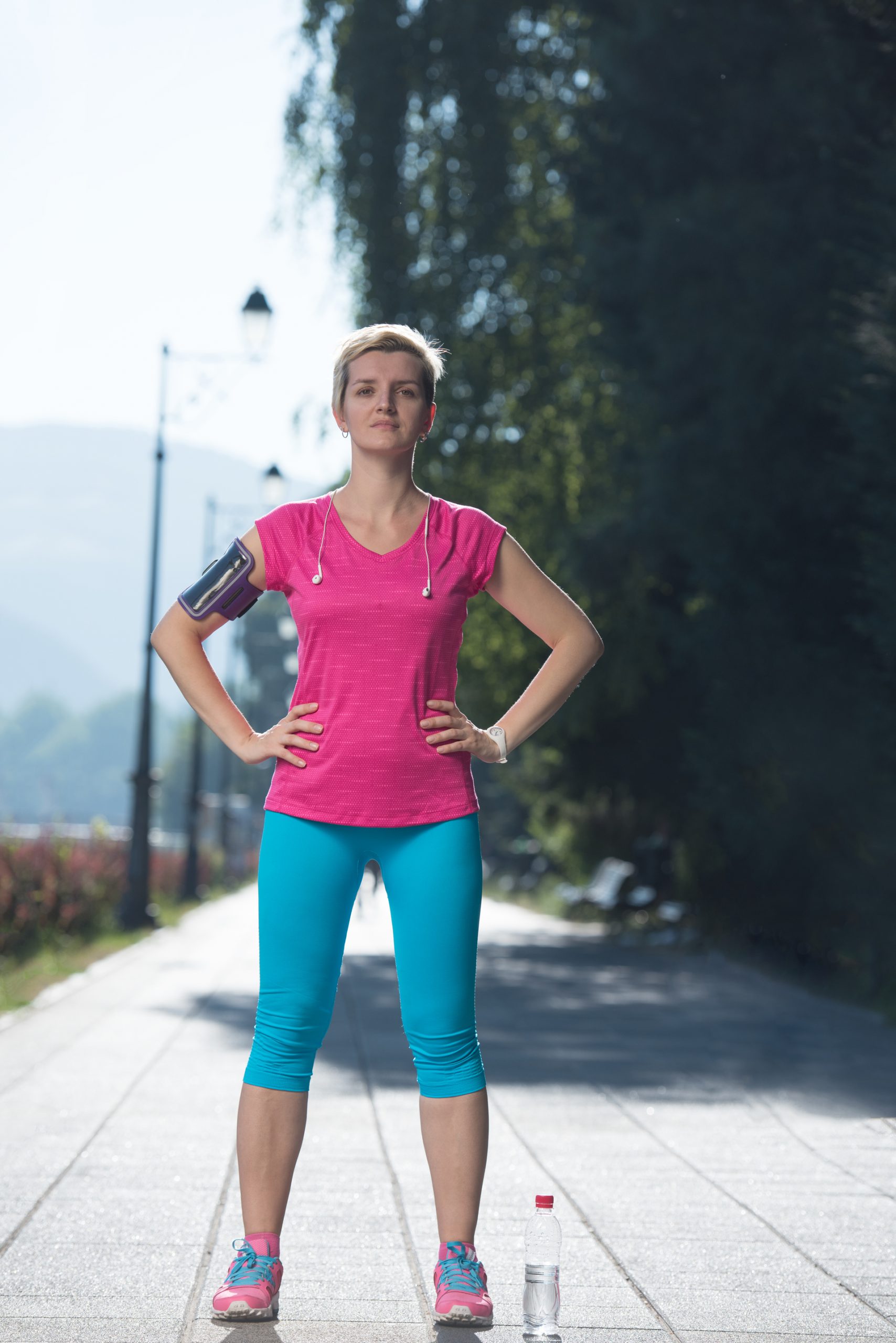
Running a half-marathon is exciting, but choosing the right outfit can make or break your experience. Proper clothing, shoes, and accessories help prevent chafing, blisters, and discomfort during the race.
For anyone planning to join events, knowing what to wear is essential, says the North Carolina-based team at Epic Sports Marketing. This guide provides practical tips to help you stay comfortable, avoid common mistakes, and enjoy your first race from start to finish.
First-time runners often underestimate how much gear affects performance and comfort. Shoes that aren’t properly broken in can create blisters or sore feet, while socks made from the wrong material can trap moisture and increase friction, leading to painful hotspots. Clothing that is too tight or too loose can rub against sensitive skin, causing chafing or irritation. Weather conditions also play a large role, as you may feel too warm or too cold depending on how your outfit handles changing temperatures.
Even small details like the type of hat, sunglasses, or armband for carrying essentials can make a difference over the course of 13.1 miles. These elements may seem minor during training runs, but on race day, every detail counts. By the end of this guide, you will know how to select shoes, clothing, and accessories that help you feel confident, comfortable, and prepared for your first half-marathon.
Shoes are the foundation of a smooth, enjoyable run. For first-timers, comfort and familiarity are far more important than style or brand. Running in shoes that you haven’t tested can lead to painful blisters, aching feet, or even injuries.
First-time runners should never wear brand-new shoes or socks on race day. Testing your gear during training ensures that you know how it fits, feels, and performs over longer distances. This simple step prevents discomfort and helps you focus on running instead of constantly adjusting your footwear.
Clothing selection is just as important as shoes. The right outfit keeps you comfortable, reduces chafing, and allows your body to regulate temperature efficiently during the run.
Adding accessories such as a lightweight hat, sunglasses, or gloves can also make a significant difference. Hats help keep the sun out of your eyes, sunglasses reduce glare, and gloves keep your hands warm in cooler weather. These minor items improve comfort without adding extra bulk or restriction.
Accessories often get overlooked by first-time runners, but they are essential for convenience and performance. These include:
Using only essential accessories keeps you focused on the run, rather than being weighed down or distracted by unnecessary items. Properly chosen accessories enhance both comfort and convenience, making your race experience smoother.
Preparation isn’t just about gear selection; it’s about testing how all your items work together during long runs. Wear your full outfit, including shoes, socks, clothing, and accessories, during a long training session to make sure nothing causes friction or discomfort.
Moisture-wicking fabrics, lightweight layers, and secure accessories help prevent chafing, overheating, or irritation. A short pre-race warm-up can help your muscles adjust to your gear and reduce the risk of injury. Packing a small bag with backup items like extra socks or a lightweight shirt can also help you manage last-minute adjustments, so you stay prepared for any condition.
During the half-marathon, comfort is key to enjoying the experience and maintaining performance. Adjust clothing layers if needed and pay attention to how your body reacts at different points. Hydration and fuel should be taken regularly, using items you’ve practiced with to prevent stomach discomfort. Accessories like hydration belts or pouches keep essentials accessible while minimizing distractions.
Listen to your body, pace yourself consistently, and maintain a focus on efficient movement rather than pushing too hard early in the race. Small adjustments during the run, such as loosening a strap or shifting a hat, can help you stay comfortable without breaking stride.
Your race-day outfit is more than clothing; it’s part of your strategy. Shoes, socks, and clothing work together to prevent discomfort, while accessories support hydration, fuel, and essential items. Testing all gear during training ensures that you can focus on pacing, breathing, and enjoying the race rather than adjusting your outfit constantly. A well-prepared runner spends less energy managing gear and more energy running efficiently.
Participating in local sport events becomes far more enjoyable when you prepare thoughtfully. Using tested gear, planning for weather changes, and packing essential accessories ensures a comfortable, successful, and memorable first half-marathon experience. With careful attention to gear and preparation, you can focus fully on the excitement of running 13.1 miles.


