Gulf Coast homeowners can slash storm damage costs by 60% using simple roof preparation steps that most people skip until it’s too late. Local roofing experts reveal what you can do right now to protect your home before the next hurricane hits.
Every year, Gulf Coast homeowners face a sobering statistic: hurricane damage costs exceed $15 billion annually across Texas and Louisiana. Yet insurance adjusters report that nearly 60% of roof damage claims could have been prevented with basic preparation steps taken before storms arrive.
Picture this scenario: You're sitting in your living room as hurricane winds howl outside, and you hear the dreaded sound of water dripping from your ceiling. That small loose shingle you noticed months ago has now become a major leak, and what could have been a $200 repair is now thousands in water damage restoration.
You probably assume your roof is fine until you see obvious damage. This thinking puts your home at serious risk during the Gulf Coast hurricane season. Most people don't realize that small issues like loose flashing or missing shingles become major problems when 100+ mph winds hit your property.
The biggest mistake homeowners make is waiting for visible damage before taking action. By then, minor problems have already compromised your roof's ability to protect your home during severe weather events.
Taking these preparation steps can save you thousands in storm damage and insurance headaches.
You don't need to climb on your roof to spot potential problems. Walk around your property and look up at your roofline from ground level. Check for:
Use binoculars to get a closer look at areas that seem questionable. Take photos of any concerns so you can show them to professionals if needed.
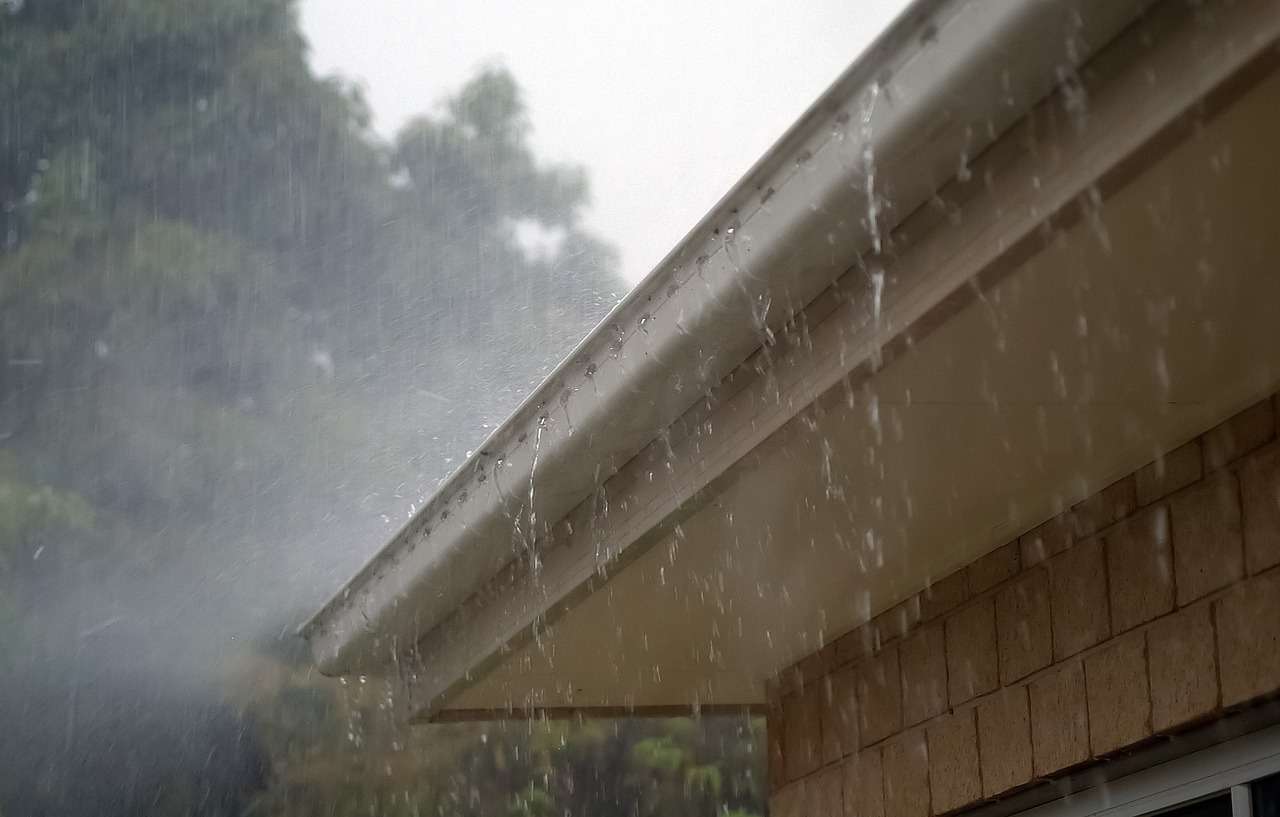
Clogged gutters cause water to back up under roof edges during heavy rainfall. Clean out all debris from gutters and downspouts at least twice before hurricane season begins. Make sure water flows freely away from your foundation.
Check that downspout extensions direct water at least 6 feet away from your home's foundation. During hurricanes, proper drainage prevents water from pooling around your property and reduces the risk of roof edge damage.
Hurricane-force winds turn everyday objects into dangerous projectiles that can puncture your roof. Walk your property and secure or remove items like:
Trim tree branches that hang over or near your roof. Large branches become battering rams during storms, causing significant structural damage when they fall.
Some preparation tasks require professional expertise and equipment. Schedule professional inspections if you notice:
Professional inspectors can identify problems you might miss and provide documentation that helps with insurance coverage if storm damage occurs.
Preparation includes having reliable emergency contacts ready before you need them. Research local roofing contractors who offer 24/7 emergency services and keep their contact information easily accessible.
Create a home emergency kit that includes tarps, battery-powered lights, and basic tools. While you shouldn't attempt roof repairs yourself, having these supplies helps you protect belongings inside your home if minor leaks occur during storms.
Galveston County Roofing, a local roofing company that has spent over 20 years working with coastal weather patterns and has experience with major storm events like Hurricane Ike and Hurricane Harvey, recommends that when you're choosing emergency contacts, you should prioritize contractors who understand coastal construction requirements and have proven experience with Gulf Coast storm recovery.
Gulf Coast properties face unique challenges that require specialized knowledge. Salt air, high humidity, and frequent severe weather create conditions that affect different roofing materials in specific ways. Local contractors understand these challenges because they deal with them every day.
Hurricane Harvey taught many homeowners valuable lessons about preparation. Properties that had recent professional inspections and proper maintenance suffered significantly less damage than those that had been neglected.
The most successful storm preparation stories share common elements: homeowners took action early, addressed small problems before they became big ones, and had reliable professional contacts ready when emergency situations developed.
Hurricane season arrives every year, but you don't have to face it unprepared. Start with a simple walk around your property this weekend to check for obvious concerns. Schedule any needed professional inspections while contractors have availability before the busy storm season begins.
Remember that the preparation time invested now prevents much larger problems later. Your roof protects everything else you value in your home, so giving it proper attention before storm season makes good financial sense.
Contact local roofing professionals for comprehensive inspections if you have any concerns about your roof's condition. Taking action early gives you peace of mind and protects your investment when severe weather strikes the Gulf Coast.


