South Australian wineries are bleeding money on electricity bills that can consume 15% of operational costs, with demand charges hitting 42% during vintage season. But choosing between grid-tied and hybrid solar isn’t straightforward—the wrong decision could cost you more than skyrocketing energy prices.
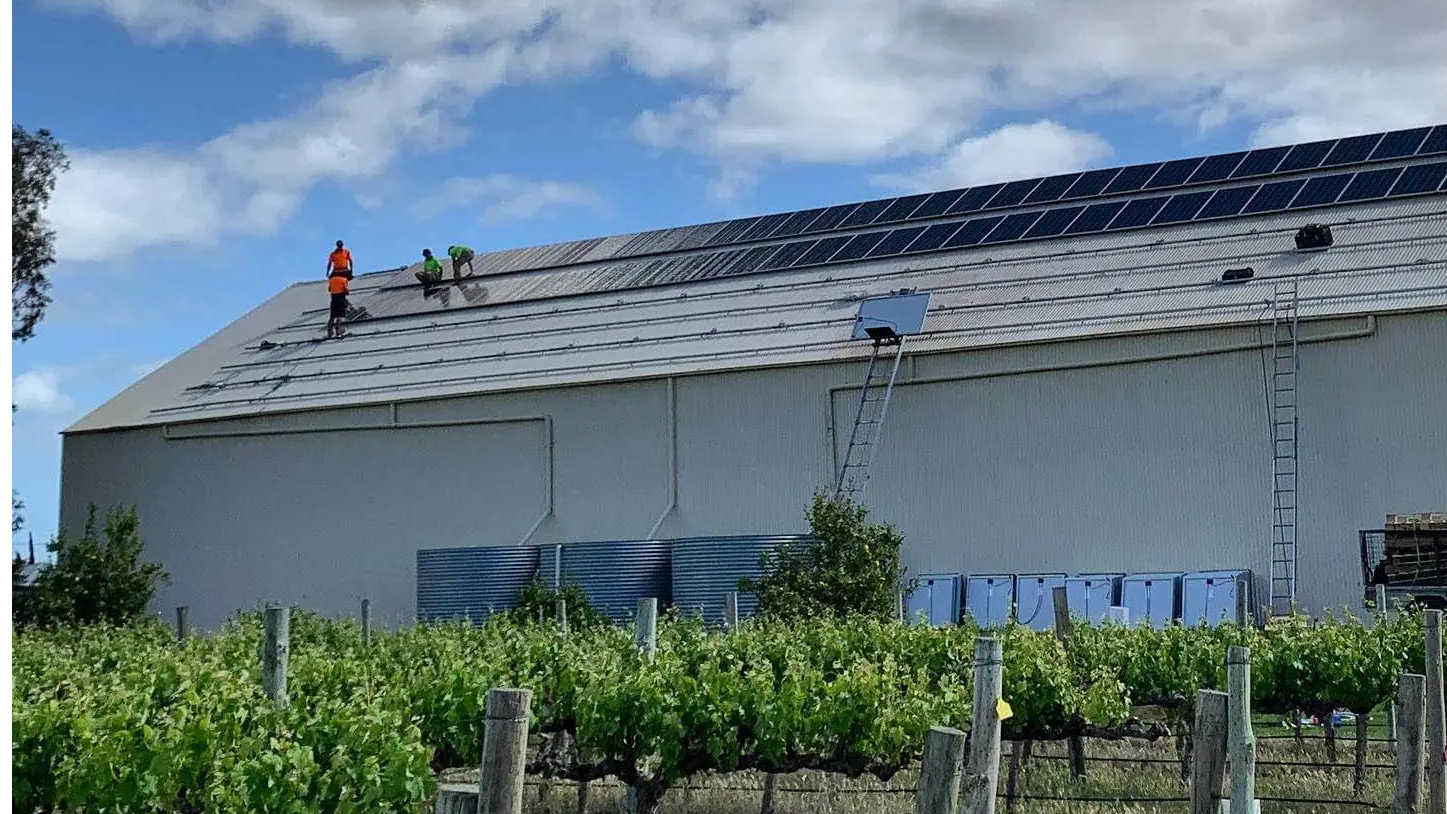
South Australian winery owners are feeling the pinch as energy costs continue to climb, with electricity expenses now accounting for up to 15% of total operational costs. The situation becomes even more challenging when considering that electricity demand charges can represent a staggering 42% of total electricity expenses, particularly during peak vintage periods from January to late April when energy consumption soars.
The South Australian wine sector faces a perfect storm of high electricity dependency coinciding with peak grid demand and pricing during the most critical production period. This timing creates significant financial pressure on wineries, as they must run energy-intensive equipment like refrigeration systems, crushers, and pumps precisely when electricity rates are at their highest.
Major wine producers are already taking action to combat these rising costs. P4B Solar has witnessed a surge in SA wineries seeking solar solutions as they work to reduce their dependency on grid electricity and gain more control over their energy expenses.
Temperature control represents the single largest energy expense for most SA wineries, with refrigeration systems consuming between 50-70% of total electricity usage. This makes cooling equipment the prime target for solar energy savings, as these systems typically operate during daylight hours when solar panels generate peak power.
The refrigeration load includes fermentation tank cooling, cold storage facilities, and climate control for barrel rooms and tasting areas. These systems run most intensively during vintage season when ambient temperatures are highest and cooling demands peak. This perfect alignment between solar generation and cooling requirements creates exceptional opportunities for immediate energy cost reductions.
Real-world examples demonstrate the substantial impact of targeting refrigeration loads. In 2013, Barossa Vintners' 90kW solar array specifically focused on offsetting cooling costs, resulting in annual savings of approximately $26,000 while reducing the winery's carbon emissions by 22%. This targeted approach maximises the return on solar investment by directly addressing the highest-consuming equipment.
Grid-tied solar systems have become the go-to solution for SA wineries seeking immediate energy cost relief without complex battery management. These systems connect directly to the electricity grid, allowing excess solar power to flow back into the network while drawing grid power when solar production is insufficient.
Grid-tied systems require minimal equipment compared to other solar options, typically including only solar panels, inverters, and grid connection hardware. This streamlined approach reduces initial capital requirements, with systems often paying for themselves within 4-6 years through electricity bill reductions and feed-in tariff credits.
Treasury Wine Estates' massive 2.6 MW installation at their Barossa Winery exemplifies this approach, featuring nearly 6,000 solar panels generating over 5,500 MWh annually. The system was designed to maximise capacity utilisation of existing grid infrastructure, demonstrating how grid-tied systems can scale efficiently without requiring extensive additional infrastructure.
Winery operations align naturally with solar generation patterns, as most energy-intensive activities occur during daylight hours. Crushing, pressing, fermentation management, and refrigeration demands peak when solar panels produce maximum power, creating an ideal synergy that maximises direct solar consumption.
Pernod Ricard Winemakers leverages this alignment across their Barossa Valley operations, using over 10,300 solar panels to generate approximately 4,000 megawatt-hours annually. Their system directly powers daytime operations while contributing excess energy to the grid, optimising both operational efficiency and financial returns.
The primary drawback of grid-tied systems is their inability to operate during power outages. Safety regulations require these systems to shut down automatically when grid power fails, preventing solar panels from energising potentially dangerous lines during maintenance work. This limitation can be particularly problematic during vintage season when power interruptions could compromise temperature-sensitive fermentation processes.
For wineries in areas with reliable grid connections, this limitation may be acceptable given the cost savings. However, operations in regions experiencing frequent outages or those handling premium wines requiring precise temperature control may need to consider alternative solutions.
Hybrid systems combine grid connection with battery storage, providing the best of both worlds for wineries requiring energy security alongside cost reduction. These systems can operate independently during outages while maintaining grid connectivity for optimal energy management and revenue generation.
Integrated battery storage ensures critical winery operations continue during grid failures, protecting valuable wine inventory and maintaining fermentation temperatures. Modern lithium-ion batteries can provide several hours to multiple days of backup power, depending on the system size and energy requirements.
Inkwell Wines in McLaren Vale demonstrates this approach with their grid-connected autonomy system, using solar and battery storage to power their cellar door, luxury accommodation, and manager's residence. This solution provides energy security across all operations while maintaining grid connectivity for optimal energy trading.
Battery storage enables wineries to store excess solar energy generated during low-demand periods and use it during peak demand times when electricity rates are highest. This load-shifting capability can significantly reduce demand charges, which often represent the largest component of commercial electricity bills.
Smart battery management systems can automatically optimise energy usage patterns, charging batteries when solar generation exceeds consumption and discharging during expensive peak periods. This intelligent energy management can reduce overall electricity costs by 30-50% compared to standard grid consumption.
Hybrid systems require substantial upfront investment due to battery costs and additional control equipment, typically adding $15,000-$30,000 to standard grid-tied installations. However, this investment provides energy security and greater control over long-term energy costs, particularly valuable for premium wineries where production interruptions could result in significant losses.
Yalumba Family Vignerons' 1.39 MW solar installation across their Barossa Valley operations generates approximately 2,050 MWh annually while reducing grid consumption by 18%. This substantial system demonstrates how larger investments in solar infrastructure can provide both immediate savings and long-term energy security.
Selecting between grid-tied and hybrid solar systems requires careful evaluation of your specific operational requirements, financial constraints, and risk tolerance. The decision should consider both immediate needs and long-term business objectives.
Analyse your electricity usage patterns during vintage season, when energy consumption typically peaks and grid reliability becomes most critical. Calculate the potential impact of power outages on fermentation processes, refrigeration systems, and overall wine quality. Wineries handling premium varieties or operating sophisticated temperature control systems may justify hybrid systems despite higher costs.
Consider the timing of your peak energy demands relative to solar generation patterns. Operations with significant evening or night-time energy requirements may benefit more from battery storage than those with predominantly daytime consumption profiles.
Compare the total cost of ownership for both system types, including initial investment, ongoing maintenance, and potential savings over the system lifetime. Factor in current electricity rates, demand charges, and available feed-in tariffs when calculating financial returns.
Include potential productivity losses from power outages when evaluating hybrid systems. The cost of spoiled wine or interrupted fermentation processes may justify the additional investment in battery backup for many operations.
Evaluate the frequency and duration of power outages in your area, particularly during vintage season. Regions with reliable grid infrastructure may favour grid-tied systems, while areas experiencing regular outages or voltage fluctuations may benefit from hybrid solutions.
The South Australian Wine Industry Association's Energy Demand Management program, in partnership with Green Industries SA, provides resources to help wineries assess their specific energy requirements and evaluate appropriate solar solutions based on regional conditions and operational needs.
Selecting the optimal solar system requires expert evaluation of your winery's unique energy profile, operational requirements, and financial objectives. The decision involves complex calculations considering peak demand periods, seasonal variations, grid reliability, and long-term business goals that benefit from professional assessment.
Experienced solar consultants can perform detailed energy audits, analyse consumption patterns during critical vintage periods, and model potential savings for both grid-tied and hybrid configurations. This analysis ensures your investment delivers maximum returns while providing appropriate energy security for your operations.


