Northern Virginia homeowners are discovering that the most effective mosquito control doesn’t involve chemical sprays at all. New EPA-approved biological systems are outperforming traditional methods while protecting the beneficial insects that make outdoor spaces decidedly mosquito-free.
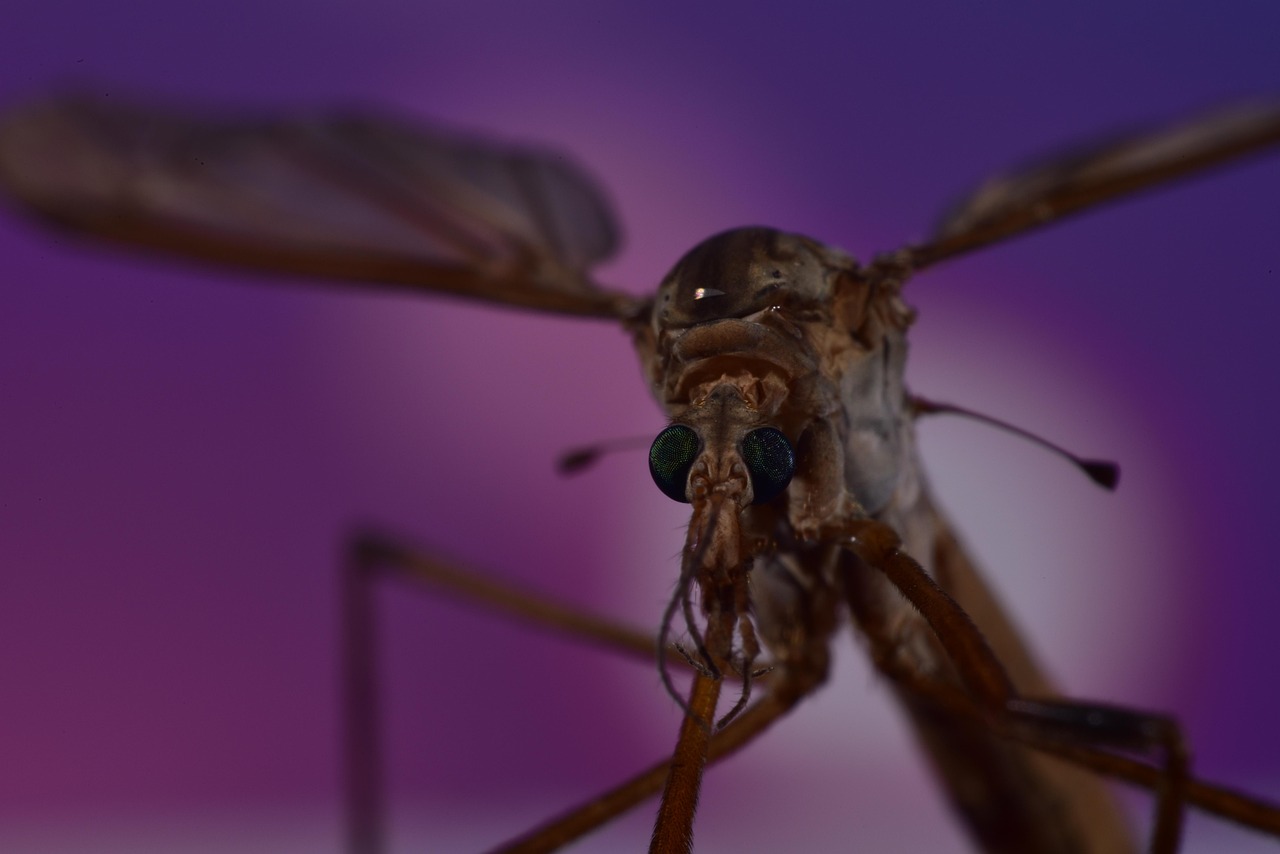
Northern Virginia homeowners are finding that effective mosquito control doesn't require flooding their backyards with chemical sprays. The News Minute reports that Indian scientists are experimenting with AI-powered smart mosquito programs - but NOVA locals don't have to look that far for their own solutions. Advanced biological systems now deliver superior protection while preserving the delicate balance of beneficial insects and wildlife that make outdoor spaces worth enjoying.
The Environmental Protection Agency has approved cutting-edge biological mosquito control technologies that represent a significant departure from traditional chemical approaches. These systems use nature's own mechanisms to create sustainable, long-lasting mosquito population reduction without the environmental drawbacks of synthetic pesticides.
Modern biological control platforms integrate sophisticated monitoring capabilities with targeted delivery systems. Unlike broad-spectrum chemical treatments that require frequent reapplication, biological systems establish ongoing control cycles that adapt to local mosquito breeding patterns and seasonal population fluctuations.
The technology mirrors trends seen across pest management industries, where precision application and environmental stewardship drive innovation. Professional pest control services in Sterling and throughout NOVA are adopting these advanced systems to meet growing demand for family-safe mosquito management.
The In2Care system represents a breakthrough in mosquito control through its unique three-step auto-dissemination process. This EPA-approved technology turns mosquitoes into delivery agents for population control measures, reaching breeding sites that traditional spraying methods can't access.
Stations positioned throughout treatment areas attract egg-laying female mosquitoes through carefully designed visual and olfactory cues. The stations mimic ideal breeding sites, drawing in Aedes and Culex species—the primary vectors for West Nile Virus, Zika, dengue, and chikungunya in the Washington DC region.
Each station contains specially treated water that appears ideal for mosquito reproduction. Female mosquitoes enter seeking egg-laying sites, unknowingly beginning the auto-dissemination process that will impact mosquito populations across a much wider area than the station's immediate vicinity.
When mosquitoes contact surfaces inside the station, they pick up two EPA-approved biological agents. The first is a larvicide based on pyriproxyfen, which mimics juvenile hormones and prevents larvae from developing into adult mosquitoes. The second is Beauveria bassiana, a naturally occurring fungus that targets adult mosquitoes.
These biological agents adhere to the mosquito's body and legs without immediately killing the insect. This delayed action is important. It allows the mosquito to continue its normal behavior patterns, visiting multiple breeding sites and spreading the control agents before succumbing to the fungal infection.
In effect, the treated mosquito turns into a mobile delivery system, carrying WHO-recommended larvicide to cryptic breeding sites throughout its territory. Tree holes, storm drains, containers, and other hard-to-reach areas receive treatment through this natural distribution network.
Scientific studies demonstrate that a single In2Care station can influence mosquito populations across areas significantly larger than conventional treatment zones. Research in Victoria, Australia, documented substantial reductions in Aedes notoscriptus egg numbers throughout treatment sites, showing the system's effectiveness in real-world conditions.
Environmental safety represents the primary advantage driving the adoption of biological mosquito control systems throughout Northern Virginia. Families with children, pets, and concerns about chemical exposure find these systems address their mosquito problems without compromising health or environmental quality.
The biological agents used in eco-friendly mosquito control derive from naturally occurring organisms rather than synthetic compounds. Pyriproxyfen, while synthetic, mimics hormones already present in insect biology.
Beauveria bassiana exists naturally in soils worldwide and is generally considered safe for humans, pets, birds, and beneficial insects. While rare cases of infection in immunocompromised individuals have been reported, the fungus specifically targets mosquito physiology - leaving bees, butterflies, and other pollinators largely unaffected. Children, too, can safely play in treated areas immediately after application.
Traditional chemical sprays, meanwhile, often contain synthetic pyrethroids that can cause respiratory irritation, skin sensitivity, and allergic reactions in sensitive individuals. The enclosed delivery system of biological stations eliminates direct human contact with active ingredients while maintaining effectiveness.
Biological mosquito control systems demonstrate remarkable specificity in their target range. The stations attract only container-breeding mosquito species, leaving beneficial insects completely undisturbed. Bees, butterflies, dragonflies, and other important pollinator species can continue their normal activities without interference.
Wildlife protection even includes birds, fish, and mammals that might encounter treatment areas. The contained nature of biological stations prevents the widespread environmental distribution of control agents, unlike broadcast spraying that affects entire ecosystems. Koi ponds, bird baths, and natural water features will stay safe for wildlife use.
This selective approach is particularly valuable in NOVA's suburban environments, where homeowners work to maintain diverse, healthy landscapes that support local ecology while controlling problematic pest species.
Disease prevention drives much of the urgency around effective mosquito control in the Washington DC metropolitan area. Local health departments maintain active surveillance programs to monitor mosquito-borne disease threats, with West Nile Virus representing the most significant ongoing concern for NOVA residents.
The DC Department of Health conducts detailed mosquito surveillance throughout the warm months, testing trapped specimens for West Nile Virus and other pathogens. Their annual detection campaigns consistently identify positive mosquito pools across the region, confirming the ongoing presence of infected mosquito populations.
Surveillance data shows West Nile Virus as the most frequently reported mosquito-borne illness in the DC area. Symptoms range from mild fever and headache to severe neurological complications in vulnerable populations, making prevention through effective mosquito control a public health priority.
Health officials stress that community-wide mosquito control efforts significantly reduce disease transmission risk. Individual property treatments contribute to broader population protection by reducing local mosquito breeding success and adult mosquito survival rates.
Conventional mosquito control approaches face mounting challenges that limit their effectiveness while creating unintended environmental consequences.
Chemical spraying primarily targets adult mosquitoes during limited activity periods, missing the extensive breeding populations that continue producing new mosquitoes. Storm drains, tree holes, containers, and other cryptic breeding sites are largely untreated by traditional spray applications.
Adult mosquitoes spend most daylight hours in protected areas - under deck furniture, in dense vegetation, or within structural voids. Evening treatments can contact some active adults but provide no residual control over emerging populations.
Breeding site limitations mean chemical treatments require frequent reapplication to maintain effectiveness. Property owners often schedule weekly or bi-weekly treatments throughout mosquito season, increasing cost and environmental exposure without addressing the root population sources.
Unfortunately, broadcast chemical applications impact far more than targeted mosquito species. Beneficial insects, including bees, butterflies, predatory insects, and aquatic invertebrates, suffer significantly from the pyrethroid and organophosphate treatments commonly used in mosquito control.
Bird populations face both direct toxicity risks and reduced food availability as insect populations decline. Aquatic ecosystems experience disruption when chemical runoff reaches ponds, streams, and wetlands, affecting fish, amphibians, and aquatic insects that form the base of local food webs.
Pollinators face particular vulnerability to chemical mosquito control. Timing of applications can coincide with bee foraging periods, and residual chemicals on flowers can poison pollinators for days after treatment. This impact compounds broader pollinator decline concerns - affecting both agriculture and natural ecosystems.
The World Health Organization has documented increasing pyrethroid resistance among Aedes mosquito populations worldwide. These invasive species, capable of spreading Zika, dengue, chikungunya, and yellow fever viruses, show reduced susceptibility to commonly used insecticides throughout their expanding range.
Resistance development occurs through repeated exposure to the same chemical classes over multiple generations. Mosquitoes that survive chemical treatments pass resistance genes to their offspring, gradually reducing treatment effectiveness across entire populations.
The resistance problem creates a cycle of increasing chemical use as pest management professionals attempt to maintain control with products that provide diminishing returns. This escalation increases environmental impact while failing to achieve satisfactory long-term mosquito reduction.
Peer-reviewed research provides substantial evidence supporting the effectiveness of biological mosquito control systems. Field trials conducted across multiple continents demonstrate consistent population reduction results that match or exceed traditional chemical approaches while providing superior environmental safety profiles.
University studies examining auto-dissemination technology show remarkable coverage efficiency—single stations influence mosquito populations across areas requiring dozens of traditional treatment points. The aforementioned Melbourne study documenting Aedes notoscriptus control demonstrated measurable population impacts going well beyond station placement locations.
Comparative effectiveness studies reveal that biological systems maintain consistent control throughout mosquito season without the population rebounds commonly seen with chemical treatments. The sustained release of biological agents provides ongoing pressure against developing larvae, preventing the boom-bust cycles that characterize chemical spray programs.
Environmental monitoring data confirms minimal non-target impact from biological control systems. Beneficial insect populations remain stable in areas treated with In2Care stations, contrasting sharply with documented declines following chemical spray programs. This selectivity allows ecosystem function to continue while controlling problematic mosquito species.
The convergence of proven effectiveness, environmental safety, and family health protection positions biological mosquito control as the preferred solution for NOVA homeowners seeking effective pest management. Early adoption of these technologies can provide immediate benefits while contributing to broader community health and environmental protection.
Investment in biological mosquito control systems provides long-term value through reduced chemical exposure, lower environmental impact, and sustained effectiveness that doesn't diminish over time. Station hardware requires regular maintenance and replenishment of biological agents to maintain ongoing effectiveness, but the system creates cost-effective mosquito management when properly maintained.
Community-wide adoption of eco-friendly mosquito control could significantly reduce regional disease transmission risk while preserving the beneficial insects and wildlife that make Northern Virginia's outdoor spaces so appealing. The technology is out there —implementation simply depends on homeowner education and professional pest control service adoption.


