Perched 11,150 feet above sea level, Cusco’s thin mountain air creates sunset displays unlike anywhere on Earth—but knowing exactly when and where to position yourself makes the difference between good photos and breathtaking ones.
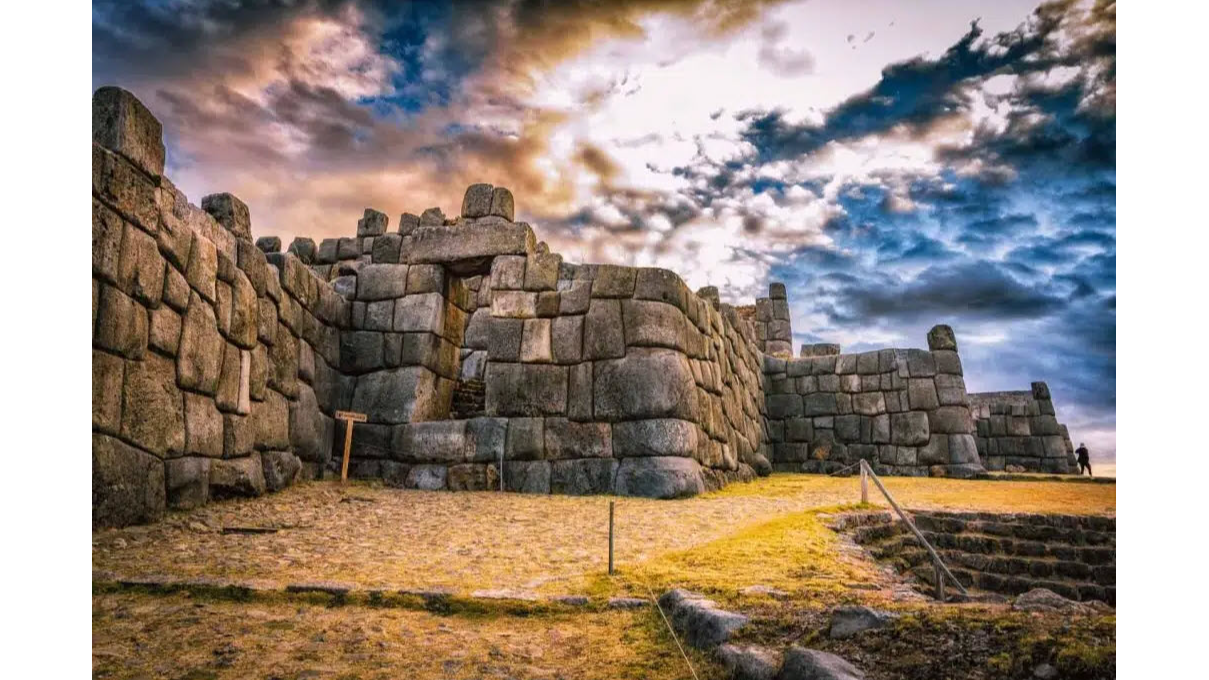
The ancient Inca capital transforms into a breathtaking canvas of colors as the sun descends behind the Andean peaks. Cusco's unique position high in the mountains creates sunset experiences unlike anywhere else on Earth, where centuries-old stone architecture provides the perfect foreground for nature's daily masterpiece.
Perched at an elevation of approximately 3,400 meters (11,150 feet) above sea level, Cusco offers sunset views that photographers and travelers dream about. The thin mountain air acts like a natural filter, intensifying the sun's rays and creating vibrant displays of orange, pink, and purple that stretch across the sky. These high-altitude conditions produce crystal-clear visibility that allows the colors to appear more saturated and dramatic than sunsets at lower elevations.
The city's colonial and Inca architecture adds layers of visual interest that make each sunset unique. Ancient stone walls built by master craftsmen centuries ago catch and reflect the golden light, creating a stunning interplay between human artistry and natural beauty. The red-tiled roofs of Spanish colonial buildings glow warmly in the evening light, while massive Inca stones seem to absorb and radiate the sunset's energy.
Weather patterns in the Andes contribute to Cusco's exceptional sunset displays. The dry season typically occurs from May to September, though some sources indicate it can extend from April to October, offering the clearest skies. The shoulder seasons can provide dramatic cloud formations that catch and scatter the light in spectacular ways. Tours that take advantage of these optimal conditions time visits to key viewpoints for maximum visual impact.
The massive fortress of Sacsayhuamán stands as one of Cusco's most impressive archaeological sites and premier sunset viewing locations. Located approximately 3,700 meters above sea level, these enormous stone walls, some weighing over 100 tons, create a dramatic foreground for sunset photography. The elevated position provides sweeping panoramic views across the entire city and surrounding valleys.
Visitors can walk through the zigzag walls and ceremonial areas while waiting for the perfect light. The fortress's strategic location offers multiple vantage points, allowing photographers to capture different compositions as the light changes. The contrast between the ancient Inca engineering and the modern city below creates compelling visual narratives.
The white Christ statue overlooking Cusco has become synonymous with the city's sunset experience. This 8-meter tall statue, a gift from the Arab-Palestinian community in 1945, is perched on a hill near the historic center and offers a privileged view of the entire city and its mountainous surroundings. The statue itself becomes silhouetted against the colorful sky, creating dramatic photographic opportunities.
The viewpoint's accessibility makes it popular among both locals and tourists. A short uphill walk from the San Blas neighborhood leads to this elevated perch, where visitors can watch the city lights begin to twinkle as darkness approaches. The romantic atmosphere intensifies as couples and families gather to witness the daily spectacle.
The Mirador de San Cristóbal provides an elevated perspective that's easily accessible for sunset viewing, located just a short walk from the Plaza de Armas. This viewpoint offers excellent sight lines across Cusco's red-tiled rooftops and historic plazas. The location strikes an ideal balance between accessibility and spectacular views, making it perfect for travelers who want impressive sunset photography without challenging hikes.
The golden hour light bathes the viewpoint in warm, soft illumination that's perfect for photography. Visitors can arrive early to secure the best positions and watch as the light gradually transforms the cityscape below. The viewpoint's orientation captures both the sunset colors and the city's evening transition.
The artistic San Blas district offers intimate sunset experiences with its bohemian atmosphere and narrow cobblestone streets. The Plazoleta de San Blas and nearby viewpoints provide more secluded sunset viewing opportunities away from the larger crowds. Local artisans often display their work in the fading light, adding cultural richness to the experience.
Trendy establishments like Limbus Resto Bar feature balconies with epic city views, combining sunset viewing with local cuisine and cocktails. The neighborhood's authentic character provides context for understanding Cusco's living culture alongside its historical significance.
Sunset in Cusco typically occurs between 5:30 PM and 6:30 PM throughout the year, with variations depending on the season. The city's proximity to the equator means sunset times remain relatively consistent compared to locations at higher latitudes. During the dry season months, clearer skies provide optimal viewing conditions.
The golden hour begins approximately 30 minutes before sunset, when the light becomes warm and soft. This period offers the best conditions for photography and sightseeing. The blue hour following sunset provides different photographic opportunities as city lights begin to illuminate and create contrast with the darkening sky.
Altitude awareness becomes crucial when planning sunset viewing in Cusco. The city's elevation can affect visitors, causing symptoms such as headaches, nausea, and fatigue. It's advisable to acclimate for a few days before hiking to high viewpoints and to consult a doctor before traveling, especially for individuals with pre-existing health conditions. Staying hydrated and taking the ascent slowly helps prevent altitude-related discomfort during sunset excursions.
Weather patterns change rapidly in the mountains, so bringing layers ensures comfort as temperatures drop after sunset. The dry season offers more predictable conditions, while the rainy season can produce dramatic cloud formations that create unique sunset displays when the weather cooperates.
Mountain photography requires specific camera settings to capture the dynamic range of sunset light. Using a lower ISO setting (100-400) helps reduce noise while maintaining image quality. A sturdy tripod becomes necessary as light levels drop, allowing for sharp images during longer exposures.
Bracketing exposures helps capture both highlight and shadow detail in high-contrast sunset scenes. The intense mountain light can create challenging exposure situations, so taking multiple shots at different settings ensures the best possible results. Manual focus often works better than autofocus in low-light conditions.
Cusco's architecture provides excellent foreground elements for sunset photography. Incorporating ancient walls, colonial buildings, or traditional rooftlines creates depth and context in images. Leading lines from streets and walkways can guide the viewer's eye toward the sunset colors in the background.
Framing the sunset through archways or doorways adds visual interest and creates intimate compositions. The interplay between artificial lighting from buildings and natural sunset colors produces compelling contrasts that capture the city's dual nature as both ancient and living.
Many Cusco tours combine cultural visits with breathtaking sunset vistas, allowing visitors to learn about the city's rich history while experiencing nature's daily spectacle. These experiences typically begin in the afternoon with visits to historical sites, building toward the sunset finale at carefully chosen viewpoints.
Professional guides improve the experience by explaining the historical significance of each location while positioning groups for optimal sunset viewing. The combination of cultural education and natural beauty creates memorable experiences that satisfy both intellectual curiosity and aesthetic appreciation. Tours often include transportation between sites, making it easy to experience multiple locations in a single afternoon.
The timing of these cultural sunset tours allows for visits to sites like Qorikancha, the Cathedral, and various archaeological sites before concluding at elevated viewpoints. This progression creates a narrative arc that connects Cusco's past with its present beauty, providing context that improves the sunset viewing experience.
Planning a sunset experience in Cusco requires consideration of timing, weather, and altitude factors that can affect enjoyment. Professional tour operators provide valuable local knowledge about the best viewpoints, optimal timing, and safety considerations for high-altitude excursions. Their expertise ensures visitors capture the most spectacular views while staying safe and comfortable.
Advanced booking becomes especially important during peak tourist seasons when popular viewpoints can become crowded. Tour companies often have access to exclusive locations or can time visits to avoid the largest crowds. The investment in a guided experience pays dividends in terms of photography opportunities, safety, and cultural understanding.
Sunset viewing represents just one aspect of Cusco's incredible offerings, but it serves as a perfect introduction to the city's natural beauty and cultural richness. The daily spectacle of colors painting the sky above ancient stones creates lasting memories that capture the essence of this remarkable destination.
Experience Cusco's breathtaking sunset views and rich cultural heritage with Inca Rail, your trusted partner for authentic Andean adventures and train journeys to Machu Picchu.


